 EN

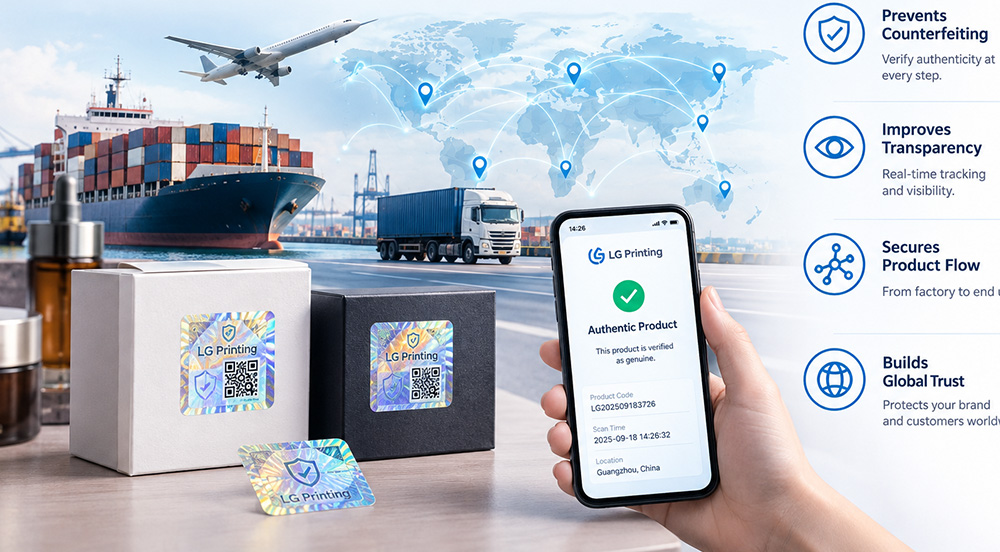
In an era defined by hyper-extended international supply networks, borderless trade agreements, and frictionless cross-border commerce, safeguarding product integrity from factory floor to end consumer has become one of the most critical operational challenges facing modern multinational business enterprises operating today. Across global manufacturing operations spanning consumer electronics, pharmaceuticals, apparel, and luxury goods, supply chain leaders continually witness how sophisticated counterfeiting rings systematically exploit vulnerabilities in international distribution channels. According to prominent international trade and customs organizations, global trade in counterfeit and pirated merchandise accounts for a substantial percentage of worldwide economic commerce, stripping legitimate enterprises of billions in annual revenue while introducing severe safety hazards, health risks, and environmental degradation. When illicit imitations seamlessly infiltrate legitimate distribution channels, the fallout damages brand equity, triggers costly product recalls, and erodes consumer trust beyond repair. Consequently, deploying an advanced, multi-layered anti counterfeit solution has transitioned from an optional IT upgrade into an absolute cornerstone for modern enterprise risk mitigation, compliance enforcement, and resilient operational planning.
Unmasking Structural Vulnerabilities in Tiered Logistics Networks
Modern global supply chains resemble intricate ecosystems comprising sprawling tiers of component suppliers, original design manufacturers, third-party logistics providers, and international freight forwarders. Each handoff, storage node, and transit juncture represents a potential entry point for counterfeit injection, grey-market diversion, or inventory tampering. Industry audits and operational assessments repeatedly reveal that fragmented data silos, opaque tracking mechanisms, and reliance on legacy paper documentation are the primary root causes of systemic supply chain vulnerability. When supply networks depend solely on static barcodes or basic shipping manifests that can be easily duplicated or altered, bad actors can effortlessly substitute substandard components mid-transit. A comprehensive anti-counterfeit solution completely eliminates these blind spots by establishing an immutable, end-to-end chain of custody that tracks item-level provenance across international borders, ensuring absolute transparency at every stage of the distribution journey. Furthermore, integrating real-time visibility tools allows enterprise risk managers to detect anomalies instantly, quarantining suspicious shipments before they breach domestic or international borders and trigger severe regulatory penalties.
The Technological Architecture of Next-Generation Protection
To consistently outpace increasingly resourceful and technologically adept counterfeiters, an enterprise-grade anti-counterfeit solution must leverage a robust, synergistic blend of physical security features and digital verification frameworks. Global cybersecurity authorities and supply chain standards organizations strongly advocate for hybrid architectures that integrate overt, covert, and digital authentication layers. Overt elements—such as holograms with kinetic optical effects, color-shifting inks, and specialized security threads—empower both customs officials and everyday consumers to perform instantaneous visual authentication without requiring specialized tools. Simultaneously, covert indicators like microscopic chemical taggants, forensic markers, and cryptographic serialized QR codes secure the digital backend database against unauthorized tampering. Crucially, state-of-the-art implementations integrate blockchain-backed serialization and decentralized ledger technologies. This approach assigns a cryptographically secure, unalterable digital twin to every physical item produced, making unauthorized data duplication and clone manufacturing economically and technically impossible for fraudsters across the entire value chain.
Proactive Risk Management and Consumer Engagement
Beyond technical barriers and forensic verification, modern protection frameworks emphasize empowering the end consumer and retail partners through direct digital interaction. When buyers can instantly verify authenticity using standard mobile devices at retail touchpoints, the entire market dynamic shifts away from counterfeiters. This participatory authentication model establishes a direct communication channel between brands and global consumers, generating invaluable insights regarding regional purchasing trends and product movement velocity. Furthermore, robust data analytics derived from serialized packaging help corporate security teams identify suspicious geographic clusters where counterfeit activity is most prevalent. By transforming passive product packaging into an active, intelligent communication medium, organizations create a hostile environment for illicit manufacturers while simultaneously strengthening customer loyalty and driving long-term enterprise value across all international markets.
Navigating Global Regulatory Compliance and Trade Standards
As international trade regulations tighten across major economic zones, maintaining strict compliance has become an arduous hurdle for global brand owners. Regulatory bodies worldwide now enforce stringent traceability mandates, requiring manufacturers to prove unquestionable authenticity and chain-of-custody documentation across every single jurisdiction in which they operate. Failing to meet these rigorous statutory thresholds can result in severe financial penalties, port detentions, and catastrophic reputational damage. Implementing an advanced anti-counterfeit framework ensures seamless alignment with evolving international standards, offering verifiable proof of origin and compliance. This regulatory readiness not only protects enterprises from costly legal liabilities but also accelerates customs clearance procedures, minimizing transit delays and ensuring smooth, uninterrupted market access for legitimate goods. Furthermore, transparent traceability builds enduring trust with government regulators and industry auditors alike.
Achieving Seamless Integration Through Strategic Manufacturing Partnerships
Deploying an elite, highly effective anti-counterfeit strategy requires far more than adopting generic software platforms or applying superficial stickers during post-production; it demands a seamless, precision-engineered approach embedded directly into the physical manufacturing and packaging lifecycle. This is precisely where collaborating with an industry pioneer like LG Printing provides an unmatched strategic advantage for global brands seeking uncompromising security. With decades of specialized expertise in precision printing, advanced variable data technologies, and customized secure packaging engineering, LG Printing seamlessly embeds robust anti-counterfeit solutions directly into packaging materials without disrupting high-speed production lines. Whether an enterprise requires cutting-edge tamper-evident seals, specialized covert taggants, or dynamic cloud-linked digital serialization, the world-class manufacturing capabilities and deep supply chain proficiency of LG Printing guarantee that brand identity, product integrity, and distribution networks remain completely safeguarded from origin to final destination, ensuring sustainable growth, operational excellence, and competitive dominance in the global marketplace.
Table of Contents
- Unmasking Structural Vulnerabilities in Tiered Logistics Networks
- The Technological Architecture of Next-Generation Protection
- Proactive Risk Management and Consumer Engagement
- Navigating Global Regulatory Compliance and Trade Standards
- Achieving Seamless Integration Through Strategic Manufacturing Partnerships