 EN
Tackling Global Supply Chain Vulnerabilities
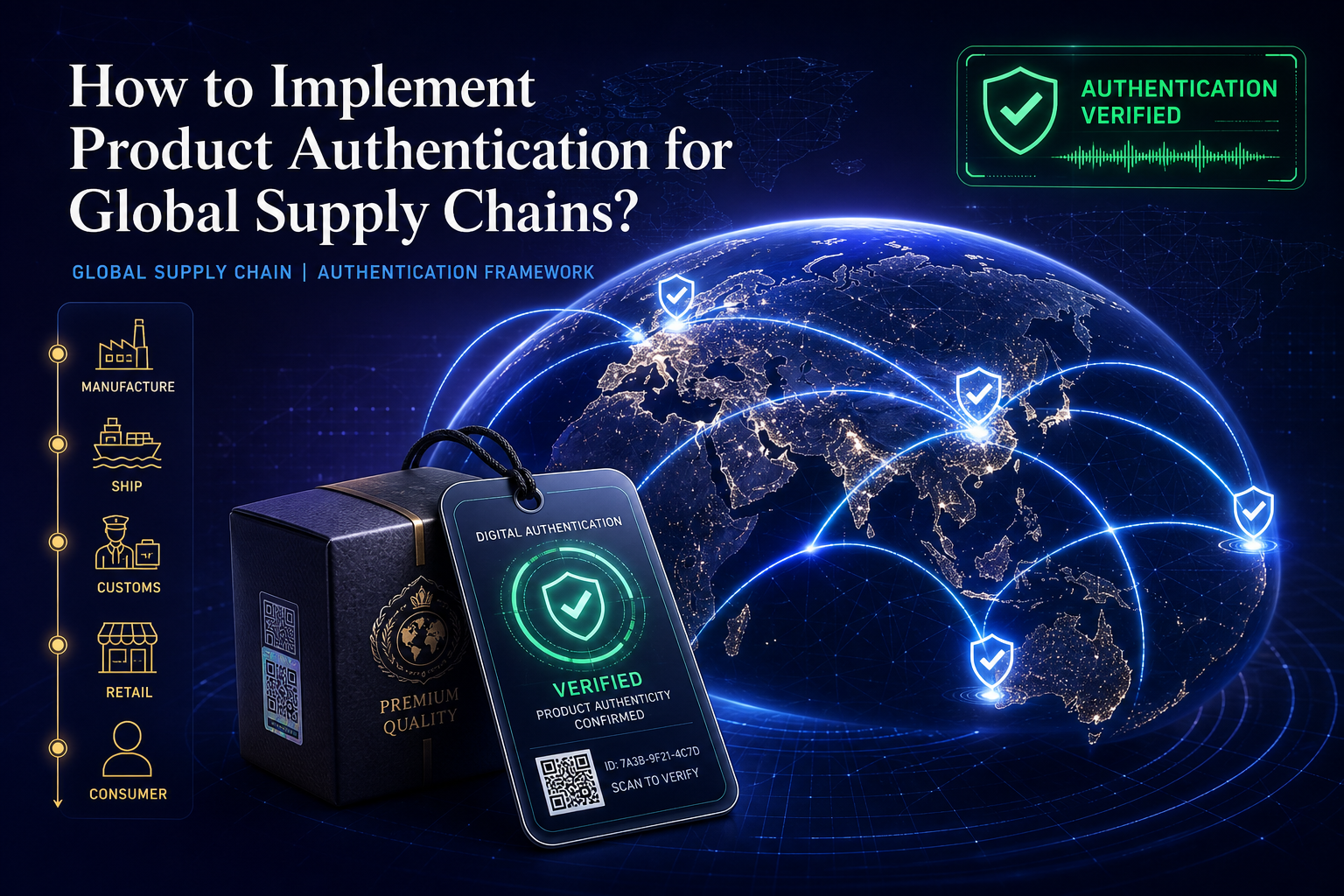
Operating in today's fast-paced international marketplace means dealing with massive, interconnected distribution networks. While this global scale helps brands reach new heights, it also opens the door to serious risks, most notably the influx of counterfeit goods. Fake products are no longer confined to luxury items or high-end gadgets; they now plague essential sectors like pharmaceuticals, automotive components, and everyday consumer packaged goods. The financial blow to the global economy is massive, but the damage to consumer safety and long-term brand reputation is even harder to measure. Experts point out that fragmented logistics routes create blind spots where illicit goods can easily slip into legitimate channels. For brand owners aiming to stay ahead, relying on basic packaging is no longer enough. Setting up a reliable product authentication strategy acts as a critical shield, protecting corporate revenue and preserving hard-earned customer trust across borders.
Moving Beyond Basic Packaging with Advanced Optics
Years ago, companies could get away with simple barcodes, basic QR codes, or standard holographic seals to keep counterfeiters at bay. Fast forward to today, and crafty counterfeiters have caught up, easily duplicating these static, low-tier identifiers using modern digital tools. Modern anti-counterfeiting demands a sophisticated blend of material science and precision printing techniques. Drawing from years of hands-on manufacturing expertise, industry leaders are turning to micro-optic nano structures, dynamic security holograms, and specialized optical patterns that are practically impossible to reverse-engineer. These advanced physical layers mean that whether a shipment is checked at a crowded retail depot or a remote border checkpoint, inspectors can instantly verify its authenticity through unique visual traits. Raising this technical barrier keeps shady operators guessing and ensures physical goods remain genuinely secure from factory floor to shelf.
Building a Connected Track and Trace Ecosystem
Physical security features are vital, but they cannot fix every blind spot hidden deep within complex multi-national supply chains. To create airtight security, physical authentication must be paired with an intelligent digital backend. A truly effective product authentication framework relies on pairing unique serialized labeling with smart Track & Trace systems. In daily operations, this means every individual product, master carton, or shipping pallet gets assigned a unique, encrypted digital ID tied securely to cloud databases. Logistics teams can then monitor the complete journey of an item in real time, tracking it seamlessly from the manufacturing plant straight to its final destination. Utilizing secure anti-counterfeit labels embedded with specialized data codes or RFID tags gives enterprises crystal-clear, end-to-end visibility. Any unauthorized inventory injections or suspicious grey-market detours get flagged immediately, letting teams intercept fakes long before they reach unsuspecting buyers.
Empowering Consumers with Instant Verification Tools
True market resilience relies heavily on transparency. Modern supply chains need to put authentication directly into the hands of everyday consumers and front-line distribution partners. By utilizing intuitive smartphone scanning or web-based verification portals, buyers can check a product's validity in seconds. This approach turns everyday customers into active partners in brand protection while building immediate, unshakeable confidence. When a user scans an anti-counterfeit label, the verification system not only confirms the item's authenticity but also feeds valuable scan data back to headquarters. Analytics teams can spot unusual activity—such as bulk scans happening repeatedly in unexpected regions—allowing brands to crack down on unauthorized regional distributors or local copycat rings before problems snowball.
Driving Long-Term Value and Brand Resilience
Investing in a multi-layered product authentication framework brings massive commercial value that goes far beyond simple loss prevention. From a return-on-investment perspective, securing the supply chain directly guards core revenue streams against the threat of cheap knockoffs. Furthermore, it ensures smooth sailing when meeting strict international trade regulations and safety standards. Brands that proactively upgrade their security measures naturally see a boost in consumer loyalty, as buyers naturally gravitate toward names they know they can trust. However, bringing these sophisticated, multi-layered strategies to life requires a manufacturing partner possessing deep technical mastery in both security printing and scalable supply chain integration.
Partnering with LG Printing for Ultimate Security
Fortifying global operations against modern supply chain threats calls for a specialized manufacturing ally equipped with proven industry insight. Backed by extensive manufacturing experience, advanced research and development capabilities, and fully modernized production facilities, LG Printing delivers comprehensive, end-to-end anti-counterfeiting ecosystems. The company specializes in producing high-security hologram stickers, advanced micro-optical nano labels, and fully integrated track-and-trace solutions tailored to diverse industry needs. These custom-engineered options integrate smoothly into existing packaging lines while meeting the toughest verification demands. By leveraging the advanced manufacturing power and robust supply chain services offered by LG Printing, businesses can deploy scalable, future-ready product authentication strategies, keeping their brands universally trusted, entirely authentic, and resilient worldwide.