 EN
EN
What Is QR Code Tracking for Products?
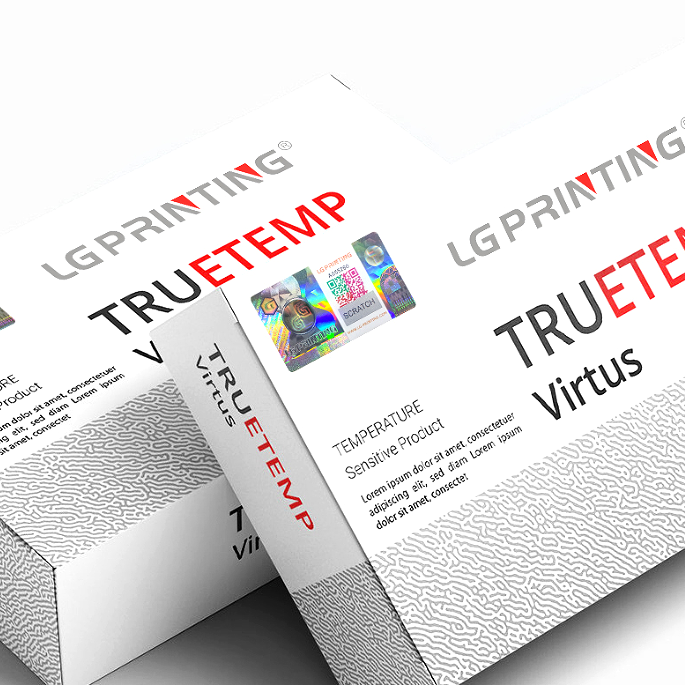
Products with QR code tracking have those special digital markers printed right onto them as matrix barcodes that anyone can scan. Just point a phone camera at one of these codes and boom, instant info pops up showing where the item came from all the way through production, shipping, and finally hitting store shelves. What makes this so cool is how it turns plain old boxes into something customers actually want to interact with. Brands love it because they can check if their stuff is genuine, stop fake versions from circulating, and tell consumers straight up about their green initiatives or fair trade policies without hiding anything behind vague corporate speak.
Businesses across sectors like electronics, high-end products, and fast-moving consumer goods are turning to this tech to satisfy growing customer interest in knowing where things come from. Take a simple chocolate bar for instance its QR code can actually show exactly which cocoa farm produced it. Meanwhile, companies making gadgets often scan products to check warranty information. What's interesting is that every time someone scans a code, it collects useful info about who scanned what, when they did it, and even what kind of device they used. This data helps marketers make better choices and keeps inventory levels just right. Fake products cost businesses around $740,000 each year according to research from Ponemon Institute back in 2023. So by using QR codes for tracking, companies get something that cant be copied easily, protecting their bottom line while keeping customers confident in their brands.
How to Implement QR Code Tracking on Product Packaging and In-Store Touchpoints
Embedding Dynamic, Context-Aware QR Codes with Real-Time Updates
Dynamic QR codes let marketers update destination content remotely—without reprinting packaging—a vital advantage for time-sensitive campaigns. Unlike static codes, they adapt in real time based on user location, device type, or scan time, increasing relevance by 40% (Packaging Engagement Benchmark Report). To implement effectively:
- Use cloud-based QR generators that support URL redirection and UTM parameter integration
- Connect to your CMS for seamless, instant content updates across all product SKUs
- Assign unique identifiers per unit or batch to enable granular interaction tracking
Pair with real-time analytics dashboards that monitor scan volume, geographic hotspots, and peak engagement windows. This infrastructure allows rapid iteration—such as updating allergen information for perishable goods—where 68% of consumers now expect real-time transparency.
Best Practices for Placement, Design, and Call-to-Action Optimization
Scan success hinges on visibility, usability, and intent. Prioritize these evidence-backed fundamentals:
- Placement: Position codes on flat, unobstructed surfaces—minimum 1×1 inch—with at least 4-module quiet zones. Place near decision points (e.g., shelf tags, checkout counters) at eye level (1.2–1.6 meters from floor)
- Design: Maintain ¥30% contrast between modules and background; limit logo embedding to <15% of the code area to preserve scannability
- CTAs: Use action-oriented microcopy like “Scan to Unlock Your Discount” placed directly beside the code—this approach lifts engagement by 3.2× (Retail Touchpoints, 2023)
A/B test placements across at least 10 packaging variants before scaling. Prioritize performance under low-light conditions and on curved surfaces. Note: Mobile app deep links—bypassing homepage redirects—drive 50% higher conversion than standard web links.
How QR Code Tracking Drives Offline-to-Online Conversion and Campaign ROI
Tracking User Journeys with UTMs, Deep Links, and Session-Persistent Data
QR codes bridge offline engagement and digital outcomes through three integrated tracking layers:
-
UTM parameters append campaign-specific metadata (e.g.,
?utm_source=product_packaging&utm_medium=qr) to destination URLs, enabling precise attribution in Google Analytics and other platforms - Deep links route users directly to relevant in-app or mobile-optimized content—such as a recipe page from a food package—reducing bounce rates and friction
- Session-persistent data retains initial scan context using first-party cookies or local storage, allowing later conversions (e.g., a purchase completed hours after scanning) to be accurately attributed to the original offline interaction
Avoid fragmented attribution by implementing single-scan authentication and unified event tagging—ensuring every touchpoint feeds into a cohesive customer journey map.
Measuring True Impact: Linking Scans to Conversions, Retention, and LTV
Meaningful ROI requires connecting QR engagement to business-critical outcomes across three pillars:
| Metric | Measurement Approach | Strategic Insight |
|---|---|---|
| Conversions | Goal tracking on landing pages, checkouts, and lead forms | Reveals immediate value: $25 average order value and 15% lead conversion rate from QR-acquired traffic |
| Retention | Email list growth via QR gateways + CRM sync | Demonstrates sustained engagement: scan-to-email campaigns yield 40% open rates for retargeting |
| LTV | Cohort analysis of QR-acquired customers | Quantifies long-term impact: QR users show 30% higher lifetime spend and 22% greater repeat purchase frequency |
Unified analytics is essential—e.g., a restaurant attributing $150K in direct revenue to QR-driven visits validates offline influence. Calculate ROI as (Incremental Revenue from Tracked Users – Campaign Costs) ÷ Campaign Costs. Retention insights further unlock upsell potential, revealing high-intent segments primed for loyalty offers or personalized recommendations.
FAQs: QR Code Tracking for Products
What is the main advantage of using dynamic QR codes over static ones?
Dynamic QR codes allow marketers to update destination content without reprinting, adapting in real time based on various factors such as location and device type, significantly enhancing relevance.
How can QR code tracking help prevent counterfeit products?
QR codes can verify product authenticity, allowing brands to ensure that only genuine items are in circulation, thereby safeguarding against counterfeits.
Why is the placement and design of QR codes important?
Proper placement and design are crucial for maximizing the scan success rate. Codes should be placed where easily accessible, and the design should be high contrast to ensure scannability.