 EN
EN
Match QR Code Sticker Material to Environmental Demands
Vinyl, Polyester, Clear Film, and Paper: Durability Trade-offs for Indoor, Outdoor, and High-Moisture Settings
Choosing the correct material for QR code stickers really comes down to matching what the material can handle with where it will actually be used. Vinyl works best outdoors because it stays waterproof, resists UV damage, and lasts about five years even when temperatures swing between super cold (-20 degrees Celsius) and pretty hot (around 80 degrees). When dealing with harsh chemicals or rough handling situations like tagging industrial machinery, polyester becomes the better choice despite costing roughly 30 percent more than regular materials. The price tag might sting a bit, but worth it for those tough conditions. Clear polypropylene film sticks well in places where there's lots of moisture around, like inside refrigerators or anywhere condensation builds up regularly. Paper stickers? They work fine indoors if kept dry and away from humidity, but once the air gets above 60% humidity level, both the printed info and the stickiness start breaking down pretty fast.
Material performance data aggregated from ISO 18902 accelerated aging tests and ISTA transit simulation standards.
Waterproof, UV-Resistant, and Temperature-Stable Options for Logistics, Retail, and Field Applications
The real strength comes not just from basic materials but from specially designed adhesives and protective layers too. Take those acrylic waterproof stickers for instance they stay fully scannable even after sitting underwater for almost three days straight. That makes all the difference when tracking products through beer warehouses or fruit harvest operations where moisture is constant companion. The UV resistant coatings we apply stop nearly all harmful sunlight from fading labels, so barcodes stay clear and readable in those bright store windows for well over three years. Our temperature stable formulas handle extreme conditions too jumping from freezing warehouse temps down at -40 degrees Celsius right up to blistering heat around 120 Celsius without any issues like cracks forming or codes getting distorted something absolutely necessary for keeping track of medicine shipments properly. Outdoors workers love our polyester backed stickers with their tough permanent glue because these stickers survive countless cleanings, dirt buildup, and wear and tear from daily contact with equipment, trucks, and factory machines throughout their service life.
Ensure Reliable Scannability with Optimal QR Code Sticker Sizing and Placement
Minimum Size Guidelines by Use Case (e.g., 6" for shelf tags, 1.5" for small product labels)
The ability to scan something reliably depends on several factors including how big it is compared to where someone stands, what shape the surface is, and how much light there is around. For shelf tags, we generally need codes that are at least six inches across if they're going to be read from three to five feet away. Smaller product labels work well enough as long as they measure about 1.5 inches or more when someone gets right next to them. When codes drop below half an inch square, most mobile phone cameras just can't pick out each tiny part of the code anymore, especially when the lighting isn't great or when things are moving while scanning. Bottles and other curved items create special problems too. These usually need codes roughly 20 percent bigger than those on flat packages because the curves warp how the code looks. Before making anything final for production, it's really important to check different sizes across various devices. Test everything on both cheap phones and expensive ones under normal store lighting conditions to see how they actually perform in real life situations.
| Use Case | Minimum Size | Key Considerations |
|---|---|---|
| Retail Shelf Tags | 6 inches | Distance scanning (3–5 ft) |
| Product Labels | 1.5 inches | Handheld proximity |
| Shipping Boxes | 3 inches | Variable warehouse lighting |
| Event Wristbands | 2 inches | Curved surfaces |
Quiet Zone, Contrast Ratio (4:1), and Error Correction Level — Critical Technical Foundations
There needs to be at least four times the module width of empty space around a QR code, no exceptions. This blank area keeps the code separate from other graphics, text elements, or borders that might trick the scanner into misreading it. When designing these codes, always aim for a contrast ratio of at least 4:1, think matte black on white surfaces. Avoid those shiny metallic finishes or colors that don't stand out clearly against each other since they can cause scanning problems up to nearly half the time. For places where people will handle items often or where there's physical wear and tear, like trade shows or warehouse equipment tags, go with error correction level H which handles about 30% damage pretty well. If working in damp conditions such as cold storage facilities, level Q works best here, giving around 25% damage tolerance while still keeping the data compact. And before finalizing anything, test how readable the code remains under different lighting situations it will actually encounter on site, whether that's LED lights, fluorescent tubes, or plain daylight coming through windows.
Select QR Code Sticker Type by Application Context and Brand Requirements
Use-Case Profiles: Beverage Bottles, Shipping Labels, Retail Windows, E-commerce Packaging, and Event Tickets
Getting good results in real situations begins with knowing what works where. For drinks containers, the material needs to keep water out while still letting barcodes scan properly even after being chilled down. That means using special vinyl coatings that handle condensation without failing. When it comes to shipping tags, they have to stick through rough handling on warehouse floors and factory conveyors. So manufacturers go for tough polyester materials combined with strong adhesives that work across temperature ranges. As for those display windows in stores, clear films are the way to go. These films stay see-through, leave no sticky mess behind when taken off, and work great for changing seasonal ads or promotional content throughout the year.
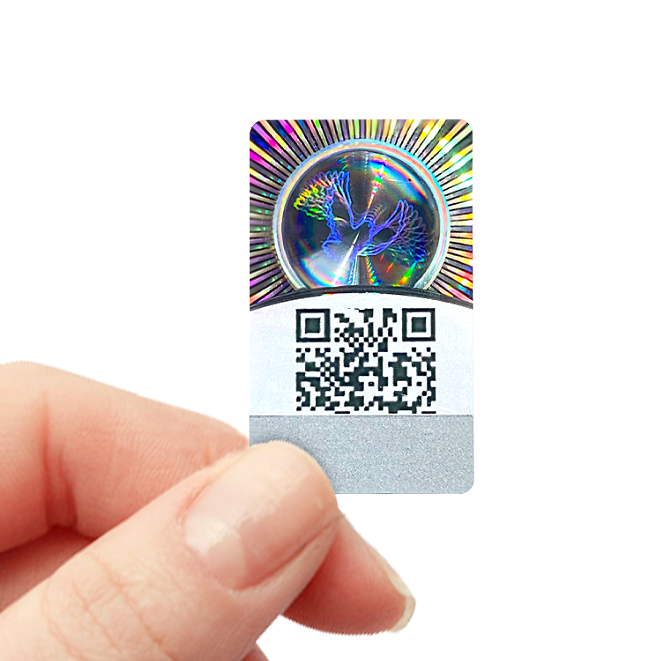
E-commerce packaging calls for compact yet robust designs: 1.5-inch codes with high-contrast printing perform best on crowded box surfaces where space is constrained. Event tickets need tamper-evident substrates with sequential numbering and micro-perforation or holographic features to deter duplication. Across all use cases, brand expression matters:
- Gloss finishes maximize color saturation and visual impact for premium positioning
- Matte textures support clean, minimalist aesthetics and reduce glare in bright interiors
- Custom die-cut shapes reinforce recognition and differentiate at point-of-sale
Prioritize error correction level H (30%) for any application involving frequent handling, public interaction, or environmental exposure—like trade shows, pop-up shops, or field-deployed assets.
Maximize Value with Budget-Smart QR Code Sticker Strategies for Small Businesses
QR code stickers offer small businesses an affordable way to connect physical spaces with online interactions. Studies suggest around three quarters of shoppers actually engage more when brands provide something interactive, so even basic sticker campaigns tend to show decent returns on investment. The key is knowing what purpose they serve. Put them on products to give customers instant access to loyalty points, special videos, or quick feedback forms after buying something. This transforms one-time transactions into ongoing customer connections. When it comes to tracking effectiveness, create different QR codes for various campaign areas like store displays versus product packaging. Send each code to its own specific landing page. Doing this makes it possible to see which codes get scanned most often, how long people stay on those pages, and whether there's any boost in actual sales conversions.
Stickers work best when placed where people actually look. Think about storefront windows, checkout counters, product tags, and those handouts at events. These spots turn ordinary surfaces into walking advertisements for your brand. Getting the right number matters too. A smaller run of around 500 stickers makes sense if we know exactly where they'll go and can track results afterward. Bulk buying just ends up wasting money most of the time. Material choice is important as well. For outside stuff, go with weather proof vinyl so rain doesn't ruin everything. Polyester works great indoors where things get handled a lot since it resists scratches better. The real magic happens when these stickers connect to actual business goals. Maybe aim for getting 20 percent more newsletter subscribers or collecting feedback from 100 attendees after an event. With clear objectives like this, QR code stickers become budget friendly marketing tools that build connections while keeping costs down and making sure the brand stays top of mind.
FAQs about QR Code Stickers
What is the best material for outdoor QR code stickers?
Vinyl is the best choice for outdoor QR code stickers due to its waterproof properties, UV resistance, and durability in varying temperatures.
How do I ensure a QR code is scannable?
To ensure scannability, maintain a clear quiet zone around the code, aim for a 4:1 contrast ratio, and consider the size based on usage.
What error correction level should I choose for high-wear areas?
Error correction level H (30%) is ideal for high-wear areas or situations involving frequent handling.
What considerations are needed for QR codes on curved surfaces?
QR codes on curved surfaces often need to be about 20% larger to accommodate the distortion from curvature.
Table of Contents
- Match QR Code Sticker Material to Environmental Demands
- Ensure Reliable Scannability with Optimal QR Code Sticker Sizing and Placement
- Select QR Code Sticker Type by Application Context and Brand Requirements
- Maximize Value with Budget-Smart QR Code Sticker Strategies for Small Businesses
- FAQs about QR Code Stickers