 EN
EN
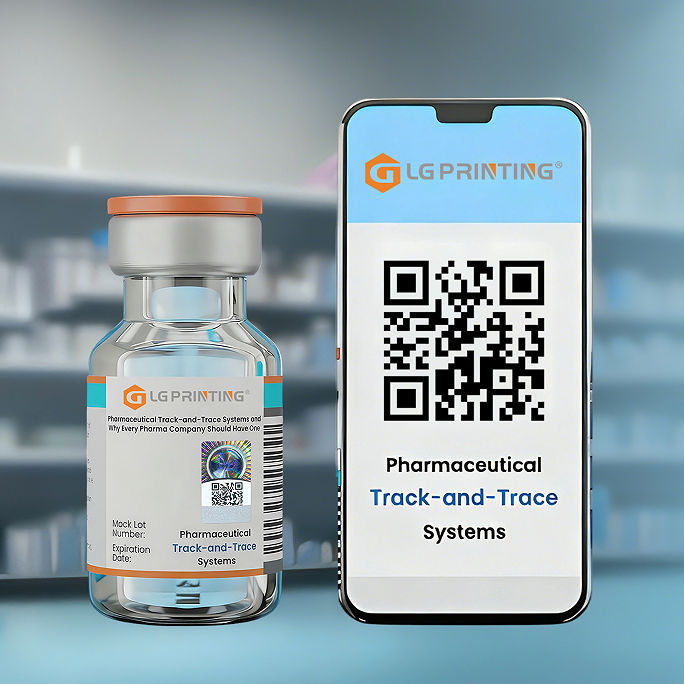
Clarify Business Objectives and Regulatory Requirements
Aligning track and trace system goals with KPIs (e.g., recall time reduction, OEE improvement) and compliance mandates (DSCSA, EU FMD, ISO 13485)
Setting up a track and trace system means matching what the business wants to achieve with actual metrics that matter and following all the necessary regulations. When products have unique identifiers at every level, companies often cut down on how long it takes to handle recalls by around two thirds. At the same time, capturing data automatically during production checks leads to real gains in how well equipment actually performs overall. The rules from DSCSA in the US, EU's FMD directive, plus ISO standards for medical gear aren't optional really. Each one has its own set of requirements about tracking items, checking authenticity, and submitting reports. Missing out on compliance isn't just bad practice either. Companies facing violations could end up paying over half a million dollars each time they slip up in industries where this matters most. Getting these compliance issues sorted from day one saves money later when trying to retrofit systems after the fact. Systems designed this way work better operationally and stand up to audits without extra hassle down the road.
Mapping forward, backward, and bidirectional traceability across the value chain to identify critical control points
Effective traceability mapping spans three dimensions across your supply network:
- Forward tracing tracks finished goods to customers
- Backward tracing follows materials to suppliers
- Bidirectional flows connect both directions
This holistic view reveals Critical Control Points (CCPs)–stages where failures cause maximum disruption, such as raw material intake or sterilization. Food manufacturers, for example, typically identify 3–5 CCPs per production line where contamination risks peak. Mapping should catalog:
| Traceability Type | Data Requirements | Common CCP Examples |
|---|---|---|
| Forward | Customer/shipping records | Distribution hubs |
| Backward | Material certificates | Supplier receiving docks |
| Bidirectional | Batch/lot associations | Quality checkpoints |
Prioritize CCPs requiring real-time monitoring–especially temperature-sensitive nodes in pharma logistics–where deviations can spoil entire batches. Strategic mapping strengthens compliance and minimizes waste without over-engineering.
Choose and Deploy Appropriate Track and Trace Technologies
Comparing durable identification methods: RFID vs. QR codes vs. barcodes for accuracy, cost, scalability, and environmental resilience
Picking the right ID tech really matters for any operation. RFID works great when scanning lots of items at once, handling about 100 tags per second even in tough conditions, though it does come with a bigger price tag ranging from around ten cents to fifty dollars per tag. QR codes can store way more information than regular barcodes, holding up to almost 8,000 characters compared to just 20 or so for standard barcodes. Plus they still work even if part gets damaged. Traditional barcodes are still king when money is tight, costing only half a cent to a penny per label for simple needs. When weighing options, there are several important factors worth thinking about.
| Technology | Accuracy | Cost | Scalability | Environmental Resilience |
|---|---|---|---|---|
| RFID | Near 100% read rates | High upfront | Excellent for automation | Resists moisture/dust |
| QR Codes | Moderate (requires line-of-sight) | Low-medium | Moderate (manual scanning limits throughput) | High (works when partially damaged) |
| Barcodes | Moderate (prone to scanning errors) | Lowest | Limited (sequential scanning) | Low (easily compromised by wear) |
Selecting real-time location technologies (BLE, UWB, Wi-Fi RTLS) for production, warehousing, and logistics visibility
When looking at real time visibility options, BLE technology strikes a great balance between what most businesses need. Tags cost less than five bucks each, last over five years on a single battery, and work across seventy meters. That makes them perfect for monitoring different zones within warehouses too, costing around forty percent less overall compared to other systems out there. For those dealing with expensive assets during manufacturing processes, Ultra Wide Band comes with pinpoint accuracy down to the centimeter level. The catch? Rolling this out across an entire facility will set companies back well over one hundred thousand dollars. Wi Fi based Real Time Location Systems can be tempting since they work with existing networks already in place. But they sacrifice accuracy, usually giving readings within three meters plus or minus. This kind of imprecision doesn't cut it in busy warehouses where things are constantly moving around. According to recent research from 2023, facilities using UWB tech saw their misplaced inventory drop by as much as ninety percent. Makes sense why many manufacturers still go with it despite the price tag when every misplaced item affects regulatory compliance or production output.
Design an Integrated, Scalable Track and Trace System Architecture
Integrating track and trace software with ERP, WMS, and MES–avoiding data silos through API-first design and middleware best practices
When track and trace systems are fragmented, companies end up with blind spots in their operations and face serious compliance risks. By connecting traceability solutions to enterprise resource planning (ERP), warehouse management systems (WMS), and manufacturing execution systems (MES), businesses cut down on duplicate data entry work and keep all critical processes aligned - from product serialization to inventory tracking and quality control checks. Systems built with APIs at their core allow different platforms to talk to each other smoothly in both directions, which stops those frustrating data silos that slow down product recalls or cause problems with drug supply chain security regulations. The middleware component acts as a translator between old machinery and new industrial internet of things (IIoT) devices, converting machine-specific data into standard formats everyone can understand, such as JSON or OPC-UA protocols. What makes this setup so valuable is its ability to scale easily. When companies need to expand operations by adding new production lines or setting up additional distribution centers, they don't have to redo all the integration work from scratch. Plus, containerized microservices add another layer of protection against disruptions, helping systems stay flexible enough to handle whatever changes come next in the supply chain landscape without losing sight of real-time tracking capabilities needed for audits.
Validate, Operationalize, and Continuously Improve Your Track and Trace System
Putting together a solid track and trace system requires thorough testing long before going live across the board. Start small with controlled pilot runs that mimic actual situations we might face on the ground. Think about things like practicing product recalls or pushing through maximum volumes during busy periods. This helps check if our data stays accurate, how well the system holds up under stress, and whether everything meets what regulators expect. When looking at results, compare them to standard metrics like how fast we can resolve recalls and overall equipment effectiveness numbers. Once these tests show good results, it's time to start rolling out the system gradually. Focus first on areas where mistakes would be most damaging either because of product type or location specifics. Keep an eye on things after implementation too. Set up dashboard views that show key performance indicators as they happen in real time so problems get spotted early.
- Traceability completeness rate (target ≥99.5%)
- Data capture latency (≤2 seconds)
- Exception handling frequency
Running regular quarterly checks to see how systems stack up against standards like DSCSA, EU FMD, and ISO 13485 makes good business sense. When problems pop up during these reviews, it's time to dig deeper with failure mode analysis techniques. Take RFID read rates as an example problem area. If readings drop below 95% in those damp warehouse corners, companies can either install better environmental protection for equipment or simply move sensors to drier spots. The whole process of constantly checking, adjusting, and improving turns all that collected data into something useful for fixing real issues. Many organizations report cutting recall expenses somewhere around 50-60% after implementing these kinds of improvements. Plus, staying on top of compliance requirements this way builds a much stronger foundation for regulatory adherence down the road.
FAQ
Why is compliance with standards like DSCSA, EU FMD, and ISO 13485 important for track and trace systems?
Compliance with these standards ensures that businesses follow the necessary protocols for tracking, authenticity, and reporting, reducing the risk of costly violations.
What are Critical Control Points (CCPs) in traceability mapping?
CCPs are stages in the supply chain where failures can cause maximum disruption, such as during raw material intake or sterilization processes.
How does RFID technology compare to QR Codes and Barcodes?
RFID provides near 100% read rates and is very resilient to environmental conditions but at a higher cost. QR Codes can store more data and function partially damaged while barcodes cost the least but are prone to errors and wear.
What are the benefits of using API-first design and middleware in track and trace systems?
API-first design prevents data silos and middleware allows integration between old and new systems, leading to smoother operations and easier scalability.
Table of Contents
- Clarify Business Objectives and Regulatory Requirements
- Choose and Deploy Appropriate Track and Trace Technologies
- Design an Integrated, Scalable Track and Trace System Architecture
- Validate, Operationalize, and Continuously Improve Your Track and Trace System
-
FAQ
- Why is compliance with standards like DSCSA, EU FMD, and ISO 13485 important for track and trace systems?
- What are Critical Control Points (CCPs) in traceability mapping?
- How does RFID technology compare to QR Codes and Barcodes?
- What are the benefits of using API-first design and middleware in track and trace systems?