 EN
EN
The Digital Passport: Redefining Product Identity with QR Codes
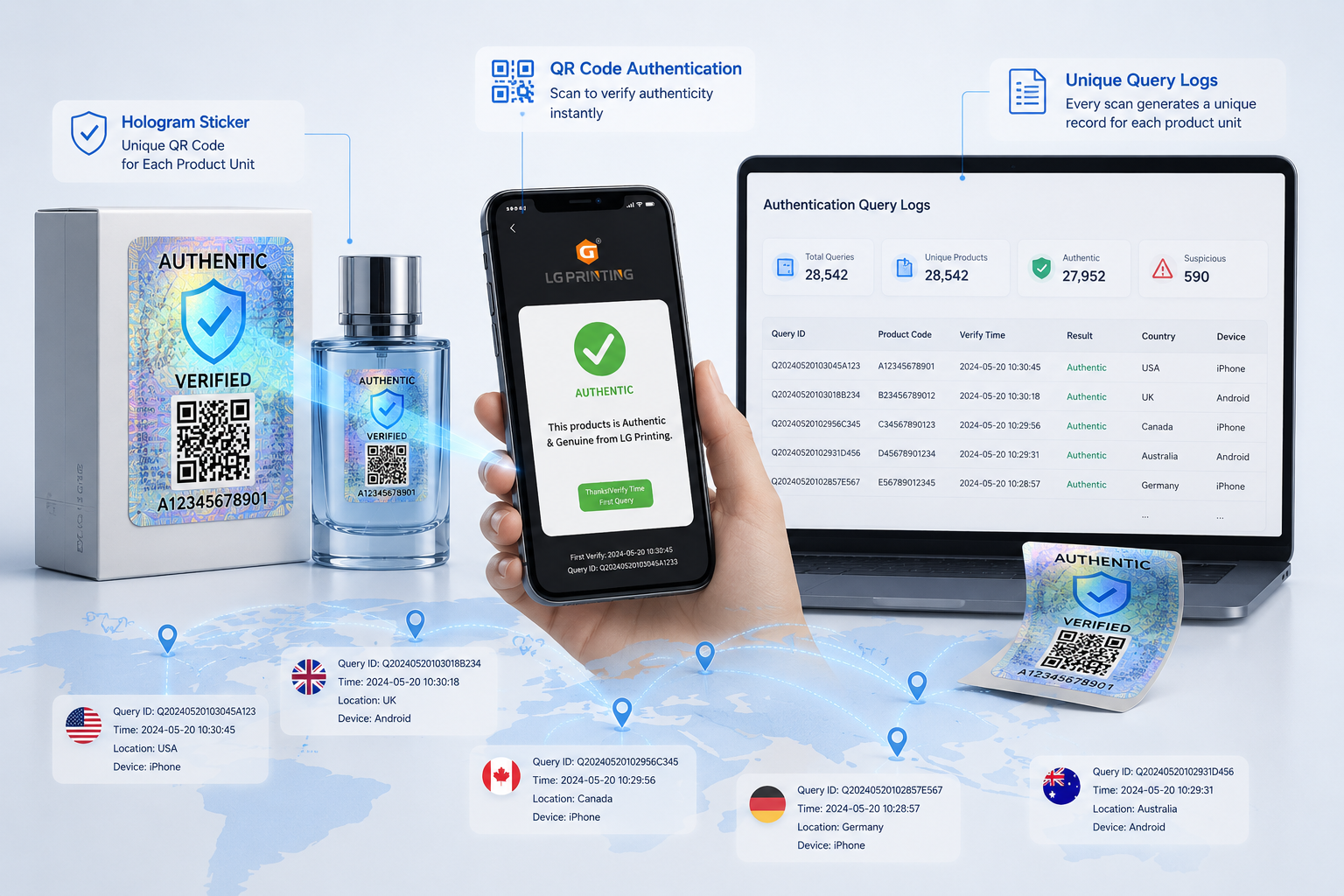
In the modern landscape of global trade, confirming authenticity has become the bedrock of brand survival. Traditional product identification methods, which often relied on batch-level tracking, have proven insufficient in the face of increasingly sophisticated counterfeiting operations and complex international distribution networks. The industry is witnessing a significant paradigm shift where every single item is now treated as a distinct digital entity. By leveraging advanced QR code technology to generate unique query logs for every individual product unit, brands can effectively transform a physical item into a functional digital passport. This evolution allows for a level of operational precision that was previously unattainable, ensuring that the history, location, and real-time status of any single product remain verifiable from the initial manufacturing floor all the way to the end consumer’s hands.
How Unique Query Logs Drive Data Intelligence
The technical core of unit-level authentication lies in the generation of unique, dynamic query logs that act as digital footprints. Unlike older, static QR codes that merely point to a generic brand landing page, modern authentication platforms assign a completely distinct digital signature to every single unit produced. Each time a specific code is scanned, the platform captures a precise log entry, building a clear, chronological history for that individual product. This sophisticated data collection process is facilitated by a robust, cloud-based architecture that validates every single query against a secure database in a fraction of a second. By constantly monitoring these logs, organizations gain access to a continuous stream of actionable intelligence, allowing for the observation of lifecycle events that would otherwise remain completely invisible in a standard, disconnected supply chain.
Enhancing Consumer Trust through Real-Time Transparency
Trust remains the most valuable currency for any global brand, and unit-level transparency is the primary driver of that essential trust. When consumers scan a QR code, they receive immediate, verifiable proof that their purchase is genuine. This process does much more than just confirm the item is authentic; it provides the consumer with a heightened sense of security and engagement that was previously impossible. By providing access to the unique journey of a specific product, brands foster a much deeper, more personal relationship with their users. This transparent interaction effectively mitigates the risks associated with grey markets and unauthorized resellers, as any inconsistency in the scan data becomes immediately apparent to the system, protecting the reputation of the manufacturer and ensuring a positive experience for the end consumer.
Operational Efficiency and Supply Chain Visibility
Beyond simple authentication, unique query logs function as a remarkably powerful instrument for operational optimization. In the context of large-scale logistics, the ability to trace the movement of specific units provides deep insights into emerging market trends and overall distribution efficiency. If an item appears in a market where it was never intended to be sold, the query logs provide immediate evidence of diversion or potential supply chain leakage. This level of granular visibility empowers managers to make data-driven decisions regarding inventory management and resource allocation. By transforming security labels into functional tools for logistics, brands can drastically reduce unnecessary losses and ensure that every single unit contributes to the overall health and long-term sustainability of the entire distribution network.
Security Standards and Data Integrity
Maintaining absolute data integrity is a critical mandate for any modern authentication infrastructure. The link between the physical item and its corresponding digital log must be completely impenetrable. Advanced platforms utilize highly encrypted protocols and secure identity verification to ensure that scan data cannot be replicated, spoofed, or manipulated by malicious actors. In an era where digital threats are becoming increasingly complex, the standardization of these security measures across all scanning points is absolutely essential. By ensuring that every unique QR code is coupled with robust, multi-layered backend security, platforms protect the immutable nature of the product’s digital identity. This deep commitment to technical excellence is exactly what separates basic item tracking from true, high-security product authentication.
The Manufacturing Foundation: LG Printing’s Role in Secure Serialization
The effectiveness of any digital authentication platform is inextricably tied to the quality of the physical hardware—the security labels themselves. Digital logs are only as reliable as the serialized, high-precision code printed on the item. LG Printing understands that true success in this domain requires a holistic approach, where superior printing technology meets advanced digital data management. Through extensive expertise in precision manufacturing, LG Printing provides the durable, high-security materials necessary to ensure that every unique QR code survives the significant rigors of the global supply chain. By integrating custom holographic features and specialized anti-tamper technologies with seamless data-to-label synchronization, LG Printing empowers global brands to secure their intellectual property. Partnering with a manufacturer capable of delivering consistent, high-integrity serialization is the final, most crucial step in creating a fully protected, verifiable product ecosystem that enables brands to compete globally with total confidence.
Table of Contents
- The Digital Passport: Redefining Product Identity with QR Codes
- How Unique Query Logs Drive Data Intelligence
- Enhancing Consumer Trust through Real-Time Transparency
- Operational Efficiency and Supply Chain Visibility
- Security Standards and Data Integrity
- The Manufacturing Foundation: LG Printing’s Role in Secure Serialization