 EN
EN

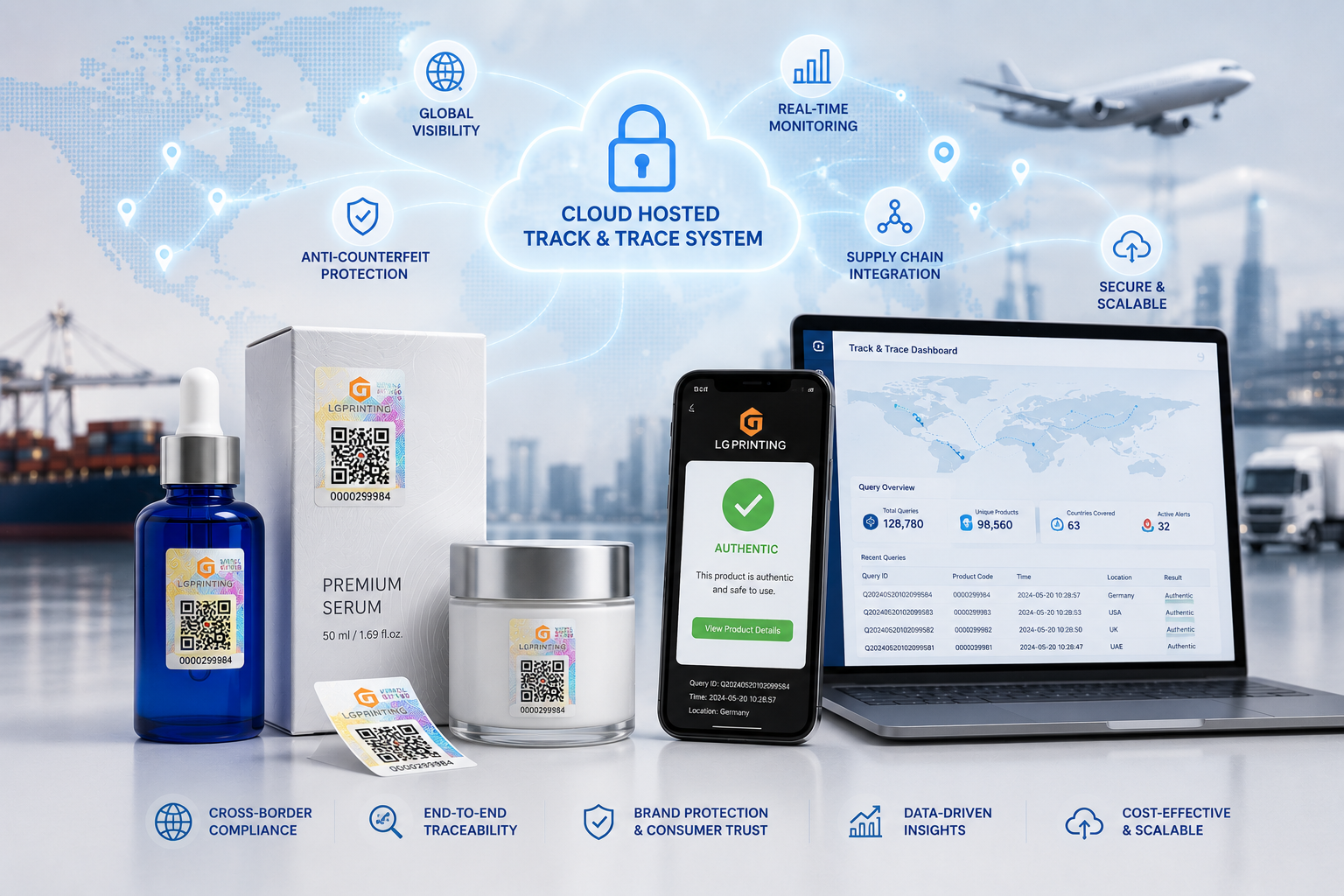
The Shift to Cloud-Based Traceability in Global Commerce
For modern cross-border enterprises, the supply chain is no longer just a simple, linear path from A to B. It has evolved into a sprawling, multi-layered ecosystem that spans continents and time zones. As global brands push into diverse international markets, the ability to monitor products in real-time has shifted from being an optional operational luxury to an absolute necessity for survival. Traditional, on-premise tracking systems often buckle under the pressure of this global scale, creating isolated data silos that stifle speed, transparency, and collaboration. Consequently, forward-thinking organizations are rapidly moving toward cloud-hosted track and trace systems. By migrating infrastructure to the cloud, these enterprises gain a centralized, resilient platform that offers end-to-end visibility regardless of geographic borders. This ensures that every movement—from the moment a product leaves the factory floor to its final arrival at a consumer’s doorstep—is accurately captured, analyzed, and stored in a unified, accessible digital space.
Architectural Advantages: Flexibility and Scalability
Cloud-hosted platforms provide a fundamental architectural advantage that legacy systems simply cannot match: extreme agility. Older, on-premise setups usually require heavy physical hardware and tedious, manual software updates at every single distribution node, which becomes a nightmare for growing international firms. In contrast, cloud-based solutions allow for instant, global deployment of updates and patches. This inherent flexibility allows enterprises to scale their operations effortlessly. Whether a brand is breaking into a brand new market or dealing with a sudden, unexpected surge in global demand, the system adapts instantly without requiring massive infrastructure overhauls or costly downtime. Furthermore, this modern environment enables seamless, fluid integration with existing ERP and warehouse management tools through robust APIs. For a business operating across multiple regions, this capability is more than just a convenience; it acts as the primary technological engine that drives sustained, rapid expansion.
Data Centralization and Decision-Making Agility
The true power of a cloud-hosted system lies in its ability to transform raw, disconnected logs into actionable business intelligence. When supply chain data is trapped in silos across different regions, decision-makers are often forced to work in the dark, reacting to problems after they have already escalated. A unified cloud platform destroys these barriers by pulling information from every node of the supply chain into a single, comprehensive dashboard. This centralization allows leadership teams to identify patterns, such as shipment bottlenecks, transit delays, or regional distribution inefficiencies, with remarkable speed. By leveraging real-time analytics, organizations move away from a reactive, fire-fighting posture and toward a proactive, data-driven strategy. This helps optimize inventory levels and dramatically improves delivery reliability across the globe, giving brands a distinct competitive edge.
Strengthening Security and Compliance Standards
For enterprises navigating the incredibly complex legal landscapes of international trade, maintaining strict compliance is non-negotiable. Cloud-hosted track and trace systems are typically equipped with sophisticated security protocols that are often significantly more advanced than those found in standard, localized setups. Leading cloud providers employ high-level encryption, multi-factor authentication, and automated, tamper-proof data logging, all of which are essential for meeting stringent international quality and safety regulations. Furthermore, the cloud environment drastically simplifies the audit process. By maintaining a permanent, immutable record of every product transaction, firms can provide regulators with the instant transparency required to prove compliance. This mitigates legal risks, protects the business from costly administrative scrutiny, and helps maintain the reputation of the brand in sensitive markets.
Cost Optimization and Operational Resilience
While the technical benefits are significant, the financial argument for cloud hosting is just as compelling for global leaders. By eliminating the massive capital expenditure associated with purchasing, housing, and maintaining local server infrastructure, firms can convert their IT costs into a predictable, manageable operating expense. Beyond direct cost savings, cloud hosting offers unparalleled operational resilience. In the event of localized physical disruptions—such as power failures, severe weather, or warehouse outages—data stored in the cloud remains safe, secure, and accessible from anywhere on the planet, ensuring business continuity. This reliability ensures that even during major, unforeseen global disturbances, the enterprise maintains total control over its inventory and distribution flows, effectively protecting revenue streams and reinforcing market stability even in turbulent times.
The Manufacturing Foundation: LG Printing’s Role in Digital Transformation
The ultimate success of any digital track and trace initiative is fundamentally anchored in the quality of the physical hardware—the security labels that connect the real world to the digital cloud. A cloud-hosted system is only as reliable as the physical data it receives; therefore, the precision of serialization is of paramount importance. LG Printing understands that the digital journey begins at the manufacturing source. By providing high-precision, tamper-proof labeling solutions, LG Printing ensures that every digital log in the cloud corresponds to a genuine, authenticated product. Through extensive mastery of advanced material science and secure serialization, LG Printing bridges the gap between physical production and digital intelligence. Partnering with a manufacturing leader that prioritizes high-integrity labeling ensures that global enterprises possess the accurate, consistent data necessary to maximize the value of their cloud-hosted systems, allowing them to compete with absolute confidence in any market worldwide.
Table of Contents
- The Shift to Cloud-Based Traceability in Global Commerce
- Architectural Advantages: Flexibility and Scalability
- Data Centralization and Decision-Making Agility
- Strengthening Security and Compliance Standards
- Cost Optimization and Operational Resilience
- The Manufacturing Foundation: LG Printing’s Role in Digital Transformation