 EN
EN
How QR Code Tracking Enables End-to-End Traceability
From Static Labels to Dynamic Digital Twins
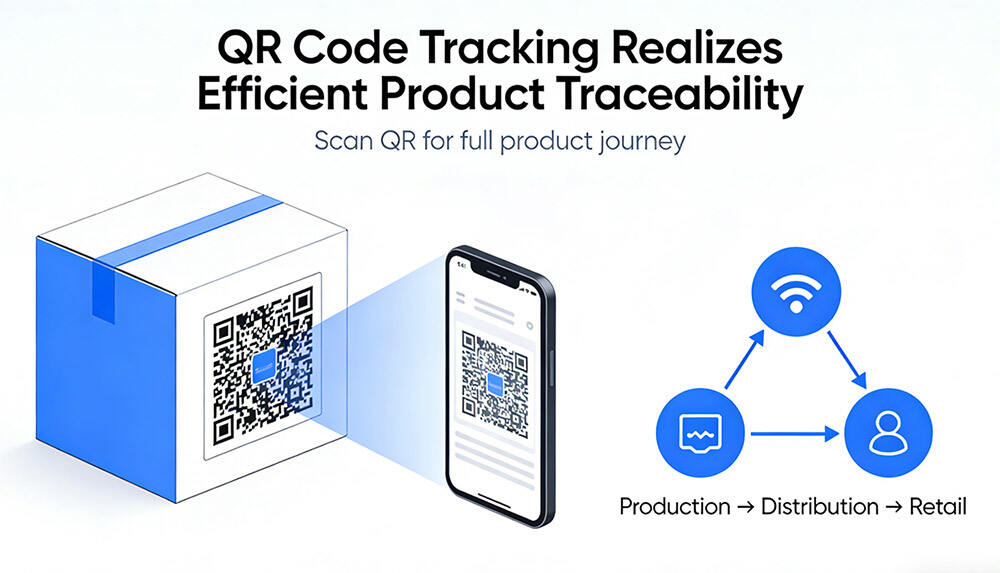
Traditional product identification relied on static labels with fixed data—once printed, information couldn’t evolve. QR code tracking transforms this by creating dynamic digital twins: virtual replicas that update in real time as products move through the supply chain. Each scan captures live data points like location shifts, temperature fluctuations, or handling events. For perishable goods, this means automatic cold-chain compliance logging from farm to retailer. Stakeholders access current conditions instantly via smartphone scans—replacing error-prone manual checks with automated accuracy. This shift from passive labels to interactive digital profiles enables proactive quality control and reduces human error by 34% in logistics audits.
Encoding Unique Identifiers with Contextual Metadata
QR codes embed more than basic product IDs—they link to layered contextual metadata such as harvest batches, expiration timelines, and sustainability certifications. Each identifier serves as a key to retrieve real-time data from centralized systems, attaching details like:
| Metadata Type | Traceability Impact |
|---|---|
| Origin Coordinates | Verifies ethical sourcing locations |
| Processing Timestamps | Tracks freshness windows |
| Compliance Certificates | Auto-updates regulatory status |
This structure turns a single scan into a comprehensive audit trail. When contamination risks emerge, metadata accelerates root-cause analysis—pinpointing affected batches within minutes versus days. By encoding both identity and context, QR code tracking bridges physical products with their digital histories.
QR Code Tracking in Supply Chain Visibility and Regulatory Compliance
QR code tracking transforms regulatory compliance from a reactive burden into a proactive strategic advantage. By embedding unique digital identities at item-level, businesses achieve granular traceability across complex supply networks.
Meeting FSMA 204, EU Digital Product Passport, and Industry Mandates
Modern regulations like FSMA 204—which requires end-to-end food traceability within 24 hours—and the EU Digital Product Passport—which mandates disclosure of environmental and social impact data—demand instant, auditable data accessibility. QR codes serve as physical-digital bridges, storing critical documentation including batch-specific certifications, temperature logs for cold-chain integrity, and safety inspection records. This eliminates manual record searches during audits, reducing compliance verification time by up to 70%, according to recent supply chain studies.
Seamless Integration with ERP, WMS, and IoT Sensors for Real-Time Data Flow
QR code systems feed live data into enterprise platforms through automated workflows:
- ERP integration synchronizes production dates with financial systems
- WMS connections update inventory levels at each scan point
- IoT sensors automatically append environmental data—such as humidity spikes or shock events—to QR-linked records
This unified data flow supports predictive analytics and dynamic stock rotation. Firms report 22% inventory optimization as a result (GS1, 2023). When recalls occur, integrated systems resolve incidents 68% faster by instantly identifying affected batches—without cross-referencing siloed spreadsheets or paper logs.
Tangible Business Benefits of QR Code Tracking
68% Faster Recall Resolution and 22% Inventory Optimization (GS1, 2023)
QR code tracking delivers measurable operational efficiencies. Businesses achieve 68% faster recall resolution by instantly accessing batch-specific data across supply chains—minimizing financial losses and reputational damage during product withdrawals. Simultaneously, real-time inventory visibility enables 22% optimization (GS1, 2023). Warehouse managers reduce overstocking, prevent shortages, and lower storage costs—all while improving cash flow through agile, scan-driven stock management.
Enhanced Consumer Trust and Brand Differentiation via Transparent Traceability
Transparency directly impacts consumer loyalty and market positioning. Shoppers increasingly demand proof of ethical sourcing and insight into production journeys. QR code tracking meets this need through scannable digital passports that reveal farm origins, processing methods, and third-party sustainability certifications. Brands sharing this data see higher customer retention and stronger trust metrics. This openness builds emotional brand connections—and differentiates products in crowded markets. QR code tracking turns traceability into a strategic, not just compliance-driven, advantage.
Implementing QR Code Tracking in Food and Agricultural Traceability
Linking Harvest Batch Data, Cold Chain Logs, and Lab Results Through QR Code Tracking
QR code tracking creates unified digital threads across agricultural supply chains by encoding three critical data layers into scannable markers. Harvest batch details—including field coordinates, picking timestamps, and worker IDs—form the foundational layer. Temperature-controlled transport and storage conditions are continuously logged through IoT sensors, creating verifiable cold-chain records. Finally, laboratory safety certifications and quality test results are cryptographically linked to each batch. When scanned, these QR codes instantly reveal a product’s journey from soil to shelf—enabling real-time verification of compliance with FSMA 204 and the EU Digital Product Passport. This integrated approach slashes recall resolution times by 68% and reduces inventory waste by 22% (GS1, 2023), as stakeholders access synchronized data without manual reconciliation.
FAQ
What is QR code tracking?
QR code tracking involves using scannable codes to access dynamic, real-time data about products as they move through the supply chain. This data includes location, environmental conditions, compliance certifications, and more.
How does QR code tracking help with traceability?
QR codes connect physical products to their digital histories, creating end-to-end traceability. This system records each scan's metadata, enabling fast and accurate root-cause analysis, contamination tracking, and regulatory compliance.
How does QR code tracking ensure regulatory compliance?
QR codes store batch-specific certifications, temperature logs, and inspection records, ensuring that businesses meet regulations like FSMA 204 and the EU Digital Product Passport. Compliance verification becomes faster and more reliable.
Can QR code tracking be integrated with other systems?
Yes, QR code systems seamlessly integrate with ERP platforms, WMS solutions, and IoT sensors, creating a unified data flow for predictive analytics, inventory management, and faster recall resolutions.
What are the business benefits of QR code tracking?
QR code tracking improves operational efficiency, enables faster recall resolutions, optimizes inventory, and builds consumer trust through transparent product traceability. It also helps businesses reduce costs and enhance brand differentiation.