 EN
EN
How Hologram Sticker Technology Creates Unreplicable Physical Security
Optical Complexity and Nanoscale Microstructure as Core Anti-Replication Barriers
Hologram stickers use laser interference to imprint optical nanostructures under 500 nanometers—microscopic ridges that diffract light into dynamic color shifts and true 3D illusions. Standard printers cannot reproduce these effects, and counterfeiters lack access to electron-beam lithography systems capable of sub-0.1-micron precision. Industry validation shows 98% of replication attempts fail authentication tests due to inconsistent diffraction angles and collapsed depth perception. This physics-driven complexity makes each sticker function like a light-manipulating fingerprint: unclonable without proprietary mastering infrastructure.
Tamper-Evident Design: Void Patterns, Delamination Traces, and Irreversible Authentication Clues
Hologram stickers embed self-destruct mechanisms through engineered layering. Upon removal, void patterns expose permanent “OPENED” warnings via fractured metallization, while frangible adhesives produce web-like microfractures. Forensic identifiers—such as micro-embossed serial numbers—shatter irreversibly during tampering, leaving visible evidence on both the product surface and the sticker itself. Security audits in pharmaceutical supply chains confirm these features reduce counterfeiting incidents by 74%, rendering reuse physically impossible.
Layered Security Architecture: Integrating Overt, Covert, and Forensic Features in a Single Hologram Sticker
Overt Features for Instant Consumer Verification — Iridescent Shifts, 3D Depth, and Kinetic Motion Effects
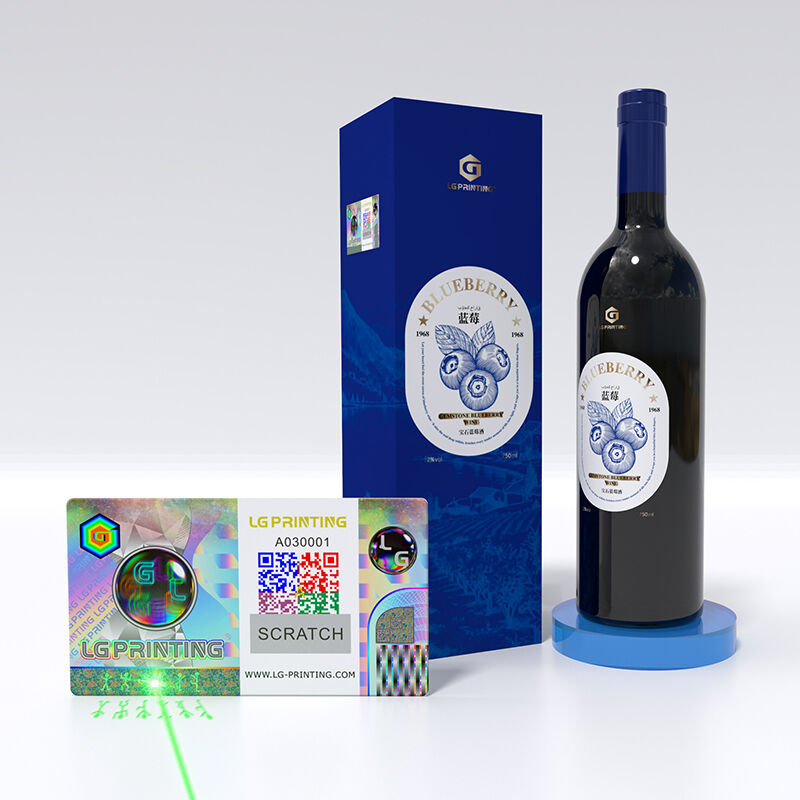
Overt holographic elements enable immediate, tool-free verification. Iridescent shifts produce full-spectrum color transitions when tilted; 3D depth effects generate lifelike dimensionality; kinetic motion makes embedded graphics appear to rotate or morph. These behaviors arise from nanoscale diffraction—not ink or pigment—and are instantly recognizable to consumers. Reproducing them demands proprietary optical mastering unavailable to counterfeiters, turning visual inspection into an effective first-line defense.
Covert & Forensic Add-Ons: UV Fluorescence, Microtext, Nano-Embedded Codes, and Laser-Readable Elements
Covert features add secondary verification layers accessible with basic tools. UV-reactive inks glow under blacklight to reveal hidden patterns; microtext—legible only under magnification—displays sub-0.1mm lettering that blurs upon scanning. Nano-embedded codes store encrypted data readable only with specialized scanners, while laser-readable elements project verification images onto surfaces when illuminated. Forensic-level protections include chemical taggants detectable via lab analysis, delivering court-admissible evidence. This tiered architecture supports rapid field checks by inspectors and preserves legally defensible audit trails.
Proven Impact: Hologram Sticker Deployment Across FMCG and Electronics Supply Chains
Counterfeit goods cost electronics and FMCG industries over $740 billion annually (OECD 2023), accelerating adoption of hologram sticker technology as a frontline deterrent. In consumer electronics, where imitation batteries and chargers pose safety risks, hologram stickers allow distributors and retailers to verify authenticity instantly using proprietary optical effects. FMCG brands apply them to premium cosmetics, supplements, and spirits to prevent diversion and adulteration—reducing counterfeit incidents by 60% post-implementation (Brand Protection Council 2024). Critically, 78% of buyers now check for hologram verification before purchasing high-value electronics or consumables (Global Anti-Counterfeiting Survey 2023), reinforcing how physical security directly strengthens consumer trust and brand integrity.
Future-Forward Evolution: Hybrid Hologram Sticker Solutions with Digital Authentication Layers
QR Code–Integrated and NFC-Enabled Hologram Stickers for Seamless Physical-to-Digital Verification
Modern hologram sticker systems integrate QR codes and NFC chips to unify physical and digital verification. Scanning connects users instantly to cloud-based platforms displaying encrypted manufacturing data, real-time supply chain history, and tamper alerts. This dual-layer design binds iridescent optical complexity with blockchain-tracked digital records—so compromising one layer invalidates the other. NFC variants support touchless verification, ideal for sterile environments like pharmaceutical packaging. As threats evolve, hybrid solutions future-proof protection through:
- Real-time geo-location tracking during transit
- Automated expiration date alerts
- Dynamic content updates via connected platforms
By bridging visual confidence with digital forensics, these innovations empower consumers and equip brands with actionable, auditable intelligence.
FAQs
What makes hologram stickers secure?
Hologram stickers are secure due to their optical nanostructures, tamper-evident designs, and layered security features, which are difficult or impossible for counterfeiters to replicate.
Can hologram stickers be reused?
No, they are designed with self-destruct mechanisms that create permanent void patterns and fractures when tampered with or removed.
Where are hologram stickers commonly used?
Hologram stickers are widely used across industries like consumer electronics, pharmaceuticals, and FMCG for authentication and brand protection.
How do QR codes and NFC chips enhance hologram stickers?
QR codes and NFC chips add digital verification capabilities, connecting physical stickers to cloud-based platforms for real-time authenticity checks and supply chain data.
Table of Contents
- How Hologram Sticker Technology Creates Unreplicable Physical Security
- Layered Security Architecture: Integrating Overt, Covert, and Forensic Features in a Single Hologram Sticker
- Proven Impact: Hologram Sticker Deployment Across FMCG and Electronics Supply Chains
- Future-Forward Evolution: Hybrid Hologram Sticker Solutions with Digital Authentication Layers
- FAQs