 EN
EN

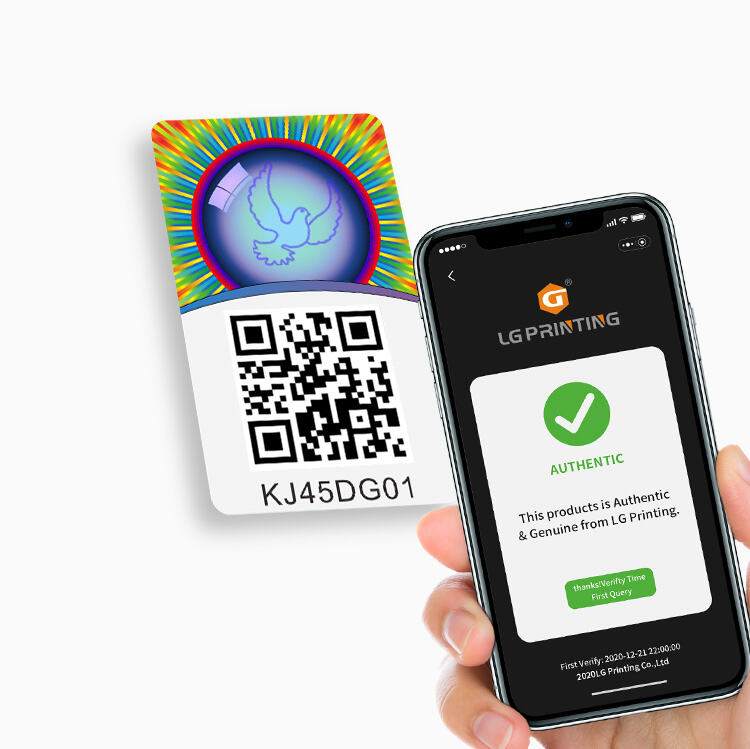
Why QR Code Authentication Is Critical in Today’s Anti-Counterfeiting Landscape
The $30B Counterfeit Crisis and Consumer Demand for On-Demand Trust
Counterfeiting now costs global businesses over $30B annually, eroding consumer confidence across pharmaceuticals, electronics, and luxury goods. With 78% of shoppers actively verifying product authenticity before purchase, traditional static labels fail to meet modern demands for instant verification. QR code authentication bridges this gap by enabling real-time cryptographic validation against secure databases—transforming smartphones into trust verification tools. This shift responds to a critical market need: proof of legitimacy accessible within seconds, not days.
How QR Code Authentication Solves the Trust Gap Between Physical Goods and Digital Proof
Static security features like holograms remain vulnerable to replication, creating a disconnect between physical products and verifiable proof of origin. QR code authentication closes this trust gap by cryptographically binding each item to a unique digital identity. When scanned, dynamic codes trigger cloud-based validation against tamper-proof manufacturing records, confirming authenticity in under 2 seconds. This real-time handshake between physical items and digital provenance creates an auditable chain of custody—turning passive packaging into active anti-counterfeiting infrastructure.
How QR Code Authentication Works: From Generation to Real-Time Validation
Cryptographic Binding: Linking Unique Hardware IDs to Time-Bound, Signed QR Codes
QR code authentication begins by embedding cryptographic signatures into dynamically generated codes, binding each to a specific product’s immutable hardware identifier (e.g., serialized chip or NFC tag). This process uses asymmetric encryption: a private key signs the QR payload containing the unique ID and expiration timestamp, while a public key enables verification. Crucially, codes expire within predetermined windows—typically 5–30 minutes—preventing replay attacks. For example, a luxury watch manufacturer might generate time-bound codes during final assembly, linking each to the watch’s engraved serial number. This cryptographic binding ensures that copied or reused codes immediately fail validation, as expired timestamps or mismatched signatures trigger alerts.
Zero-Latency Verification Flow: Scan → Cloud Validation → Authenticated Result in <2 Seconds
The authentication sequence delivers near-instant results through optimized cloud architecture. When a user scans a QR code, the encrypted payload transmits via HTTPS to a validation API. Cloud servers then:
- Decrypt the signature using public keys
- Verify timestamp validity against coordinated universal time (UTC)
- Cross-reference the hardware ID with a registered product database
Legitimate products return a green "Authentic" result within 1.2 seconds on average, while counterfeits trigger red warnings. This sub-second latency is achieved through serverless computing and edge caching, enabling brands to process 100k+ verifications/hour without bottlenecks. The closed-loop flow—scan to cloud to result—eliminates manual checks, making it scalable for global supply chains.
Fraud Resistance: Why Dynamic QR Code Authentication Outperforms Static Alternatives
Tamper Evidence vs. Tamper Prevention: The Security Limitations of Static QR Codes
Static QR codes contain immutable data that remains unchanged after printing, creating critical vulnerabilities. Counterfeiters easily replicate these codes since they lack cryptographic protection, allowing fake products to redirect to legitimate verification pages undetected. This approach only provides tamper evidence—revealing duplication after fraud occurs—rather than preventing it proactively. Without expiration mechanisms or revocation capabilities, copied static codes remain functional indefinitely. The static model fails to address real-time threats, forcing brands into reactive damage control after counterfeit incidents surface.
Dynamic QR Code Authentication: Session-Based Signing, Expiry, and Revocation Capabilities
Dynamic QR code authentication eliminates replication risks through cryptographic binding and time-bound validity. Each code contains unique session signatures tied to product identifiers, expiring within seconds after scanning to prevent replay attacks. Cloud-based validation systems instantly verify authenticity while cross-referencing revocation lists—blocking compromised codes in real time. This approach enables manufacturers to deactivate stolen or suspicious items remotely, a critical capability absent in static systems. By combining digital signatures with hardware-bound identifiers and instant expiration, dynamic authentication delivers tamper prevention rather than mere detection. The zero-latency verification process completes in under two seconds, maintaining user convenience while establishing cryptographic trust chains between physical products and digital verification systems.
Enterprise-Ready Deployment of QR Code Authentication Across Supply Chains
Implementing QR code authentication across global supply chains requires solutions that scale from raw material sourcing to retail distribution while maintaining cryptographic integrity. Unlike basic tracking systems, enterprise-grade deployment embeds unique cryptographic signatures at manufacturing origin, enabling real-time verification at every touchpoint—warehousing, logistics, and point-of-sale. This end-to-end cryptographic binding prevents diversion and counterfeiting by ensuring only authenticated products progress through the chain. Centralized management platforms allow batch generation of time-bound QR codes with dynamic revocation capabilities, while API integrations enable zero-disruption adoption alongside existing ERP and inventory systems. The session-based nature of dynamic QR code authentication also supports granular access controls for suppliers, auditors, and retailers, creating audit trails that simplify compliance. With deployment times averaging under 4 weeks for Fortune 500 manufacturers, this approach delivers immediate ROI through reduced counterfeit incidents and streamlined recall management.
FAQ
What is QR code authentication?
QR code authentication is the process of verifying the authenticity of a product by scanning a dynamically generated QR code that links to a cloud-based validation system. This ensures that the product is genuine and not counterfeit.
Why is static QR code authentication less secure?
Static QR codes are less secure because they remain unchanged after creation, making them easy to replicate. They lack cryptographic signatures and expiration, allowing counterfeit products to mimic legitimate QR codes.
How does dynamic QR code authentication prevent fraud?
Dynamic QR codes include cryptographic signatures, session-based validity, and expiration mechanisms, making them resistant to replication. They also allow instant validation and the ability to deactivate compromised codes, preventing fraud in real-time.
Can QR code authentication integrate with existing systems?
Yes, enterprise-grade QR code authentication systems are designed for seamless integration with existing ERP and inventory systems via APIs, allowing easy scalability and minimal disruption.
How long does it take to implement a QR code authentication system?
Implementation timelines typically range from a few days to four weeks for enterprise-grade solutions, depending on the scale and complexity of the supply chain.
Table of Contents
- Why QR Code Authentication Is Critical in Today’s Anti-Counterfeiting Landscape
- How QR Code Authentication Works: From Generation to Real-Time Validation
- Fraud Resistance: Why Dynamic QR Code Authentication Outperforms Static Alternatives
- Enterprise-Ready Deployment of QR Code Authentication Across Supply Chains
- FAQ