 EN
EN
The Strategic Role of Security Labels in Modern Brand Protection
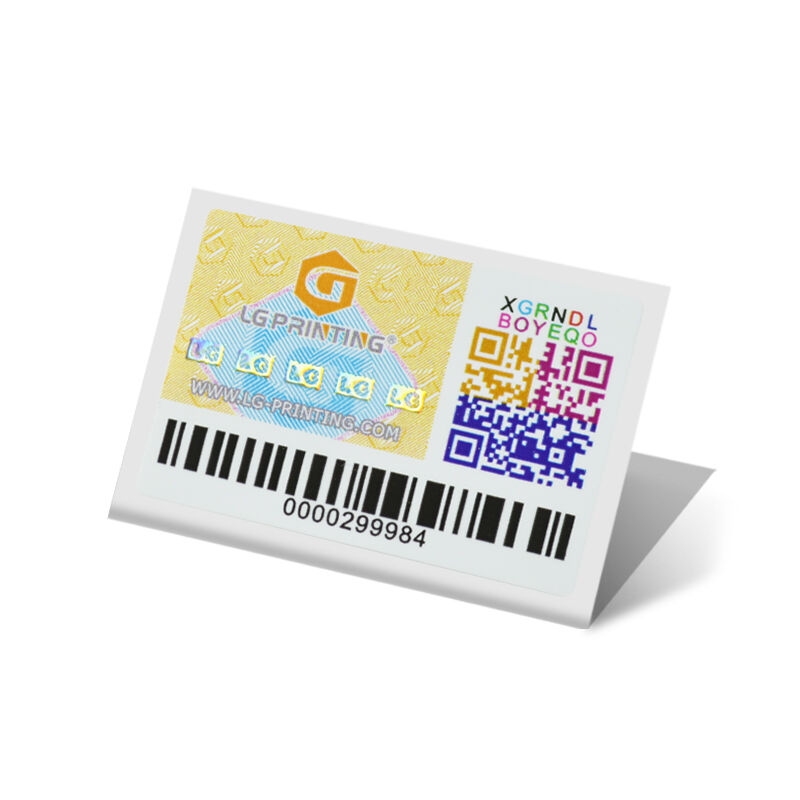
Security labels serve as the frontline defense in comprehensive anti-counterfeiting strategies, transforming product packaging into authenticated brand guardians. By integrating overt and covert technologies, these labels create immediate visual trust signals while embedding forensic-level verification capabilities inaccessible to counterfeiters. This dual-layered approach disrupts illicit supply chains at multiple touchpoints—from manufacturing to end consumers. Brands leveraging security labels report up to a 73% reduction in counterfeit incidents (Brand Protection Alliance, 2023), directly preserving revenue and consumer trust. Beyond fraud prevention, modern solutions enable real-time engagement through NFC and QR codes, turning static labels into interactive brand experiences. As counterfeit operations grow increasingly sophisticated, security labels evolve beyond mere compliance tools to become strategic assets that actively enhance brand equity and market positioning.
Three-Tier Security Architecture: Overt, Semi-Overt, and Covert Features in Security Labels
Modern brand protection relies on a strategic triad of authentication layers in security labels. This multi-tiered approach creates interdependent barriers that counterfeiters must overcome simultaneously, significantly raising replication difficulty. By integrating visual, technical, and forensic elements, security labels deliver scalable verification—from point-of-sale to laboratory analysis.
Overt Features: Instant Visual Authentication (e.g., Holograms, Color-Shifting Inks)
Overt features provide immediate visual verification without tools. Holograms display dynamic 3D images that change with viewing angles, while color-shifting inks transition between distinct hues. These elements enable consumers and frontline staff to spot fakes instantly. Their effectiveness lies in visual distinctiveness—products with overt security labels experienced 60% fewer counterfeit incidents, per a 2023 packaging study. Common applications include:
- Dynamic holograms with custom motion effects
- Optically variable inks shifting between gold and green
- Tactile embossing creating raised security patterns
Semi-Overt Features: Tools for Field Verification (e.g., Microtext, UV-Responsive Elements)
Semi-overt features require simple devices like UV lights or magnifiers for authentication. Microtext appears as solid lines until magnified, revealing hidden alphanumeric codes. UV-responsive elements glow under specific wavelengths, exposing concealed patterns. These features empower supply chain inspectors and retailers to conduct on-site verification. Field studies show brands using semi-overt elements reduce counterfeit seizures by 45% at border controls. Key implementations include:
- Microscopic text smaller than 0.2mm
- Invisible UV markers fluorescing under blacklight
- Thermochromic inks changing color with temperature
Covert Features: Forensic-Level Authentication (e.g., DNA Taggants, Chemical Fingerprints)
Covert features provide irrefutable authentication through laboratory analysis. DNA taggants embed unique biological signatures requiring PCR testing, while chemical fingerprints use proprietary material compositions verifiable via spectrometry. These invisible markers serve as legal evidence in anti-counterfeiting cases. Forensic features typically cost counterfeiters over $500k to replicate unsuccessfully. Leading applications involve:
- Synthetic DNA markers traceable to batch origins
- Nano-scale magnetic particles requiring specialized detectors
- Isotopic chemical signatures measurable through mass spectrometry
Smart Integration: Tamper-Evident Seals and Digital Authentication in Security Labels
Modern security labels merge physical and digital defenses to create multi-layered protection. Tamper-evident seals—featuring fragile materials or “VOID” patterns—visually expose interference attempts during transit. These integrate seamlessly with Near Field Communication (NFC) and QR code technologies, enabling real-time verification by consumers and inspectors.
QR Code and NFC-Enabled Security Labels for Real-Time Consumer Verification
Smart labels with embedded NFC chips or scannable QR codes allow instant authentication via smartphones. Consumers verify products in seconds by tapping or scanning, accessing encrypted cloud databases that confirm legitimacy. This deters counterfeiting while providing brands with usage analytics—industries adopting this approach report 40% faster counterfeit detection (2024 Packaging Security Report).
Linking Physical Security Labels to Track-and-Trace Systems for Supply Chain Integrity
By connecting tamper-evident seals to blockchain-based track-and-trace platforms, security labels create immutable audit trails. Each scan records a product’s journey from factory to end-user, with IoT sensors triggering instant alerts if seals are breached. This dual-layer approach reduces diversion risks by 60% in high-value sectors through real-time monitoring of location and handling conditions.
Measuring Impact: ROI and Effectiveness of Security Labels Across Industries
Pharmaceuticals: 73% Reduction in Diversion with Dual-Technology Security Labels
Dual-technology security labels combining holograms with chemical markers reduce pharmaceutical diversion by 73%, according to 2023 supply chain audits. These multi-layered solutions enable instant verification by inspectors while embedding forensic-level authentication for lab testing. The approach cuts revenue losses from counterfeit medications while ensuring patient safety. Implementation costs are offset within 18 months through reduced theft investigations and product recalls.
Luxury Goods and Electronics: Correlation Between Security Label Adoption and Counterfeit Incident Decline
Luxury and electronics sectors report 40–60% fewer counterfeit incidents after implementing security labels with digital authentication. Track-and-trace data reveals counterfeit rates decline proportionally to label adoption across product lines. Tamper-evident seals with unique identifiers make replication economically unviable for counterfeiters. Brands recover an average of $2.3M annually in previously lost revenue while strengthening consumer trust through verifiable authenticity.
FAQs
What are security labels? Security labels are specialized labels used to prevent counterfeiting, featuring overt, semi-overt, and covert technologies for multi-layered authentication.
How do NFC and QR codes enhance security labels? NFC and QR codes enable consumers to authenticate products instantly using smartphones, allowing for real-time verification and tracking.
What is the benefit of using covert features in security labels? Covert features provide forensic-level authentication that serves as legal proof in anti-counterfeiting cases, making them difficult and costly for counterfeiters to replicate.
Table of Contents
- The Strategic Role of Security Labels in Modern Brand Protection
- Three-Tier Security Architecture: Overt, Semi-Overt, and Covert Features in Security Labels
- Smart Integration: Tamper-Evident Seals and Digital Authentication in Security Labels
- Measuring Impact: ROI and Effectiveness of Security Labels Across Industries
- FAQs