 EN
The Shift From Static Packaging to Interactive Retail
For decades, physical retail faced a classic blind spot: once a product left the central warehouse shelf and landed in a consumer's shopping cart, the brand’s direct line of sight vanished entirely. Traditional packaging functioned purely as a static billboard, offering plenty of visual shelf appeal on the surface but zero digital interactivity or real-time data feedback loops. Today, however, the global retail landscape has shifted dramatically. Driven by the mass proliferation of smartphones, ubiquitous high-speed mobile data, and accelerated contactless consumer habits, Quick Response codes have evolved from simple digital links into sophisticated data-gathering enterprise portals. By implementing robust code tracking systems, forward-thinking retailers are successfully bridging the persistent physical-to-digital divide. They are transforming every product tag, outer box, and individual label into an active, high-yield engagement channel that captures deep consumer insights and generates measurable, long-term business value.
The Mechanics Behind Modern Code Tracking Architecture
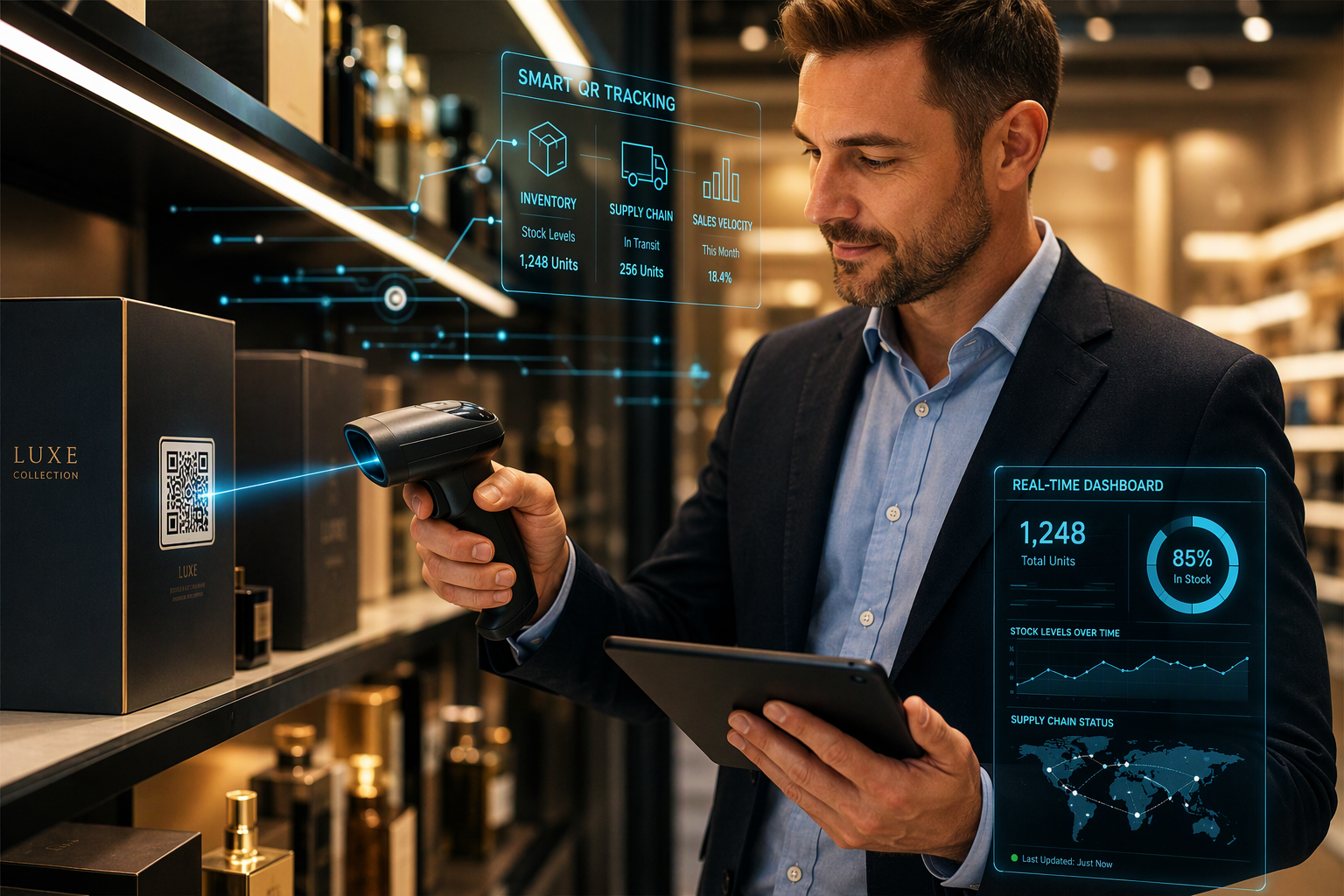
To fully leverage the potential of trackable codes, retail enterprises must move beyond basic static codes and embrace dynamic architecture. Unlike static alternatives—where the destination URL is permanently hardcoded into the matrix pattern and cannot be altered once printed—dynamic codes route consumers through a flexible, cloud-based redirect server. This advanced technical setup empowers businesses to modify destination landing pages on the fly without changing a single element of physical packaging, while simultaneously capturing a wealth of backend telemetry. Every single time a consumer scans a code with a mobile device, the underlying tracking infrastructure logs vital data points: precise timestamps, geographic regions down to the municipal or neighborhood level, operating systems, browser types, and unique device identifiers. According to leading digital marketing and retail technology analysts, this unprecedented level of operational granularity provides brands with absolute visibility into consumer behavior, shifting corporate decision-making away from intuition-based assumptions and toward empirical, data-backed strategies.
Driving Consumer Trust Through Transparent Interaction
In direct hands-on practice across diverse global markets, the ultimate success of a trackable campaign hinges heavily on the delicate balance between value exchange and technical execution. Modern shoppers are increasingly protective of their personal data and privacy; therefore, scanning a code must immediately reward them with something genuinely useful, transparent, and frictionless—such as verified authenticity certificates, comprehensive sustainability and sourcing disclosures, exclusive loyalty perks, or detailed interactive user manuals. Furthermore, technical precision on the printing press is paramount to campaign viability. A code that fails to scan instantly due to ink smudging, poor contrast ratios, or incorrect scaling immediately erodes hard-earned brand trust. Implementing rigorous quality control protocols on the factory floor ensures that scan error rates remain practically zero, fostering a smooth, reliable interaction that encourages repeat engagement and strengthens overall brand credibility.
Unlocking Commercial Value Through Analytics and Personalization
Beyond immediate consumer engagement and brand interaction, the true commercial power of tracking code performance lies in its capacity to supercharge return on investment and enable hyper-personalization at scale. Prominent retail data scientists note that tracking offline touchpoints allows corporate marketing teams to accurately attribute online sales spikes, mobile application downloads, and digital newsletter sign-ups to specific physical campaigns or individual retail storefronts. If a particular instore promotional display in one region drives significantly more scan volume than an identical display elsewhere, marketing managers can dynamically reallocate media budgets or tailor localized messaging in real time. This sophisticated closed-loop analytics framework allows retail enterprises to optimize overall packaging expenditure, refine complex supply chain forecasting models based on actual promotional responsiveness, and deliver curated digital experiences tailored precisely to distinct consumer segments.
Empowering Global Retail Supply Chains with Advanced Manufacturing
Maximizing the strategic advantages of advanced packaging intelligence requires far more than just clever software architecture; it demands flawless physical execution right on the high-speed packaging line. Variable data printing precision, scannability under varied lighting conditions, and durable lamination coatings that withstand rigorous retail transit and warehouse handling are critical success factors. This is precisely where collaborating with an industry leader like LG Printing makes all the difference for global brands. Backed by advanced manufacturing capabilities, stringent quality assurance processes, and robust supply chain integration, LG Printing ensures that every trackable code is flawlessly reproduced across millions of production units. By combining cutting-edge digital tracking strategies with world-class printing and packaging craftsmanship, brands can protect corporate integrity, elevate end-user experiences, and secure a lasting competitive edge in today's dynamic retail ecosystem.