 EN
Demystifying the Role of Digital Verification in Global Supply Chains
In an era defined by lightning-fast digital transformation and borderless e-commerce, modern supply chains face an unprecedented challenge: the relentless surge of sophisticated counterfeit goods worldwide. Traditional security measures, such as static holographic foil stickers or basic linear barcodes, are increasingly vulnerable to high-tech duplication by illicit manufacturing syndicates. To combat this escalating threat, forward-thinking enterprises across pharmaceuticals, luxury apparel, electronics, and consumer packaged goods are turning to advanced digital solutions. At the forefront of this technological shift is QR code authentication. Unlike standard, open-source barcodes that merely direct users to a generic website, secure authentication codes incorporate dynamic encryption, cryptographic tokens, and randomized serialization algorithms. According to prominent supply chain security analysts, deploying interactive digital authentication is no longer an optional luxury; it is a critical operational necessity for protecting brand equity, ensuring regulatory compliance, and guaranteeing consumer safety across diverse international markets. Furthermore, modern consumers increasingly demand transparency, making verifiable digital touchpoints an essential element of modern corporate governance.
The Core Mechanics of Secure QR Code Verification
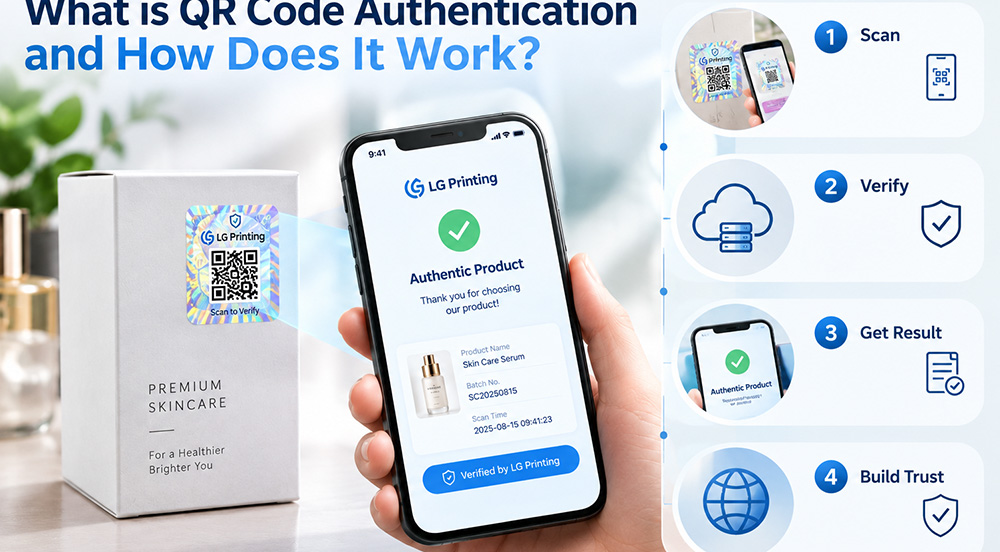
Understanding the underlying technology reveals why modern encrypted codes are virtually impossible for counterfeiters to successfully replicate. When a brand implements a secure verification framework, every single product label or packaging unit is assigned a completely unique, randomized cryptographic identifier encoded within a high-density matrix. In extensive practical engineering and manufacturing experience, the real power of these systems lies in backend dynamic session tracking. When a consumer or a retail logistics partner scans the code using a standard smartphone camera, the software does not simply open a static link. Instead, it instantly queries a secure, cloud-based server to verify the cryptographic token in real-time. If the code has been scanned an anomalous number of times, or if the geolocation data points toward a known grey-market diversion hotspot, the system immediately flags the item as suspicious. This continuous loop of digital handshaking ensures absolute audit transparency and renders static cloning attempts completely useless, protecting both brands and end-users from fraudulent interference.
Implementing a Multi-Tiered Verification Architecture
An exceptionally robust anti-counterfeiting strategy must never rely on a single defensive layer. Instead, it implements a comprehensive defense-in-depth architecture that bridges physical packaging security with digital traceability protocols. The first tier involves physical substrate integrity, utilizing tamper-evident materials that ensure the underlying QR code cannot be physically peeled off or transferred to a counterfeit item. The second tier incorporates covert optical features, such as micro-text or reactive inks surrounding the matrix, which require specific viewing conditions to authenticate. Finally, the third tier consists of the encrypted digital layer—the secure QR code itself—which acts as the gateway to real-time database validation. By fusing these physical indicators with digital track-and-trace serialization databases, brand owners can seamlessly monitor every single item's journey from the factory floor directly to the hands of the final consumer, shutting down counterfeiters at every phase of distribution.
Transforming Consumer Engagement into Strategic Brand Equity
While integrating advanced digital tracking requires initial resource allocation, its long-term return on investment is profound, multifaceted, and economically transformative. Beyond preventing direct revenue leakage caused by grey-market infiltration, parallel importing, and product substitution, dynamic QR labels operate as powerful, psychological trust signals that actively elevate brand reputation and customer loyalty. When everyday shoppers scan a secure product label with their smartphones, they are not only verifying authenticity; they are also opening an immediate, direct channel for brand storytelling, loyalty rewards, and interactive customer engagement. In highly regulated global sectors such as pharmaceuticals and high-end electronics, compliance with international serialization mandates is strictly required by law. Implementing sophisticated authentication labeling ensures full regulatory compliance, avoids hefty financial penalties, and minimizes corporate liability, allowing businesses to successfully defend their pricing power and protect market share from counterfeit dilution.
Overcoming Global Distribution Vulnerabilities in Practice
Consider a complex, real-world scenario involving high-value pharmaceutical distributions moving through multi-national logistics corridors and regional distribution hubs. Without adequate digital traceability and encrypted label protection, shipments remain frequently vulnerable to interception, tampering, or wholesale substitution with substandard, uncertified knock-offs that threaten patient lives. To solve this exact vulnerability, specialized engineering teams deploy comprehensive track-and-trade solutions for international exporters. Integrating encrypted nano-structured security labels with cloud-connected, smartphone-accessible verification platforms grants clients real-time visibility over every shipped unit. Warehouse personnel and retail pharmacists can instantly scan labels to authenticate entire batches, while real-time data analytics automatically alert security teams to potential supply chain leaks. This powerful integration dramatically minimizes distribution vulnerabilities, empowers retail partners to spot fakes within seconds, and restores absolute confidence across entire global channels.
Partnering with Advanced Manufacturing and Packaging Leaders
Mastering the intricate discipline of secure digital integration and anti-counterfeiting requires an uncompromising balance of advanced material science, precision printing, and robust software architecture. Safeguarding an enterprise brand reputation demands far more than generic, off-the-shelf labels; it requires a future-ready, fully scalable ecosystem meticulously tailored to unique operational vulnerabilities and market requirements. LG Printing brings extensive manufacturing expertise, cutting-edge research and development capabilities, and comprehensive supply chain solutions—including advanced hologram sticker printing, custom anti-counterfeiting labels, and robust track-and-trace verification systems. Protecting enterprises, securing corporate legacies, and empowering valued consumers becomes seamless when partnering with a trusted global manufacturing leader dedicated to absolute quality, scalable production capacity, and continuous digital innovation. Furthermore, choosing a specialized manufacturing partner ensures seamless integration of physical anti-counterfeiting mechanisms with dynamic cloud databases, providing long-term security, peace of mind, and measurable commercial advantage for businesses operating in competitive international markets today.
Table of Contents
- Demystifying the Role of Digital Verification in Global Supply Chains
- The Core Mechanics of Secure QR Code Verification
- Implementing a Multi-Tiered Verification Architecture
- Transforming Consumer Engagement into Strategic Brand Equity
- Overcoming Global Distribution Vulnerabilities in Practice
- Partnering with Advanced Manufacturing and Packaging Leaders