 EN
EN
Core Security Printing Technologies and Human-Verifiable Features
Tactile, Visual, and Motion-Based Authentication Elements
Security printing incorporates features people can check themselves without needing fancy equipment. The touch aspect works well too, think about those raised prints or textured surfaces that let someone run their fingers over them to verify. When it comes to what we see, there are detailed patterns and complex designs that stand out even in regular lighting conditions. Then there's stuff that moves visually, like ink that changes colors when the item is angled differently. These different ways of checking things work together pretty effectively. According to the Global Anti Counterfeiting Council report from last year, around three quarters of fake products try to copy just the look of genuine items. That makes quick checks right on the spot really important for stopping fraud before it happens. By mixing these touch, sight, and movement elements, businesses give both everyday customers and staff members something solid they can rely on to tell if something is authentic within moments, all based on simple physical characteristics anyone can observe.
Holograms, Optically Variable Ink, Microtext, and Embedded Watermarks
Holograms create those cool 3D images that actually change depending on where someone looks at them from. Some have hidden nano-text layers that can only be seen when magnified properly. Then there's this thing called optically variable ink (OVI) which makes colors shift hues as light hits it at different angles. Microtext printing goes even smaller, putting characters down to around 50-100 microns in size. Try copying these on a photocopier? They just get blurry or vanish completely. Watermarks embedded in paper show up as faint patterns when held against light, something most people don't notice until they're specifically looking for it. Banks really love combining all these tricks together because modern currency might have over a dozen different security features built right in. According to the International Currency Association report from last year, documents with three or more of these tech layers see about two thirds fewer fake attempts. The idea is smart too each security element addresses a different weakness point. So even if crooks manage to copy one aspect, the rest still hold up and cause problems during official checks.
Regulatory Compliance and Risk Mitigation Through Security Printing
Meeting GDPR, HIPAA, and PCI-DSS Requirements for Sensitive Printed Materials
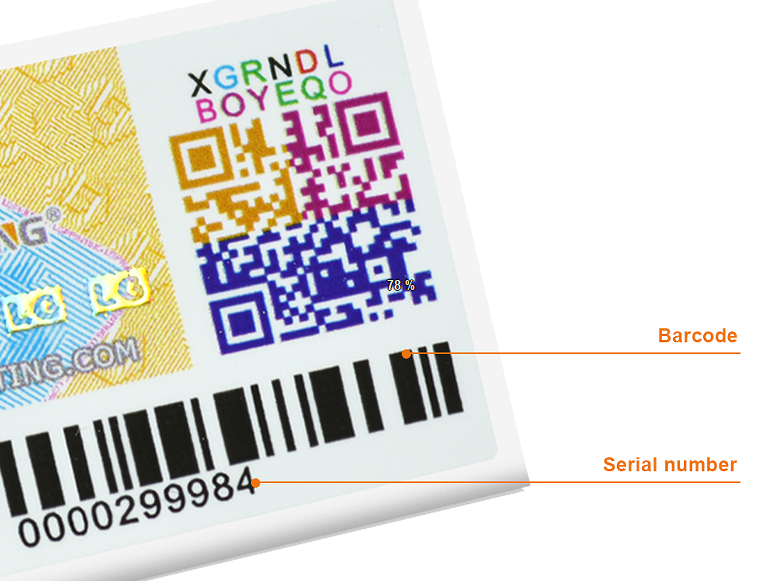
Security printing plays a key role in meeting requirements for GDPR, HIPAA, and PCI-DSS standards through the inclusion of features that show if something has been tampered with or needs authentication. Medical offices dealing with patient records often use special printing techniques where copies automatically display "VOID" when someone tries to duplicate them illegally. Banks and credit card companies go even further, using tiny text that's hard to see with the naked eye and special inks that glow under ultraviolet light on their statements and receipts to stop fake documents from being made. Many businesses also rely on security seals that clearly show if they've been opened, along with paper stock that comes with unique serial numbers for tracking purposes throughout different stages of processing. According to recent studies, companies that incorporate these kinds of protections into their documentation processes tend to face much fewer issues with regulatory fines, sometimes cutting potential penalties down by as much as three quarters.
Legal Consequences of Fraudulent Documents: Insights from the 2023 U.S. Identity Theft Report
According to the latest U.S. Identity Theft Report for 2023, companies dealing with document fraud often end up paying serious money - sometimes over four and a half million dollars just for one incident alone. When fake safety labels or certifications get out there and actually hurt people, businesses can find themselves facing lawsuits from consumers protected by various laws. And let's not forget about GDPR issues either. If someone tampers with consent forms, organizations might be looking at penalties as high as fifty thousand bucks each time it happens. Security printing plays a big role here too. Companies that invest in things like holograms combined with those special machine readable codes, whether they're encrypted QR codes or DataMatrix ones, create solid evidence trails that really help during investigations and courtroom battles. These kinds of security measures don't just look good on paper either. They actually cut down how long investigations take by around forty percent and give businesses much stronger arguments if someone tries to claim they were negligent.
High-Impact Applications of Security Printing Across Industries
Banknotes, Passports, and National IDs: Global Anti-Counterfeiting Standards
The security printing industry forms the backbone of our global identity verification and money systems, relying on layers of protection mandated by international standards organizations like ISO and ICAO. Today's banknotes incorporate all sorts of anti-counterfeit measures including those shiny holographic strips, ink that changes colors when tilted, and the textured feel from intaglio printing methods. These meet specific requirements outlined in standards such as ISO 22320 and ISO/IEC 14443 regarding both how long they last and whether machines can read them properly. For biometric passports, there are RFID chips inside containing data protected by AES encryption, plus tiny printed text visible only under magnification and security threads that glow under ultraviolet light. Most countries follow ICAO Document 9303 guidelines for these documents. More than 85 percent of nations have switched to issuing national identification cards made from plastic instead of paper. These polymer IDs come with built-in diffraction patterns and numbers punched out by lasers, which makes them last longer and harder to fake. The switch to plastic reduces fake ID problems by around 30% compared to traditional paper versions, making it easier for people to travel between countries while standing up to increasingly clever copying attempts.
Corporate Brand Protection: Tamper-Evident Labels and Secure Corporate Documents
Companies use security printing techniques to protect their brands and stay compliant with regulations through both obvious and hidden anti-counterfeiting methods. The tamper evident labels work by using special adhesives that tear apart or leave behind a visible pattern saying something like "OPENED" or "VOID" once they're removed from a product. This makes it clear if someone has messed with the packaging. Authentication goes beyond just labels though. Manufacturers embed tiny text that can only be seen under magnification, invisible markers that glow under UV light, and unique digital codes right into packaging materials and official documents. When it comes to important things like money or signed agreements, watermarks become crucial while some companies even link printed items directly to digital records using technologies similar to blockchain systems. All these security measures help businesses follow rules such as those set out in the FDA's Drug Supply Chain Security Act. According to recent studies from brand protection experts published last year, implementing these strategies can cut down on fake products entering markets anywhere between 45% to 60%. That means fewer losses for companies, less risk of getting sued, and customers who actually trust what they buy.
Why Layered Security Printing Outperforms Standalone Features
Security printing that layers multiple technologies together works much better than just having one feature. Think about things like holograms, those special inks that change color when tilted, tiny text that's hard to see, and hidden watermarks all working together as part of the same security system. Basic security elements on their own aren't really enough these days because they can be copied pretty easily. When security features are layered, it creates several checks that need to happen in sequence. For someone trying to make fake documents, they would have to copy all these different aspects at once—touchy stuff, visual elements, and secret markings— each needing completely different skills, tools, and materials. If even one layer fails, the whole thing stays protected since there are backups built in. Research from 2023 shows that documents with three or more security layers get faked about 74 percent less frequently than ones with fewer layers. That makes sense when we think about how complicated it becomes for would-be counterfeiters.
Key advantages of this architecture include:
- Dynamic threat response: Rotating or evolving feature combinations—such as updating hologram algorithms or shifting OVI spectral profiles—outpace emerging counterfeiting methods.
- Multi-tier verification: Enables rapid consumer-level checks (e.g., tilt-and-tilt OVI, touchable intaglio) alongside forensic authority validation (e.g., microscope inspection, spectral analysis, RFID interrogation).
- Cost-efficient protection: Though initial production costs rise marginally, long-term fraud loss reduction, regulatory penalty avoidance, and reputational risk mitigation deliver strong ROI—particularly for high-value documents like pharmaceutical packaging, passports, and corporate bonds.
By transforming static print into active, responsive infrastructure, layered security printing moves beyond passive deterrence to become foundational defense architecture—essential where trust, legality, and safety converge.
FAQ
What is security printing?
Security printing includes features like touchable textures, holograms, and optically variable ink, designed to prevent counterfeiting and tampering.
Why is layered security better than standalone features?
Layered security combines multiple protection technologies, making it harder for counterfeiters to replicate all security aspects in a document, thus providing higher fraud prevention.
Which industries benefit most from security printing?
Banking, government documentation (e.g., passports and IDs), and corporate branding heavily rely on security printing to combat fraud and counterfeit products.
What are the regulatory benefits of security printing?
Security printing helps meet GDPR, HIPAA, and PCI-DSS requirements by incorporating tamper-proof and authentification features, thus reducing regulatory fines.