 EN
EN
The Escalating Global Crisis of Counterfeit Goods
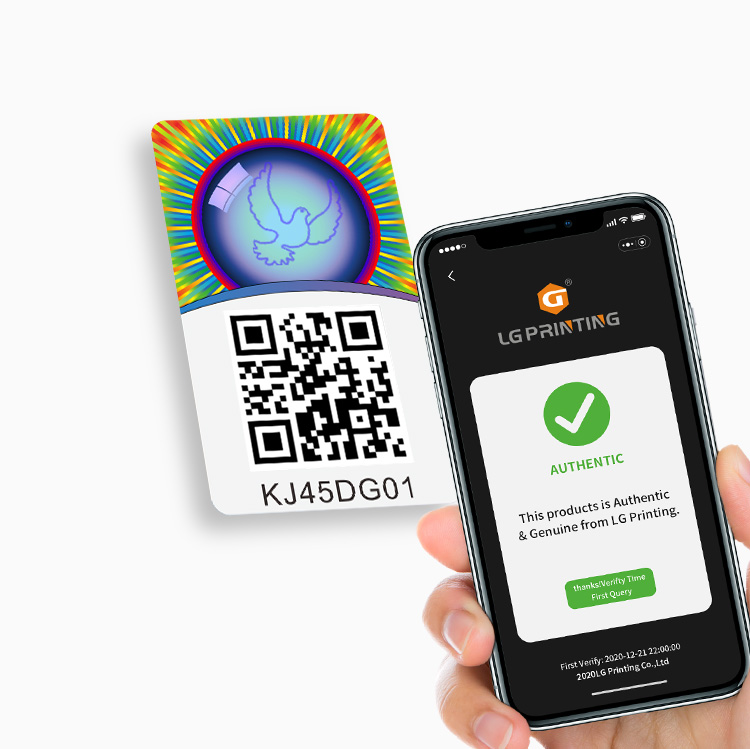
In the contemporary global marketplace, the proliferation of counterfeit goods has evolved into a sophisticated, multi-billion-dollar shadow economy that jeopardizes consumer safety, erodes brand equity, and diminishes corporate revenue. From high-end luxury items and intricate electronics to essential pharmaceuticals, the precision of modern replication has made it increasingly challenging for even the most observant consumers to distinguish between authentic products and illicit imitations. This is where qr code authentication serves as a vital technological barrier. By shifting from traditional, static packaging to interactive, cloud-linked digital identity labels, brands can provide an indisputable "proof of origin" that is accessible to anyone with a standard smartphone. At OPOC Solution, we emphasize that true brand protection is not merely about the aesthetics of a label, but about the robust, secure backend infrastructure that validates each individual unit in real time, transforming a simple scan into a comprehensive verification event.
The Mechanism of Serialization: Beyond Simple Replication
The primary vulnerability of traditional, non-serialized QR codes lies in their inherent "static" nature. A basic QR code, often used for marketing, is easily photographed or digitally duplicated by counterfeiters and printed onto thousands of low-quality, fake packaging units.
Leveraging Data Intelligence for Proactive Fraud Detection
The true competitive advantage of modern, secure authentication technology lies in the actionable intelligence harvested during the verification process. Every time an authenticated product is scanned, the OPOC Solution-backed system captures critical metadata, including precise geolocation, timestamp logs, and global scan frequency. This data-driven approach shifts brand protection from a reactive to a proactive stance. For instance, if a specific item’s unique code is scanned in an authorized flagship store in Paris and then, minutes later, scanned at an unauthorized marketplace in another continent, the system instantly identifies this as a potential counterfeit event. By mapping these patterns, brands can visualize "hotspots" of illicit activity in real time. This level of business intelligence allows companies to strategically optimize their supply chain oversight, target investigations effectively, and protect their market share, turning every legitimate consumer engagement into a powerful data point that bolsters the brand's defensive perimeter.
Empowering the Consumer as an Active Defender
One of the most profound shifts in modern brand protection is the move toward radical transparency, which empowers the consumer as the ultimate final arbiter of authenticity. By providing users with the tools to verify their purchases instantly, brands do more than just prevent fraud; they cultivate deep, lasting trust and consumer loyalty. The user experience is designed for simplicity: a quick scan leads to an intuitive, mobile-first verification interface that confirms the product's legitimacy in under a second. This transparency effectively eliminates the skepticism that often accompanies high-value or safety-critical purchases. When consumers feel empowered by a process that is as seamless as using a smartphone camera, they are significantly more likely to engage with the brand’s digital ecosystem. It is this unique combination of user-friendly technology and a rock-solid, data-protected verification backend that establishes QR-based authentication as the gold standard for modern, responsible businesses aiming to safeguard their reputation in a globalized, high-risk economy.