 EN
EN
The Evolution of Modern Logistics and the Demand for End-to-End Visibility
In the contemporary global trade ecosystem, supply chains have expanded into remarkably intricate networks involving multi-tiered international suppliers, complex shipping routes, and sprawling distribution hubs. Historically, businesses relied heavily on traditional linear logistics methods and conventional linear barcodes to manage inventory movement and storage. However, these legacy systems frequently create severe operational blind spots, making it exceptionally difficult to trace product journeys accurately from origin to destination. This structural limitation is precisely where advanced qr code tracking introduces a vital, transformative shift. By seamlessly bridging physical merchandise with sophisticated cloud-based digital infrastructure, modern enterprises can achieve granular, real-time visibility across every single stage of the supply chain lifecycle. At OPOC Solution, we recognize that true supply chain resilience begins at the foundational level with accurate, automated data collection at the individual item tier, ensuring that every physical movement from the initial warehouse floor to the final retail shelf is fully visible, entirely verifiable, and dynamically manageable.
Overcoming Supply Chain Blind Spots Through Advanced Item-Level Serialization
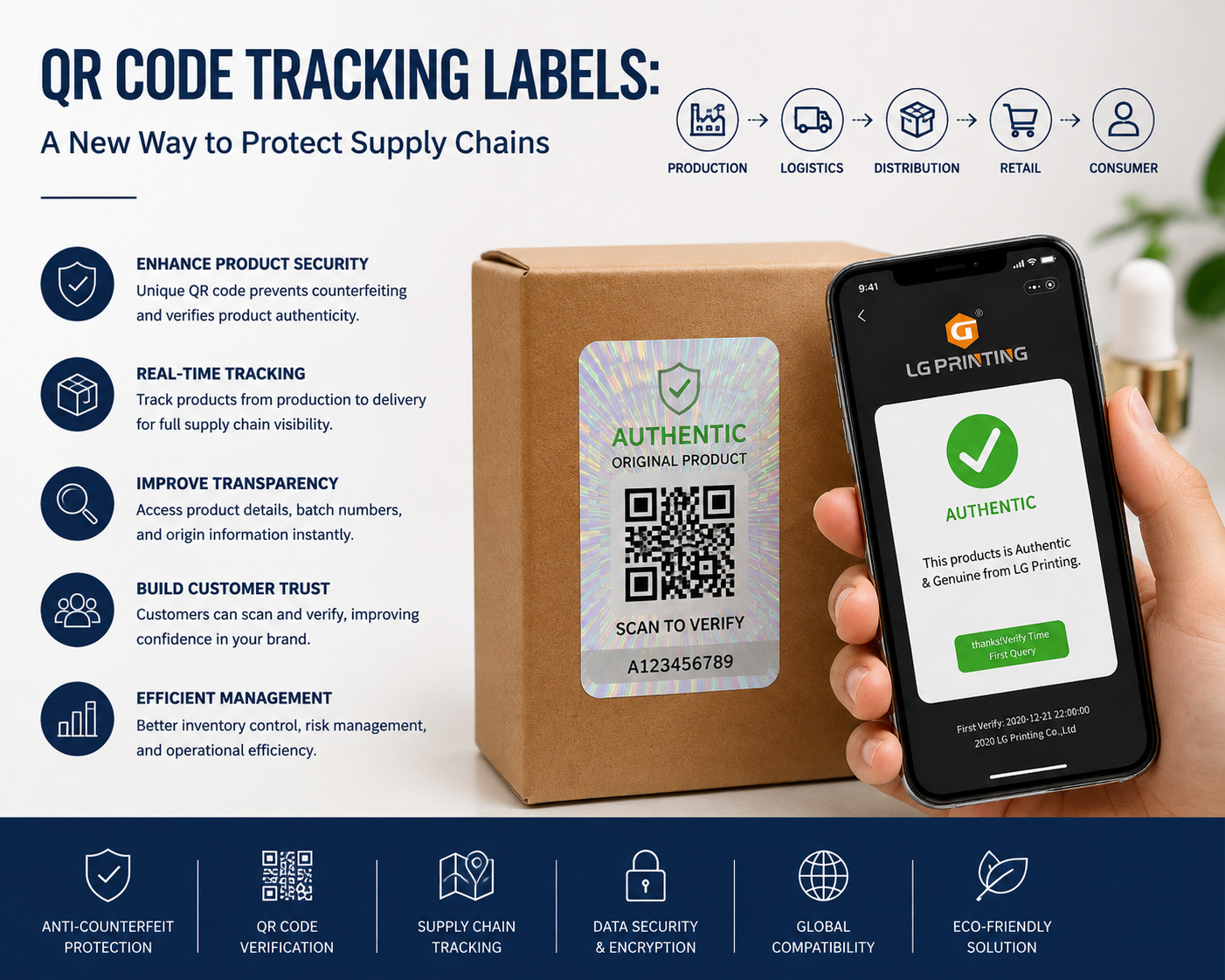
Standard linear barcodes possess an inherent structural flaw: they only identify a generic product category or a broad manufacturing batch, meaning that thousands of individual physical items share the exact same identifier. When an unexpected supply chain disruption, transit delay, or inventory discrepancy occurs, hunting down the exact root cause transforms into an expensive, time-consuming guessing game. Implementing comprehensive qr code tracking fundamentally alters this operational dynamic by transitioning organizations away from clumsy batch-level tracking toward unique item-level serialization. In this advanced framework, each manufactured product is assigned a distinct, dynamic digital code that links directly to a secure, centralized database. When warehouse personnel, third-party logistics handlers, or retail distribution partners scan this code at checkpoints along the transit route, the backend system automatically logs precise timestamps, precise geographic locations, and handling metadata. This continuous stream of granular qr code tracking data eliminates operational ambiguity, empowering supply chain managers to pinpoint logistical bottlenecks, immediately flag unauthorized product diversions, and verify physical inventory counts instantly without disrupting normal, fast-paced workflow efficiency.
Driving Operational Efficiency and Absolute Inventory Accuracy
Efficient warehouse management, rapid order fulfillment, and tight inventory control serve as the primary operational backbone of any profitable, high-performing supply chain enterprise. Operating without real-time, actionable data frequently forces companies to suffer from chronic overstocking, unexpected stockouts, or misplaced shipments, all of which directly drain corporate financial resources and damage client relationships. Integrating robust qr code tracking protocols significantly optimizes warehouse execution systems by streamlining stock-in registration, precise item picking, secure packing, and final dispatch procedures. Warehouse operators can utilize standard smartphones or ruggedized industrial scanners to update inventory statuses instantaneously with a simple tap. Furthermore, because modern qr code tracking links directly into comprehensive enterprise backend software, inventory levels update dynamically across the entire corporate network in real time. This technological integration minimizes human error, reduces manual data entry administrative overhead, and guarantees that executive decision-makers always possess accurate, up-to-the-minute stock metrics necessary for precise demand forecasting and intelligent resource allocation.
Building Ecosystem Trust and Regulatory Accountability
Modern supply chain management has evolved far beyond simply moving physical goods efficiently from point A to point B; today, it is fundamentally intertwined with corporate accountability, environmental sustainability, and rigorous consumer trust. B2B stakeholders, regulatory compliance bodies, and end-use consumers increasingly demand absolute transparency regarding product origin, ethical material sourcing, and secure handling integrity throughout transit. By deploying end-to-end qr code tracking, brands can construct an unalterable, transparent audit trail that comprehensively documents an item's entire lifecycle. If an unexpected quality defect arises or a mandatory regulatory compliance audit is suddenly triggered, companies can instantly trace affected items back to their exact manufacturing batch, specific machinery, and complete transit history. This high level of traceability not only protects vulnerable brand reputation and drastically mitigates expensive recall costs, but it also fosters profound confidence among business partners and conscious consumers alike, firmly establishing qr code tracking as an indispensable strategic asset for future-proof, transparent businesses navigating today's competitive global markets.