 EN
EN
Core Principles of Product Authentication Technology
Unique Digital Fingerprints and Multi-Layered Encoding
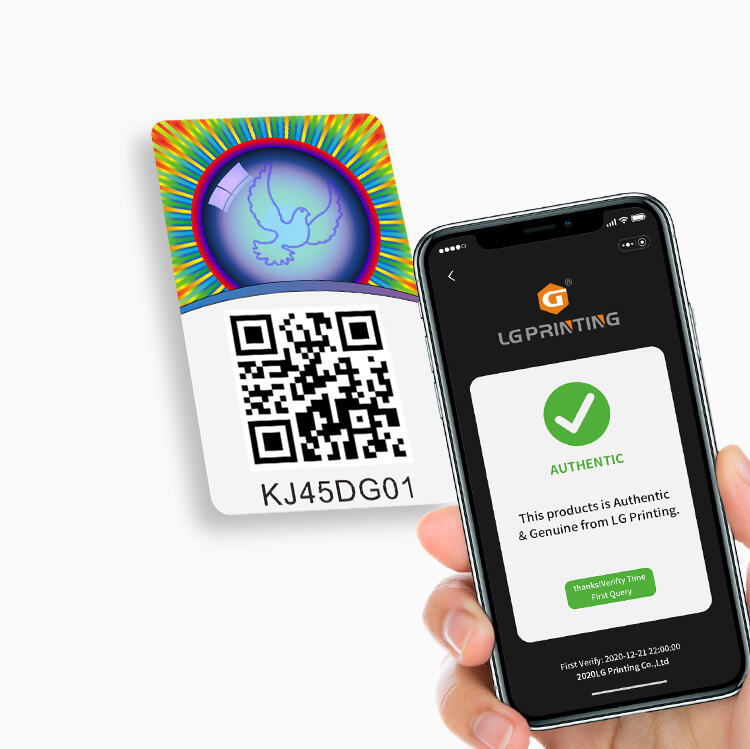
Modern product authentication centers on assigning each item a unique digital fingerprint—generated through multi-layered encoding that fuses visible and invisible security features. Unlike static serial numbers, these fingerprints embed cryptographic integrity, making them verifiable and tamper-proof. This transforms everyday products into traceable assets resistant to forgery. Leading solutions combine physical elements—such as proprietary inks, micro-optics, or holograms—with digital technologies like QR codes or NFC chips. The layered architecture ensures redundancy: if one feature is compromised, others remain intact to uphold authenticity. This integrated defense forms the foundation of today’s most effective anti-counterfeiting strategies, enabling verification by consumers and supply chain stakeholders alike—via smartphone scan or dedicated reader.
Why Static Labels Fail: The Shift to Dynamic, Cryptographically Secured Identifiers
Static labels—holograms, barcodes, printed serial numbers—are increasingly ineffective against counterfeiters equipped with high-resolution imaging and mass-printing capabilities. Their core weakness is unchanging data: once copied, fakes are indistinguishable from genuine items. In response, the industry has pivoted to dynamic, cryptographically secured identifiers. These use encryption algorithms to generate time- or event-based verification tokens—each scan produces a unique, non-replicable response. Every authentication attempt is logged, allowing brands to detect anomalies such as repeated scans from unusual geolocations or mismatched device fingerprints. Crucially, this enables real-time, consumer-initiated verification without backend delays. By replacing passive labels with active, cryptographic systems, brands disrupt counterfeiting operations and rebuild trust—especially in high-stakes sectors like pharmaceuticals and electronics, where regulatory compliance and safety depend on assured provenance.
Consumer-Facing Product Authentication Methods
Smartphone-Driven Verification: NFC Tap, QR Scan, and Cryptoglyph Decoding
Smartphones have become the universal interface for product authentication—democratizing verification for end users. Near-field communication (NFC) taps deliver instant, secure validation: encrypted data stored directly on the tag resists cloning and supports offline verification, making it ideal for premium and regulated goods. QR codes offer broad accessibility—scanning directs users to a brand-controlled portal displaying verified supply chain history, batch details, and real-time authentication status. Cryptoglyphs—machine-readable, visually concealed patterns embedded in packaging graphics—add a forensic-grade layer: only visible and decodable via a dedicated app, they evade replication by counterfeiters lacking specialized design tools. Together, these methods provide consumers with immediate, intuitive, and tamper-evident confirmation—starting at first touch and extending through ownership.
Security Feature Spectrum: Overt, Covert, and Forensic-Level Product Authentication
Effective product authentication relies on a purpose-built security spectrum spanning three tiers: overt features for instant visual recognition, covert elements requiring simple tools (e.g., UV light or mobile apps), and forensic markers demanding lab-grade analysis. Each tier serves a distinct role in the verification ecosystem—enabling checks at every point of interaction, from retail shelf to regulatory investigation.
Layered Defense Strategy: Combining Holograms, RFID, and Invisible Cryptoglyphs
A resilient authentication system deploys features across all three tiers simultaneously. Holograms act as overt deterrents—their iridescent shifts and parallax motion are instantly recognizable and prohibitively difficult to replicate at scale. RFID tags serve as covert supply chain anchors, allowing logistics teams and auditors to validate provenance and movement history using handheld readers. Invisible cryptoglyphs, printed with proprietary forensic inks, remain undetectable to the naked eye and require proprietary scanners or spectral analysis—making them invaluable for law enforcement investigations and brand-led forensic audits. This tripartite integration creates fail-safe redundancy: even if a counterfeiter replicates one layer, the remaining features expose inconsistencies—ensuring protection remains intact across manufacturing, distribution, retail, and post-sale use.
Consumer Protection and Brand Trust Outcomes Enabled by Product Authentication
Safety Assurance in Regulated Sectors: Pharmaceuticals, Electronics, and Luxury Goods
In highly regulated industries, authentication is not just about brand protection—it’s a public safety imperative. Counterfeit pharmaceuticals may contain toxic fillers or subtherapeutic dosages, risking patient harm or death. Fake electronics often bypass UL, CE, or FCC certification, introducing fire, shock, or battery-explosion hazards. Luxury counterfeits frequently finance transnational organized crime networks. Cryptographically secured NFC and QR-based systems—backed by immutable verification logs—prevent these illegitimate goods from entering legitimate channels. According to the Ponemon Institute’s 2023 study, each confirmed counterfeit incident costs brands an average of $740,000 in direct recalls, litigation, and reputational damage. More critically, robust authentication ensures compliance with FDA, IEC, and ISO requirements—safeguarding both consumer health and brand accountability.
Restoring Confidence: How Real-Time Verification Reduces Fraud and Supports Post-Purchase Engagement
Real-time, consumer-initiated verification directly undermines counterfeit economics while rebuilding trust. When buyers can confirm authenticity instantly—before purchase or upon unboxing—they reduce demand for fakes and signal confidence in the brand. The Global Brand Protection Report found that brands deploying mobile-first verification saw counterfeit circulation drop by up to 65%. Beyond fraud reduction, this transparency fuels deeper engagement: authenticated purchasers automatically unlock extended warranties, personalized content, and loyalty incentives—turning verification into a value-add experience. For brands, the resulting data stream reveals channel integrity gaps, enabling rapid intervention at fraud hotspots. The outcome is measurable: authenticated buyers demonstrate 32% higher repeat purchase rates, reflecting stronger emotional and functional trust in the brand ecosystem.