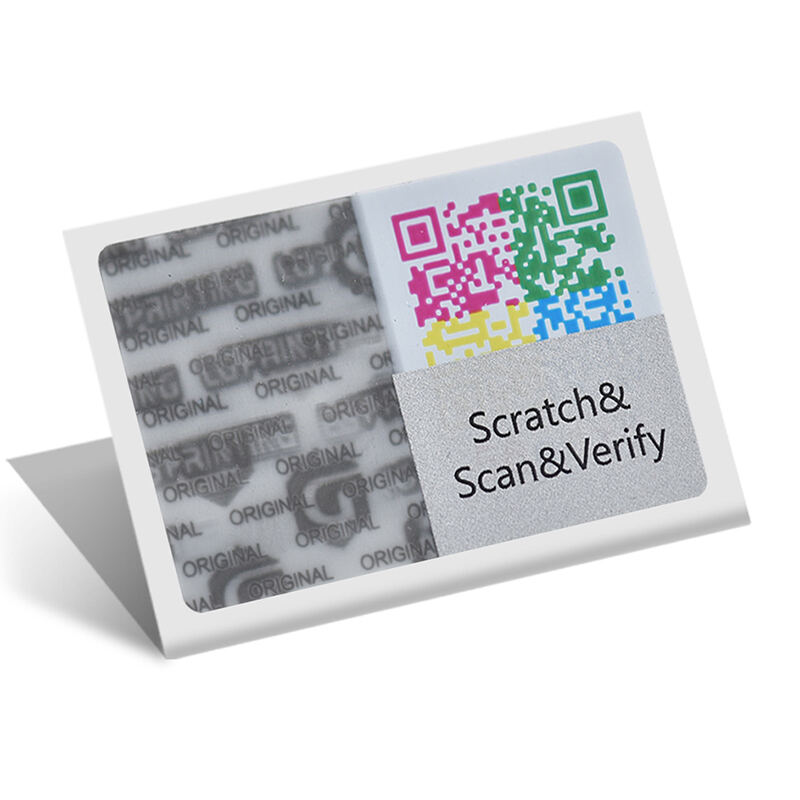
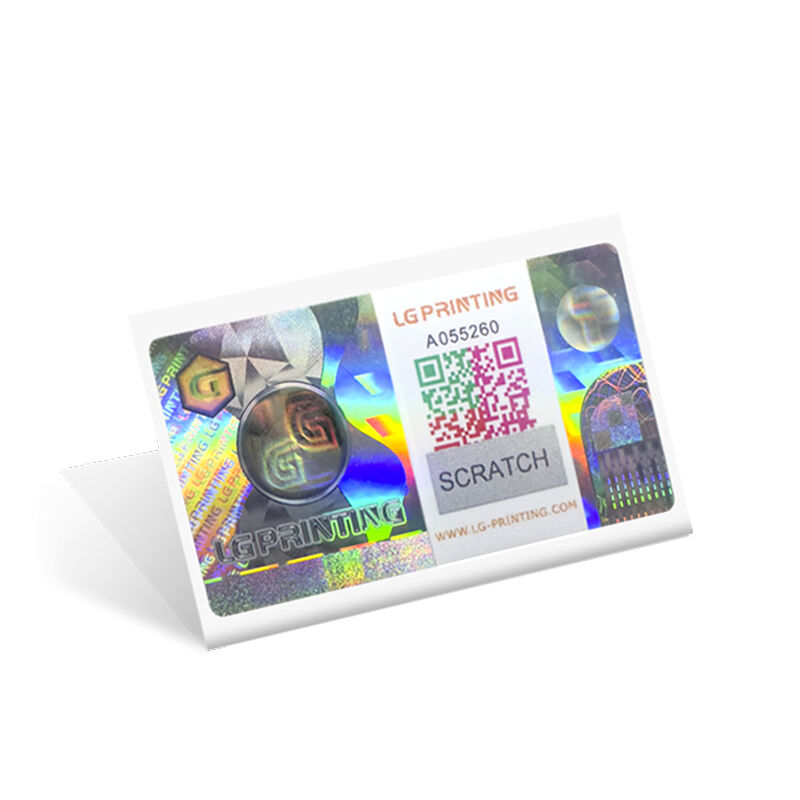
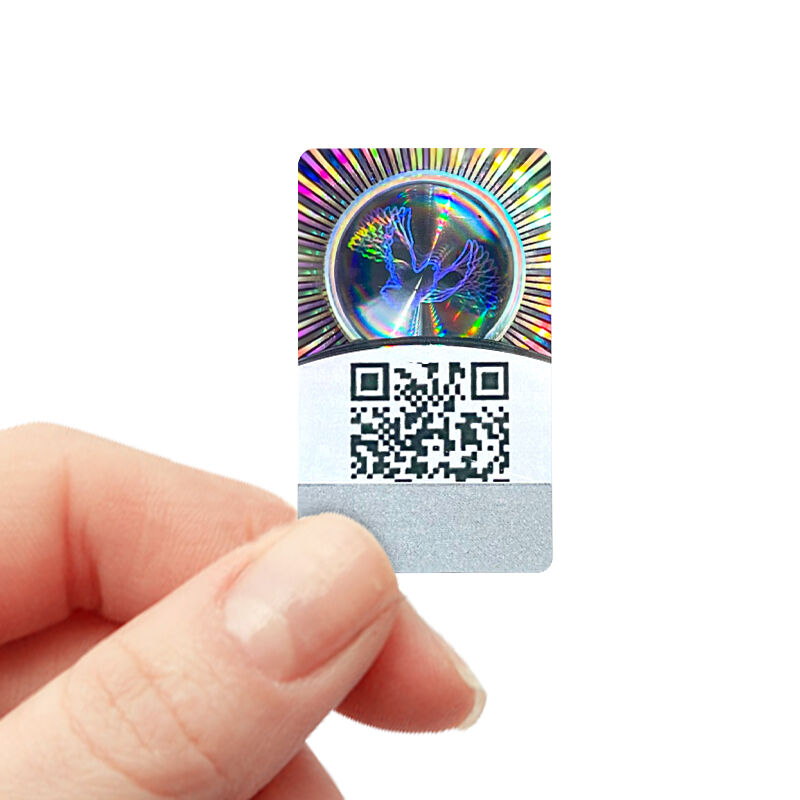
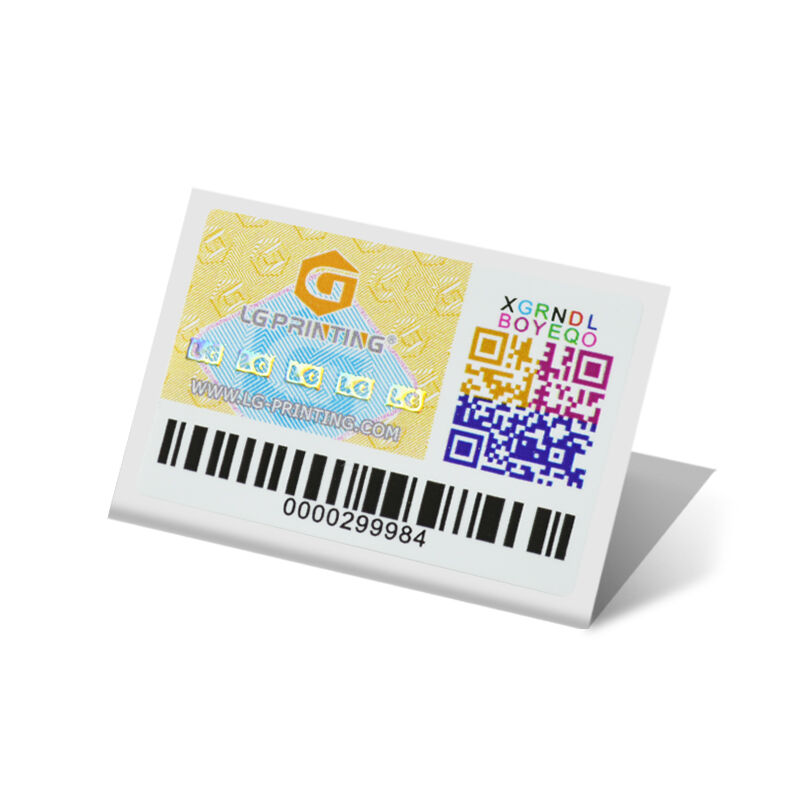
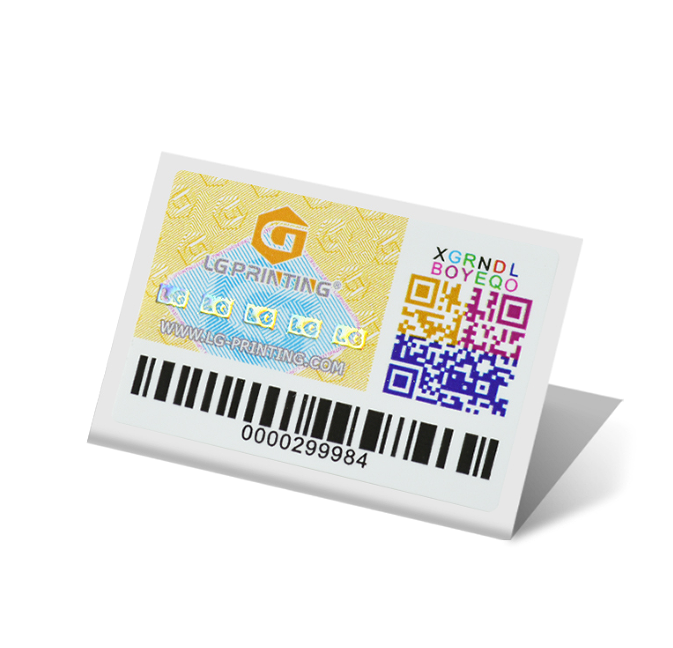
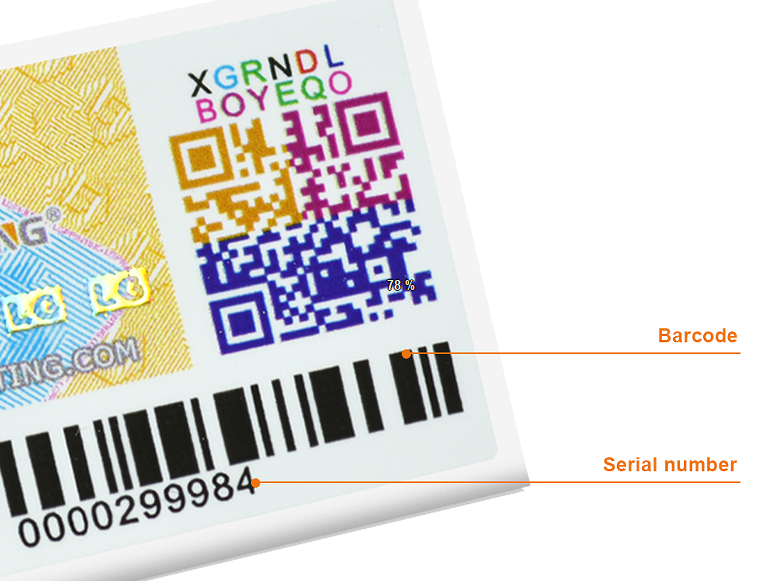
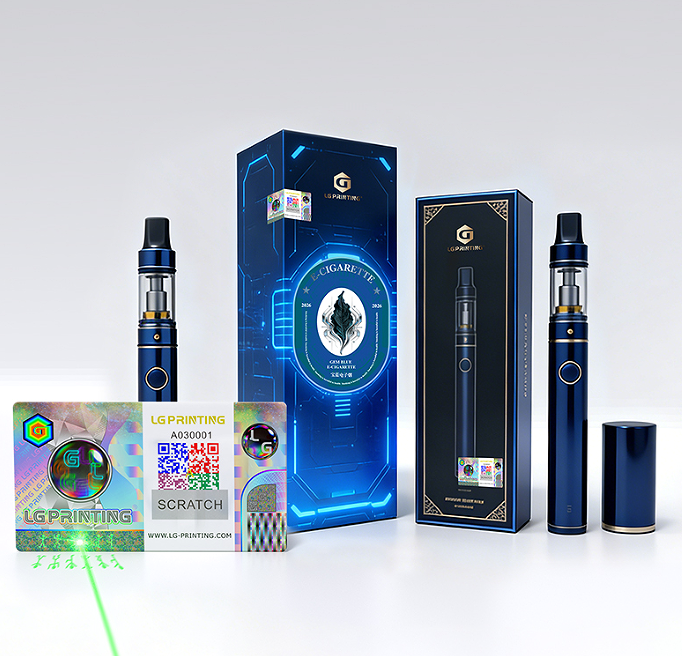
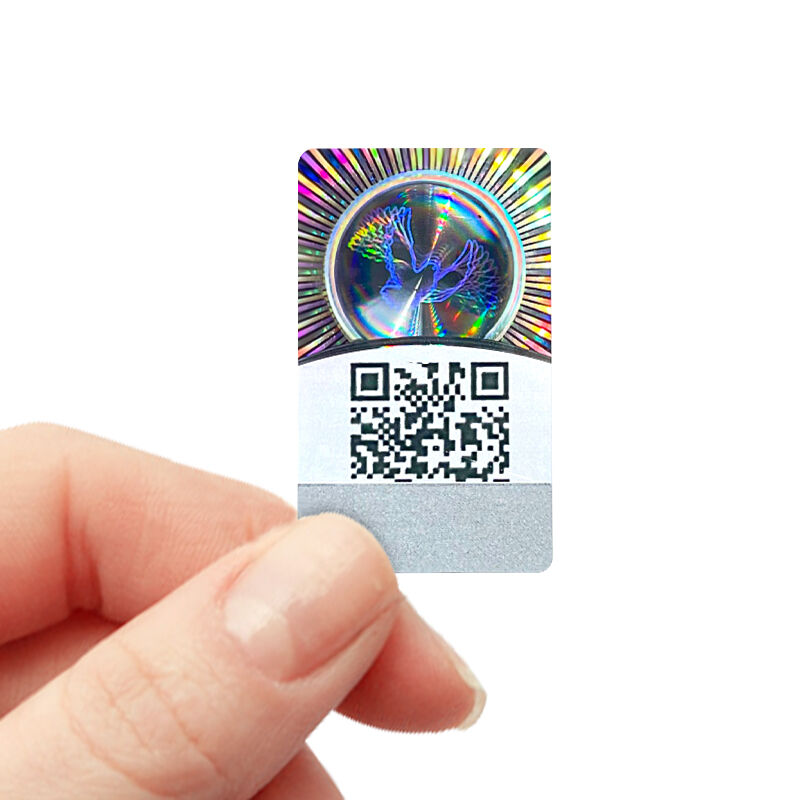
A QR code with analytics is an integrated intelligent coding solution that embeds a real-time data analytics module within a unique anti-counterfeiting QR code, combining the core functions of product authentication, asset tracking, and data collection in a single code. This innovative solution is a key offering of the OPOC brand protection system, designed to deliver end-to-end traceability and data-driven insights for global enterprises, realizing the seamless integration of "one scan for both verification and data collection". Unlike traditional QR codes that only provide basic information or verification functions, a QR code with analytics is encoded with a unique, encrypted data chain that records all interactions from the first scan to the entire life cycle of the product or asset, with all scan data automatically transmitted to the OPOC Track & Trace System for real-time analysis and reporting. Technologically, the QR code with analytics is developed with a combination of micro optical nano imaging technology and hologram sticker printing, which not only achieves high-level anti-counterfeiting—preventing code forgery and tampering—but also ensures the clarity and scannability of the code in various environments, such as cross-border logistics and extreme storage conditions. The code is also embedded with an encrypted verification chip that supports dual verification via smartphone and official website, and the analytics module is designed with low energy consumption and high data transmission speed, ensuring real-time data sync without affecting the user’s scanning experience. The development of this QR code is backed by a one-stop custom printing & package solution, which allows the code to be seamlessly integrated into product packaging, asset labels, and product tags according to the brand’s design and application needs, achieving the integration of printing and intelligent coding functions. In practical application scenarios, the QR code with analytics has been widely adopted by global leading enterprises across multiple industries, creating significant value for their operational optimization and brand protection. In the automotive manufacturing industry, BYD applies the QR code with analytics to auto parts and finished vehicles, where each scan of the code not only verifies the authenticity of the part or vehicle but also collects data on its circulation path, storage time, and logistics node information. The analytics module processes this data to identify inefficiencies in the supply chain, such as prolonged storage at specific logistics nodes, and provides optimization suggestions, which has improved the efficiency of BYD’s global supply chain by over 30%. In the electronics industry, SAMSUNG uses this QR code for finished electronic products, where the embedded analytics module tracks the scan geography and verification time of the code, enabling real-time identification of cross-regional product diversion and unauthorized sales channels. This data is processed into detailed channel analysis reports, helping SAMSUNG strengthen channel control and maintain market order in global sales networks. In the beauty and cosmetics industry, SHISEIDO leverages the QR code with analytics for its high-end beauty products, where consumer scans for anti-counterfeiting verification automatically collect data on consumer location, device type, and scan time. The analytics module analyzes this data to map the regional distribution of target consumers and their anti-counterfeiting query habits, providing data support for SHISEIDO’s targeted marketing and offline channel expansion strategies in different global markets. For the FMCG industry, WOW NATURAL FOODS applies the QR code with analytics to food products, where the analytics module collects scan data related to inventory and logistics, such as the scan frequency of warehouse inventory codes and the scan time of logistics transportation codes. This data is used to accurately predict market demand and optimize inventory and distribution plans, reducing inventory waste and improving the efficiency of fresh food logistics by over 25%. The QR code with analytics is supported by a professional team of 39 employees with rich R&D and printing experience, along with a 1960-square-meter production base that ensures the mass production and custom customization of the code. The solution features strong scalability and future-ready design, allowing enterprises to add more analytics dimensions as their business develops, such as consumer feedback collection, product usage data tracking, and after-sales service data analysis, without modifying the original code structure. Considering the operational needs of global clients from different cultural backgrounds, the QR code with analytics supports multi-language verification and multi-currency data statistics, and aligns with the global QR code migration plan (GM2D) standards, enabling cross-border data interconnection and unified data analysis. It also provides easy-to-understand visualized analytics reports, including real-time data dashboards and periodic business reports, which are designed to meet the data reading habits of enterprises in different regions and industries. Beyond operational optimization, the QR code with analytics is a powerful tool for brand protection. By combining anti-counterfeiting verification with real-time data analytics, it enables enterprises to proactively identify counterfeit product circulation by analyzing abnormal scan behavior, such as a high number of failed verifications in a specific region, and take timely anti-counterfeiting measures. This not only protects consumers from counterfeit products but also safeguards brand reputation and consumer trust in the long term. As a reliable, scalable, and integrated intelligent solution, the QR code with analytics empowers enterprises to achieve digital and intelligent management of products and assets, build high-value digital assets, and gain a sustainable competitive edge in the global market.
 EN
EN