 EN
EN
Základní bezpečnostní vrstvy důvěryhodné nálepkové QR kódy
Kryptografické vázání: dynamické datové části, které se stávají neplatnými při napodobování
Každý nálepka s QR kódem je kryptograficky podepsána jedinečným, dynamickým obsahem – na rozdíl od statických kódů, které padělatelé mohou zkopírovat pomocí kopírky nebo pořídit jejich snímek. Obsah se buď při každém autorizovaném skenování mění, nebo využívá časově omezený token, čímž se stane nepoužitelným, pokud je duplikován a vytisknut jinde. Pokud systém zaznamená identické obsahy skenované ze dvou různých míst nebo zařízení, okamžitě zneplatní původní nálepku a označí produkt jako podezřelý. Toto kryptografické svázání přeměňuje každé skenování na ověření autentičnosti v reálném čase – a umožňuje tak robustní ochranu proti napodobování bez nutnosti aktualizace hardwaru v místě prodeje.
Fyzický návrh upozorňující na porušení integrity: hologramy, mikroperforace a kontrola lepicí vrstvy
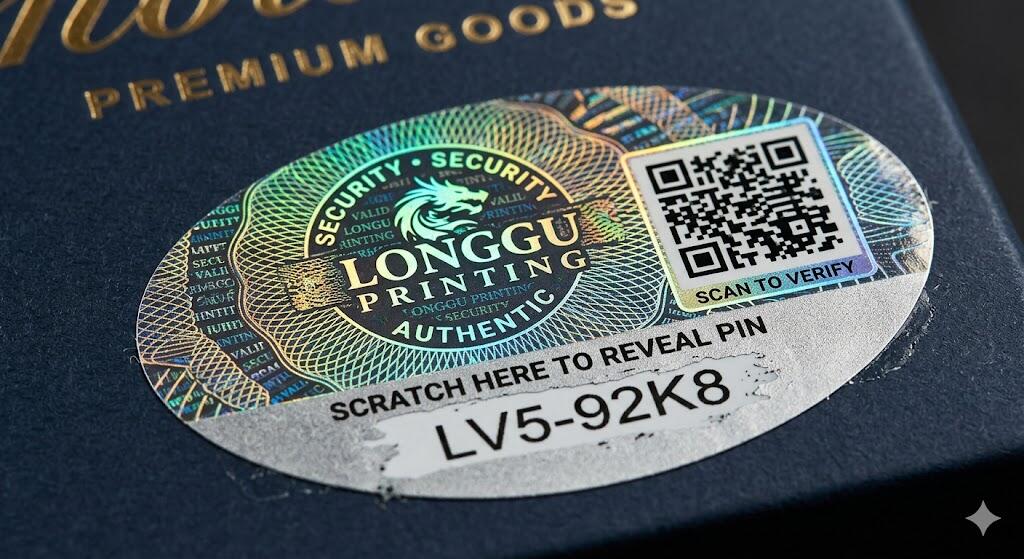
Fyzické bezpečnostní vrstvy posilují digitální integritu. Nálepky jsou tištěny na materiálech, které názorně ukazují případné poškození – například holografických fóliích, které při odstranění zobrazují vzor „VOID“ (NEPLATNÉ) – a jsou vybaveny mikroperforacemi, jež způsobují rozpad nálepky při odlepení. Specializované lepidla zanechávají viditelný zbytek při odstranění, čímž dokazují, že došlo k neoprávněnému zásahu. Tyto prvky brání padělatelům v přenesení originální nálepky na padělaný výrobek. V kombinaci s kryptografickým svázáním vzniká skutečná dvoufaktorová fyzicko-digitální pečeť: vysoce odolná vůči napodobení a okamžitě detekovatelná v případě porušení.
Pracovní postup dvoufaktorového ověřování umožněný nálepkami s QR kódem
Faktor 1: Nálepka s QR kódem jako ověřený token fyzického držení
Nálepka slouží jako ověřený token pro prokázání vlastnictví – první faktor v bezpečném procesu ověřování totožnosti. Po načtení systém ověří její kryptografický podpis, časové razítko a stav ochrany proti manipulaci. Protože každý datový balíček je dynamicky generován a kryptograficky svázán s konkrétní nálepkou, funguje jako důvěryhodné přihlašovací údaje typu „něco, co máte“. Tím se eliminuje závislost na statických kódech, které lze snadno zkopírovat, a zajišťuje se, že ověření mohou iniciovat pouze uživatelé, kteří mají fyzický přístup k autentické nálepce.
Faktor 2: Živá výzva a odpověď prostřednictvím SMS nebo autentizační aplikace
Druhý faktor představuje časově omezenou výzvu. Po úspěšné ověření nálepkového kódu odešle backend jednorázový kód prostřednictvím SMS nebo registrované aplikace pro ověřování. Uživatel musí tento kód zadat v rámci krátkého, předem definovaného časového okna – obvykle 30 až 60 sekund – aby dokončil proces ověření totožnosti. Tento krok potvrzuje kontrolu nad důvěryhodným zařízením nebo telefonním číslem a zajišťuje, že samotné držení nálepky nestačí. Společně tyto dva faktory brání vzdálenému kopírování, zachycení při man-in-the-middle útoku a převzetí účtu prostřednictvím phishingu.
Ověřená prevence padělání: Nasazení QR kódových nálepek v reálném provozu
Sledovatelnost léků: Zavedení QR kódových nálepek společností Pfizer v roce 2023 dosáhlo přesnosti ověření 92 %
V roce 2023 společnost Pfizer nasadila kryptograficky podepsané QR kódové nálepky na vybrané předpisové lékové přípravky, aby posílila sledovatelnost farmaceutických výrobků. Tato iniciativa dosáhla celosvětové přesnosti ověřování 92 % tím, že do každé nálepky vložila jedinečné, časově označené podpisy – což umožňuje okamžitou autentizaci v místech výroby, distribuce a výdeje v lékárnách. Detekce opakovaného skenování v různých geografických oblastech spustila automatické výstrahy v dodavatelském řetězci a urychlila tak vyšetřování podezřelých padělaných šarží. Toto nasazení ukazuje, jak QR kódové nálepky poskytují škálovatelnou a vzájemně kompatibilní ochranu proti padělání – což je zvláště důležité v oblastech s vysokým rizikem, kde integrita výrobku přímo ovlivňuje bezpečí pacientů.
Vyvíjející se hrozbová situace a obranné mechanismy QR kódových nálepek nové generace
Zamezení útokům typu QR relay pomocí časově omezených tokenů a geograficky omezené (geofenced) validace
Útoky pomocí relé QR kódů – kdy útočníci zachytí a přepošlou legitimní požadavky na ověření totožnosti – představují stále rostoucí hrozbu. Systémy nálepek s QR kódy nové generace tyto útoky potlačují prostřednictvím časově omezených tokenů a ověřování založeného na geopohraničení. Časově omezené tokeny generují jednorázové, krátkodobé kódy (např. expirující do ≤15 sekund), čímž se zachycená data stanou zastaralými ještě před tím, než by mohla být znovu použita. Geopohraničení omezuje platné pokusy o ověření totožnosti na předem schválené geografické oblasti – a tak blokuje požadavky pocházející mimo autorizované regiony. Tato dvouvrstvá ochrana zajišťuje, že je vyžadováno jak fyzické držení zařízení, a tak i kontextová přítomnost, čímž účinně neutralizuje útoky založené na relé, aniž by bylo narušeno plynulé uživatelské prostředí.