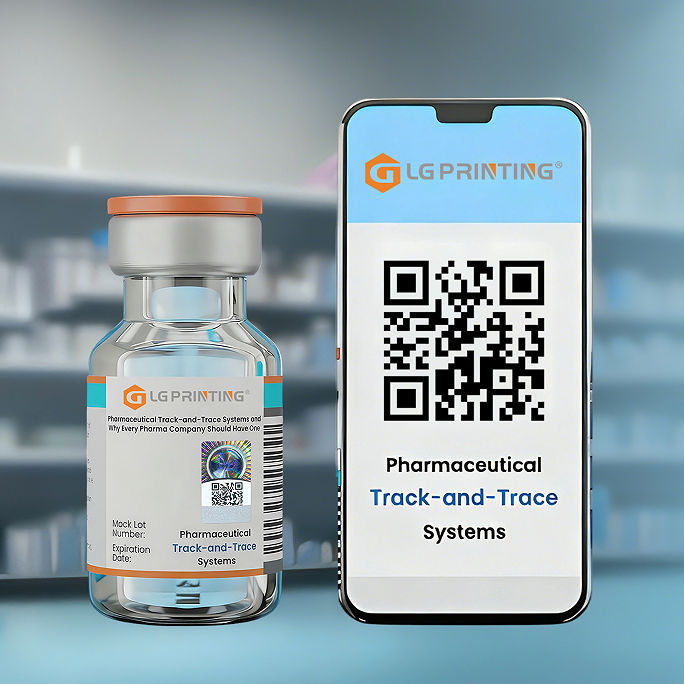
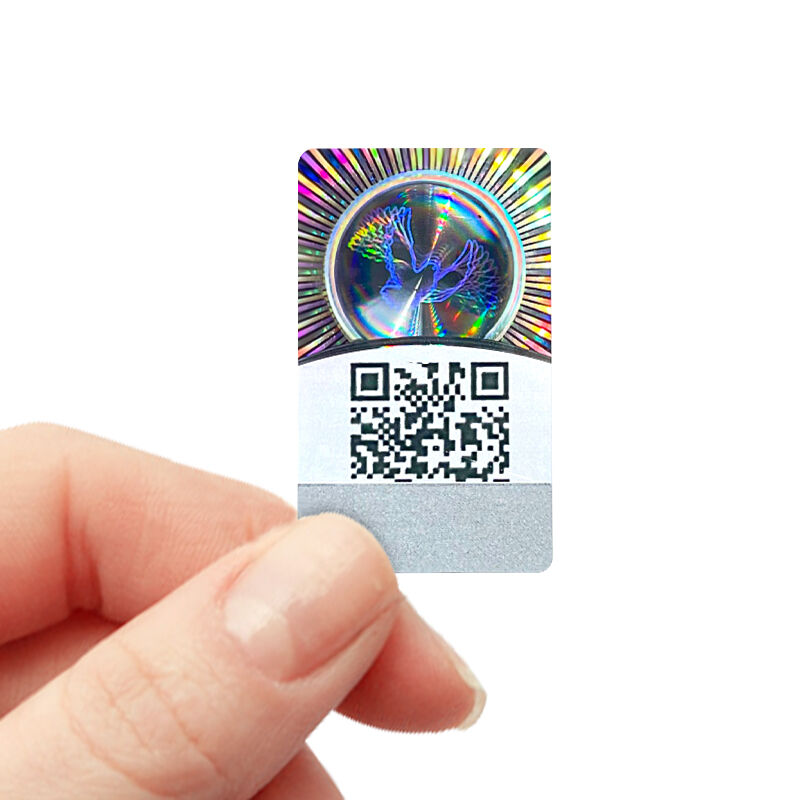
Analytics for QR codes is a data-driven service that extracts, processes, and interprets valuable insights from the massive scan data generated by QR code interactions, serving as a key functional module of the high-tech OPOC Track & Trace System. This solution is engineered to transform raw scan data into actionable business intelligence, enabling enterprises to optimize operational strategies, strengthen channel control, and enhance brand protection. The core of QR code analytics lies in real-time data collection and multi-dimensional analysis, which covers critical metrics such as scan frequency, scan geography, scan device type, scan time, and verification results. All collected data is automatically synced to the cloud platform and processed into easy-to-understand business reports, eliminating the need for manual data sorting and analysis and significantly improving the efficiency of enterprise decision-making. Technologically, the analytics system is built with high-level authentication and anti-counterfeiting technologies, including micro optical nano imaging and encrypted unique code generation, which prevent fake scan data and abnormal verification behavior from interfering with analytical results, ensuring the accuracy and authenticity of data at its source. The system also features strong scalability, allowing for customized analysis dimensions based on the unique needs of different industries and enterprises, such as adding supply chain flow analysis for manufacturing and consumer behavior analysis for the FMCG industry. In practical applications, analytics for QR codes has been proven effective in a wide range of global industry scenarios, delivering tangible value to renowned partners. In the automotive manufacturing industry, BYD utilizes QR code analytics to analyze the scan data of component and finished product QR codes, identifying bottlenecks in cross-regional logistics routes and optimizing transportation plans, which has reduced logistics costs by approximately 25% and minimized delivery disruptions in global supply chains. For the electronics industry, SAMSUNG leverages this analytics solution to monitor the scan geography and verification data of finished product QR codes, enabling real-time identification of cross-regional product diversion and unauthorized sales channels, thus strengthening channel control and maintaining market price stability. In the beauty industry, SHISEIDO analyzes the scan data of product anti-counterfeiting QR codes to study consumer query habits and regional distribution of anti-counterfeiting verification, which provides data support for optimizing offline sales channel layout and targeted marketing strategies in different regions. For the FMCG industry, WOW NATURAL FOODS uses QR code analytics to process inventory and logistics scan data, accurately predicting market demand and optimizing stock levels, which has reduced inventory backlog by over 20% and improved order management efficiency. Beyond operational optimization, analytics for QR codes plays a crucial role in brand protection and anti-counterfeiting. By analyzing abnormal scan behavior—such as a sudden surge in anti-counterfeiting verifications in a specific region—the system can alert enterprises to potential counterfeit product circulation in that area, enabling timely brand protection measures such as market inspections and anti-counterfeiting promotions. This proactive anti-counterfeiting approach effectively curbs the spread of counterfeit products and protects brand reputation. The development and operation of the QR code analytics system are supported by a professional team with 5 years of R&D experience and 7 years of printing experience, which ensures the system’s stability, compatibility, and continuous iteration. Considering the reading and usage habits of clients from different cultural backgrounds, the system provides multi-language data reports and visualized data dashboards (including charts and graphs), making it easy for global enterprises to interpret and apply analytical results without language barriers. The analytics solution also aligns with the global QR code migration plan (GM2D) standards, supporting cross-border data interconnection and unified data statistics, which is suitable for the international business layout of global brands. For enterprises, analytics for QR codes is not only a tool for optimizing daily operations but also a foundation for building digital assets. The credible and valuable data generated by the system can serve as a basis for enterprise digital transformation, financing, and insurance businesses, driving enterprises to achieve data-driven decision-making and sustainable development. Whether for supply chain optimization, channel control, consumer behavior analysis, or brand protection, analytics for QR codes provides a comprehensive, professional, and future-oriented data service that empowers enterprises to gain a competitive edge in the digital era.
 EN
EN