QR Asset Tracking for Anti-Counterfeit Security [B2B]

All Categories

QR Asset Tracking – Secure Lifecycle Management

We offer qr asset tracking for capital equipment, returnable packaging, and high‑value tools. Our tags combine the durability needed for industrial use with the same anti‑counterfeit technology we apply to product labels. Each asset receives a permanent digital identity, allowing you to track location, maintenance schedules, depreciation, and custody changes. This reduces asset loss, simplifies audits, and ensures that only verified, authentic assets are deployed across your operations.
Get A Quote

Advantages of the product

Real-Time Authentication with Location Alerts

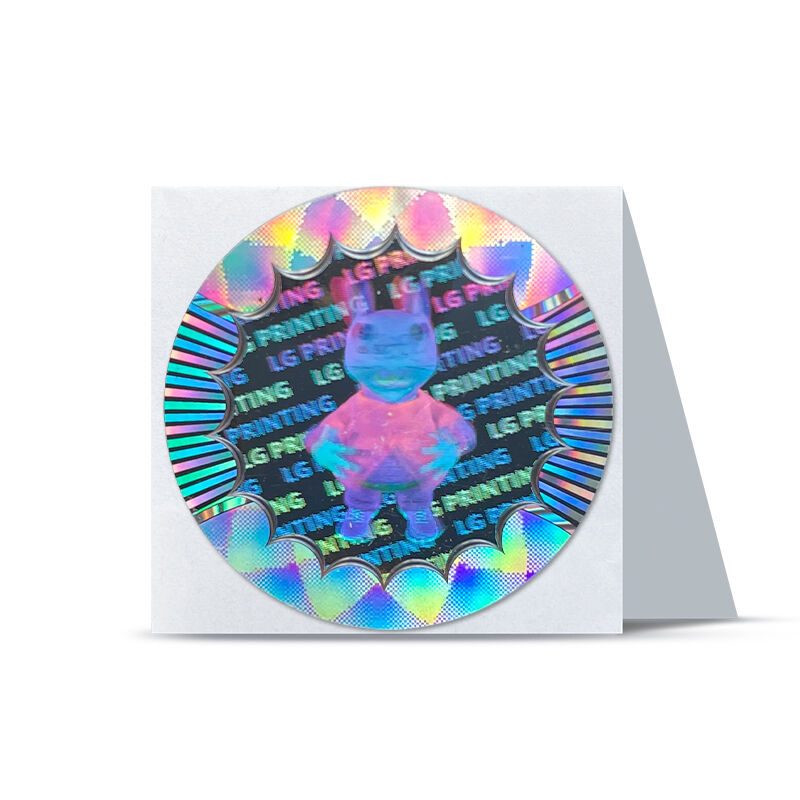
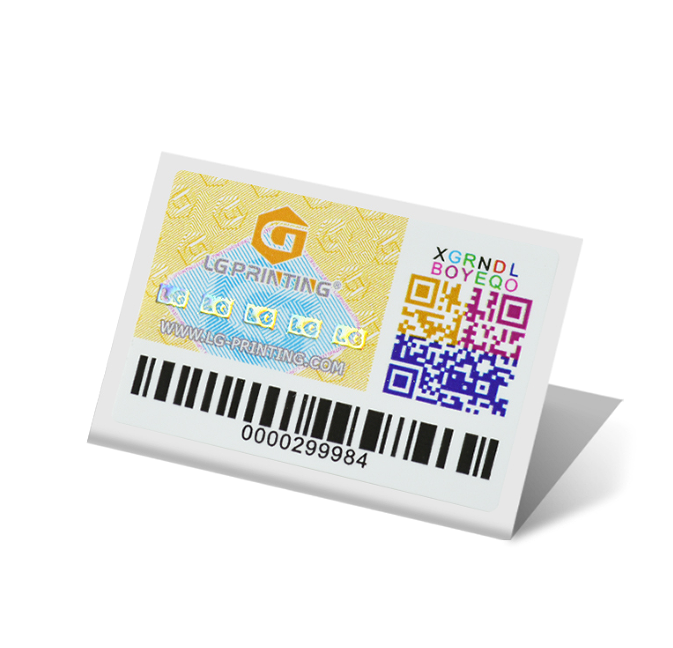
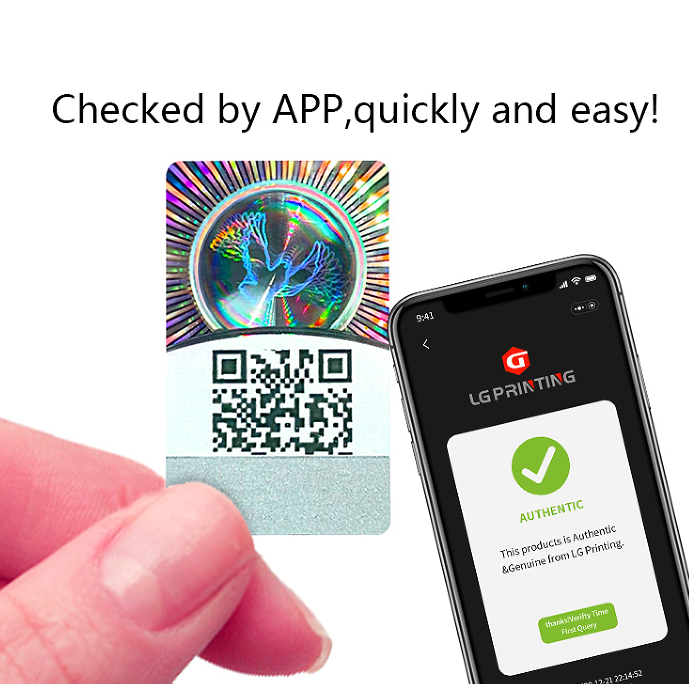
Each scan of a QR code instantly verifies product genuineness against a secure cloud database. The system records the timestamp and GPS coordinates of every scan. If a genuine code is scanned in an unexpected region or multiple times, an alert is sent to the brand owner. This real‑time feedback loop stops counterfeit distribution before it spreads. For example, a luxury watch brand detected fake products appearing in three new cities within 24 hours. The combination of 3D holograms and QR tracking creates two independent security layers. Even if a hologram is copied, the encrypted QR signature remains unbreakable. Consumer trust increases because buyers actively participate in protecting the brand. Manual inspection costs drop by 70% while counterfeit interception rates rise sharply.

Consumer Engagement After Authentication

Beyond verification, each QR scan opens a direct marketing channel. After confirming product genuineness, consumers are redirected to a customized landing page showing loyalty rewards, warranty registration, or usage tips. Each scan is linked to that specific unit’s lifecycle, allowing brands to track when a product is first opened. For high‑value items, “first scan” alerts can indicate potential leaks if a code is scanned before the expected sale date. Conversely, unsold genuine products can trigger follow‑up campaigns. This feature increases consumer engagement rates by 40–60% while collecting valuable usage data. Our QR labels are printed with durable materials, surviving cold chains and outdoor storage. Brands see higher repeat purchases and direct customer feedback.

Unit-Level and Batch-Level Traceability

QR code tracking operates at two granularities. Batch‑level tracking assigns the same code pattern to a production run, ideal for fast‑moving consumer goods. Unit‑level tracking gives each individual item a unique, non‑replicable code, perfect for pharmaceuticals, electronics, and luxury goods. Our proprietary algorithm generates codes with error correction and checksum features, ensuring zero duplication across billions of units. The system links each code to production data: date, line, operator, raw material batch, and quality test results. When a customer scans a product, they see not just “genuine” but also a summary of its manufacturing pedigree. For recalls, we identify exactly which units were distributed to which retailers within seconds. This reduces recall costs by up to 80% and satisfies regulatory requirements.

Related products

QR asset tracking is an intelligent asset management solution that uses unique scannable QR codes to track and manage physical assets throughout their entire life cycle, from procurement and installation to usage, maintenance, and disposal, developed by OPOC Solution to address the pain points of traditional asset management such as low efficiency, poor traceability, and inaccurate data, combining LG Printing’s precision QR code printing technology and OPOC’s R&D in cloud-based asset management systems. This solution transforms the way enterprises manage their assets by digitizing asset information and enabling real-time tracking and data update through QR code scanning, significantly improving asset management efficiency and accuracy, and reducing operational costs associated with asset management. The core of QR asset tracking is the unique QR code assigned to each physical asset, which acts as the asset’s digital identity card. The QR code is printed using LG Printing’s micro-optical nano-technology and next-generation imaging solutions, ensuring high scannability, durability, and anti-counterfeiting performance. It can be made into waterproof, oil-proof, scratch-resistant, and high-temperature-resistant stickers or tags, suitable for various asset types and usage environments, including production machinery, office equipment, logistics tools, fixed assets, and high-value equipment. The QR code encodes core asset information such as asset name, model, serial number, purchase date, purchase price, and responsible person, and it is linked to a cloud-based asset management platform that stores comprehensive asset data including maintenance records, usage history, location changes, and depreciation status. Authorized personnel can scan the QR code via smartphone or professional scanning device to view the asset’s detailed information, update its status in real time (e.g., maintenance records, location change), and conduct asset inventory and inspection, eliminating the need for manual data entry and paper-based record-keeping, and ensuring the accuracy and timeliness of asset data. The cloud-based asset management platform of the QR asset tracking solution supports real-time data synchronization and multi-user access, enabling enterprise managers and relevant personnel to access asset data anytime and anywhere, and providing a centralized asset management hub for enterprises with multiple branches or global operations. The platform also features real-time abnormal status alerts—when an asset is moved to an unauthorized location, or its maintenance cycle is due, the system will send an automatic alert to the relevant responsible person, enabling timely intervention and ensuring the safe and efficient use of assets. The platform also generates comprehensive asset data analysis reports, including asset utilization rate, maintenance cost analysis, depreciation statistics, and asset inventory reports, providing data support for enterprise asset management decisions and optimizing asset allocation and utilization. QR asset tracking has been successfully applied to asset management for OPOC’s global partners, including BYD’s production equipment management, Samsung’s electronic component warehouse asset management, Shiseido’s retail store fixed asset management, and WOW Natural Foods’ food processing equipment and logistics vehicle management, with remarkable results in improving asset management efficiency and reducing costs. In BYD’s production plants, QR asset tracking is used to manage over 10,000 pieces of production machinery and equipment, where each piece of equipment is labeled with a unique QR code that records its maintenance history, usage status, and maintenance cycle. The maintenance team can scan the code to quickly view the equipment’s maintenance needs and schedule regular maintenance, reducing equipment downtime by over 50% and improving production efficiency by 40%. In Samsung’s electronic component warehouses, the solution is used to manage storage racks, logistics trolleys, and handling equipment, enabling real-time tracking of asset location and usage status, optimizing warehouse layout and asset utilization rate by 35%. In Shiseido’s global retail stores, the solution is applied to fixed assets such as display cabinets, cash registers, and beauty equipment, allowing store managers and brand headquarters to conduct real-time asset inventory and check asset status, reducing inventory time by over 60% and improving inventory accuracy to over 99%. In WOW Natural Foods’ food processing plants, the solution is used to manage food processing equipment and cold chain logistics vehicles, tracking equipment maintenance records and vehicle usage status, ensuring the normal operation of production and logistics, and reducing maintenance costs by 25%. Functionally, QR asset tracking system offers a range of powerful features for enterprises, including real-time asset tracking and location monitoring, real-time asset data update, automatic maintenance cycle alerts, asset inventory and inspection, comprehensive data analysis and reporting, and asset depreciation management. The system optimizes asset allocation by providing accurate asset usage and utilization data, improves asset management efficiency by automating data collection and update, and reduces operational costs by minimizing equipment downtime and improving asset utilization rate. The system also enhances asset security by preventing asset loss and theft—any unauthorized movement of assets can be detected in real time through the system, and the enterprise can take timely measures to recover the assets. OPOC Solution and LG Printing offer one-stop custom printing and customization solutions for QR asset tracking, with the ability to customize the QR code’s design, printing material, embedded asset information, and data update authority according to the enterprise’s specific asset types and management needs. Our professional team of 39 employees with rich experience in asset management and QR code printing can provide personalized design and technical support for enterprises, from QR code design and printing to system integration and operation training. The solution is scalable, supporting the asset management needs of small and medium-sized enterprises as well as large multinational corporations with a large number of assets, and it can be integrated with the enterprise’s existing ERP, financial management, and maintenance management systems for seamless data synchronization. The solution is also future-ready, with continuous R&D to integrate emerging technologies such as IoT and AI, enabling the system to automatically collect asset usage data through IoT sensors and predict equipment failure through AI analytics, further improving the automation and intelligence of asset management. For enterprises looking to implement a modern and efficient QR asset tracking solution to optimize asset management, reduce operational costs, and improve asset utilization rate, please contact our professional team for detailed information on solution customization, implementation steps, and after-sales service.

Common problem

What data can be traced per product using QR tracking?

You can trace manufacturing date, production line, raw material batch, quality results, warehouse entries, distribution route, retail arrival, and final scan location. This creates a complete digital passport from factory to consumer.
Yes. Our system meets FDA DSCSA and EU FMD requirements. Each QR code contains GTIN, serial number, lot number, and expiry date. We provide full audit trails and reporting tools for regulatory inspections.
Deployment takes 1–4 weeks depending on complexity. Small brands can use our web dashboard and a standard printer within one day. Large enterprises with ERP integration typically need 2–3 weeks. Our team provides setup guidance and training.

Related article

How to Select High-Quality Security Labels?

25

Mar

How to Select High-Quality Security Labels?

Understand Core Tamper-Evident Mechanisms in Security LabelsDestructible Materials and Void Film Activation PrinciplesSecurity labels that work well have built-in ways to show if someone has tampered with them. Materials like special vinyl or paper b...
View More
What Hologram Sticker Fits Brand Anti-Counterfeiting?

25

Mar

What Hologram Sticker Fits Brand Anti-Counterfeiting?

How Hologram Sticker Types Differ in Security Level and Authentication Clarity Overt Hologram Sticker Features: 2D/3D, Dot-Matrix, and Kinetic Effects for Instant Visual Verification Hologram stickers that are clearly visible offer quick authenticat...
View More
How to Realize Efficient Product Authentication?

25

Mar

How to Realize Efficient Product Authentication?

Core Product Authentication Methods: Physical, Digital, and HybridProtecting products from counterfeiting requires layered verification strategies. Three primary approaches dominate modern authentication frameworks: physical, digital, and hybrid syst...
View More
How to Build a Practical Track and Trace System?

25

Mar

How to Build a Practical Track and Trace System?

Clarify Business Objectives and Regulatory Requirements Aligning track and trace system goals with KPIs (e.g., recall time reduction, OEE improvement) and compliance mandates (DSCSA, EU FMD, ISO 13485) Setting up a track and trace system means match...
View More

Customer Reviews

Dr. James Okonkwo
Perfect for luxury watch authentication

Each limited‑edition watch now has a unique QR code under the clasp. Customers scan and see assembly date, movement serial number, and previous ownership. The first scan feature prevents second‑hand fraud. We caught a dealer selling used watches as new because the code was activated six months earlier. Tamper‑evident labels make code transfer impossible. ROI came in 4 months from reduced warranty fraud.

Sarah Al-Hashemi
Affordable even for small craft breweries

As a small brewery making 5,000 bottles per month, batch‑level QR codes cost only $0.009 each. Customers scan to see brewing date and food pairings. The anti‑counterfeit feature caught a local bar selling fake “our brand” beer – the QR code didn’t exist in our system, and we filed a police report with scan evidence. Sales increased 30% because drinkers trust authenticity.

Get a Free Quote & Samples

Our representative will contact you soon.
Email
Mobile/WhatsApp
Name
Company Name
Message
0/1000
Offline Verification & Tamper-Evident Design

Offline Verification & Tamper-Evident Design

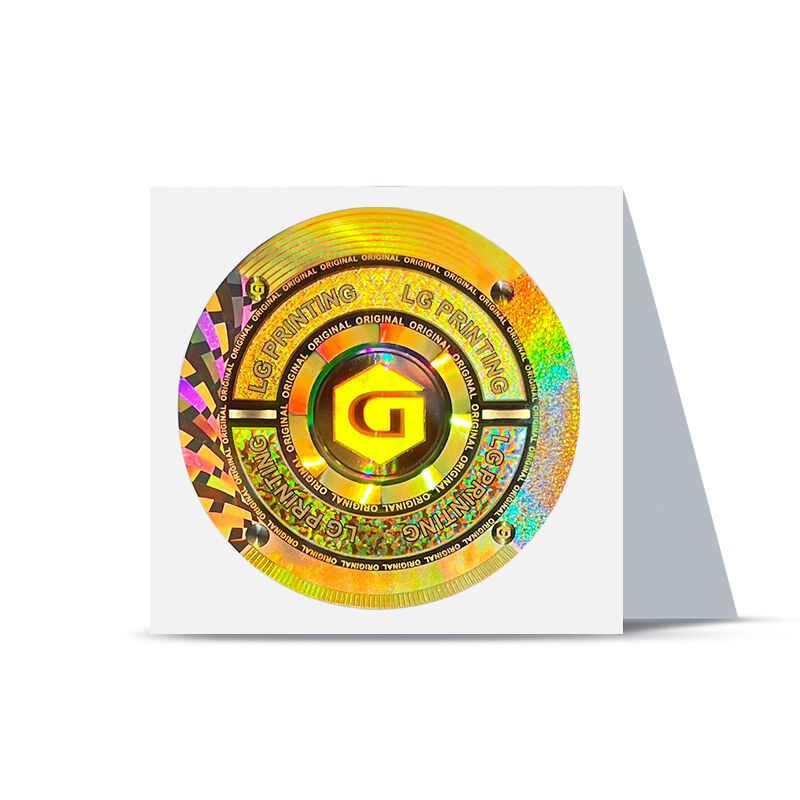
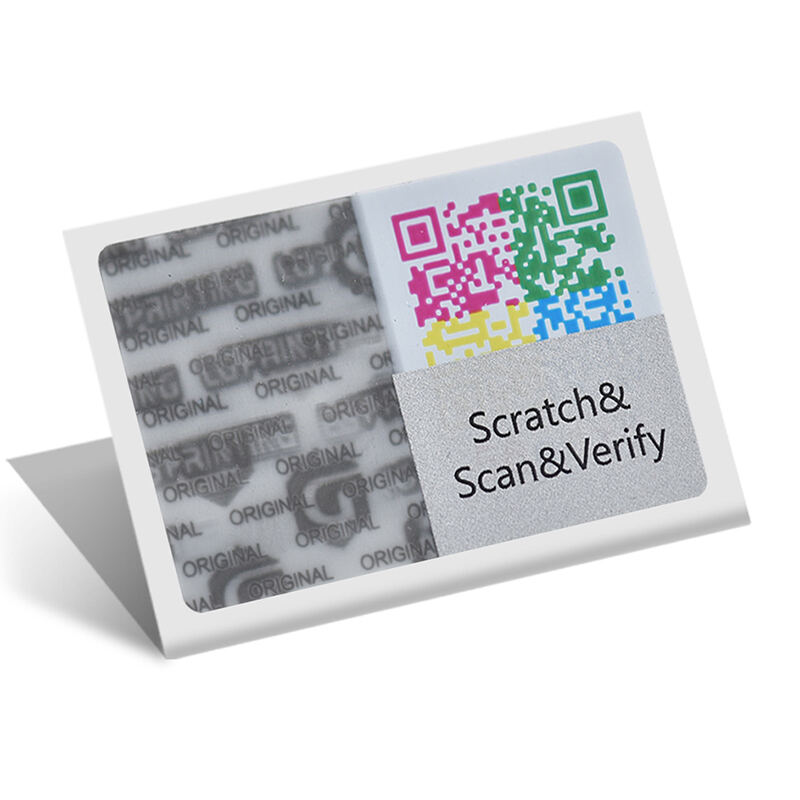
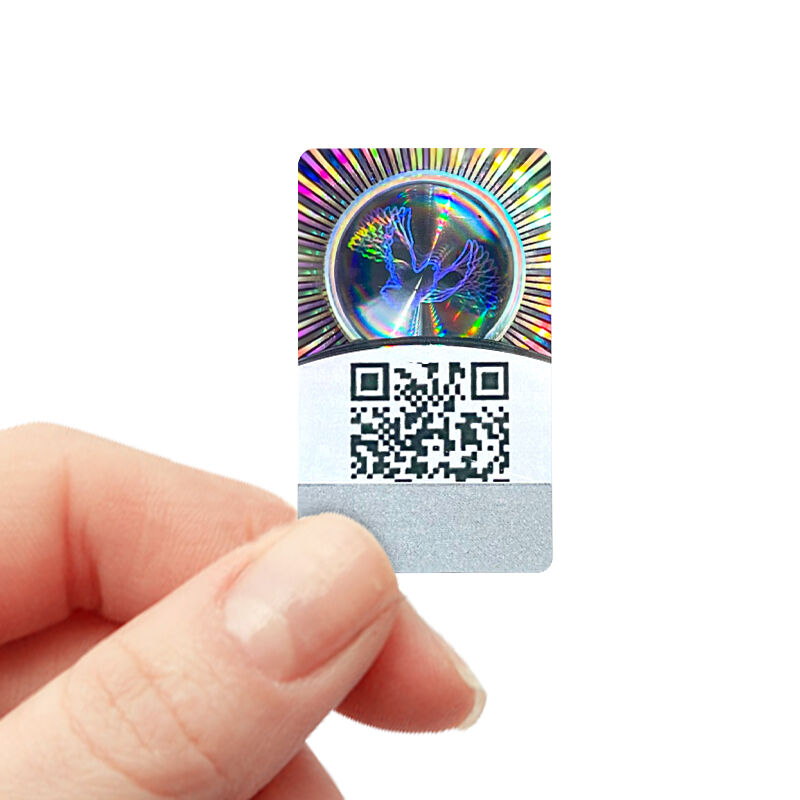
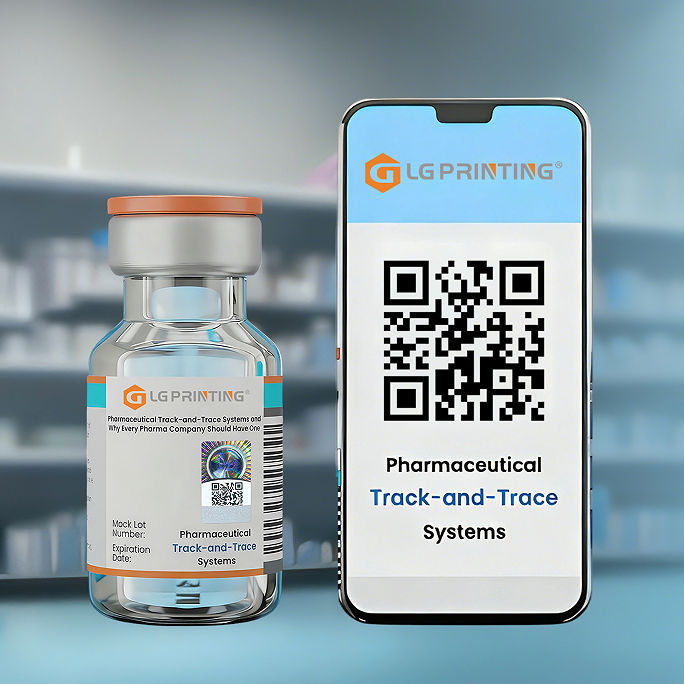
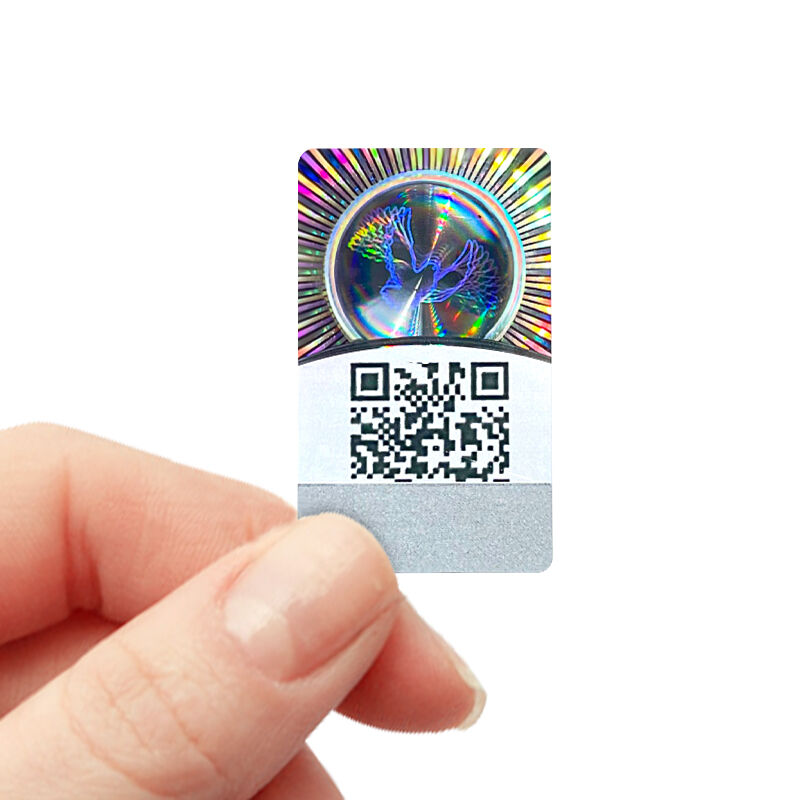
Many QR solutions fail without internet. Our QR codes embed a cryptographic hash that can be partially validated offline using a proprietary mobile app. Even without network, the app checks the code’s structure and visual signature, flagging obvious counterfeits. Once online, full server verification completes. Additionally, each QR label incorporates tamper‑evident materials: peeling attempts leave a visible “VOID” pattern, preventing code reuse. A scratch‑off layer allows one‑time use for sensitive applications like vaccine vials. For high‑risk markets, we offer dual verification where the QR is partially hidden under a holographic foil. Removing the foil to scan destroys the hologram. These physical‑digital synergies make our solution extremely difficult to bypass, even for sophisticated counterfeiters.
Scalable Analytics and Counterfeit Mapping

Scalable Analytics and Counterfeit Mapping

The aggregated data from QR code tracking delivers powerful intelligence. Our cloud‑based analytics engine processes millions of scans to generate actionable insights: geographic heatmaps of counterfeit attempts, time‑series anomaly detection, and consumer sentiment analysis. For example, if multiple users report “taste differs” after scanning a food product, the brand receives an early warning. Automated reports for customs highlight high‑risk shipment routes. A global beverage client identified 12 unauthorized bottling plants within three months, leading to seizures of 2 million fake labels. Dashboards are tailored for CEOs, supply chain managers, and field investigators. QR code tracking becomes not just a tool but a strategic weapon against counterfeiting, providing measurable ROI through reduced losses and faster enforcement actions.

Get a Free Quote & Samples

Our representative will contact you soon.
Email
Mobile/WhatsApp
Name
Company Name
Message
0/1000