Anti-Counterfeit QR Code Solution for Brands

All Categories

Barcode Inventory Tracking – Enhanced with Anti‑Counterfeit Layers

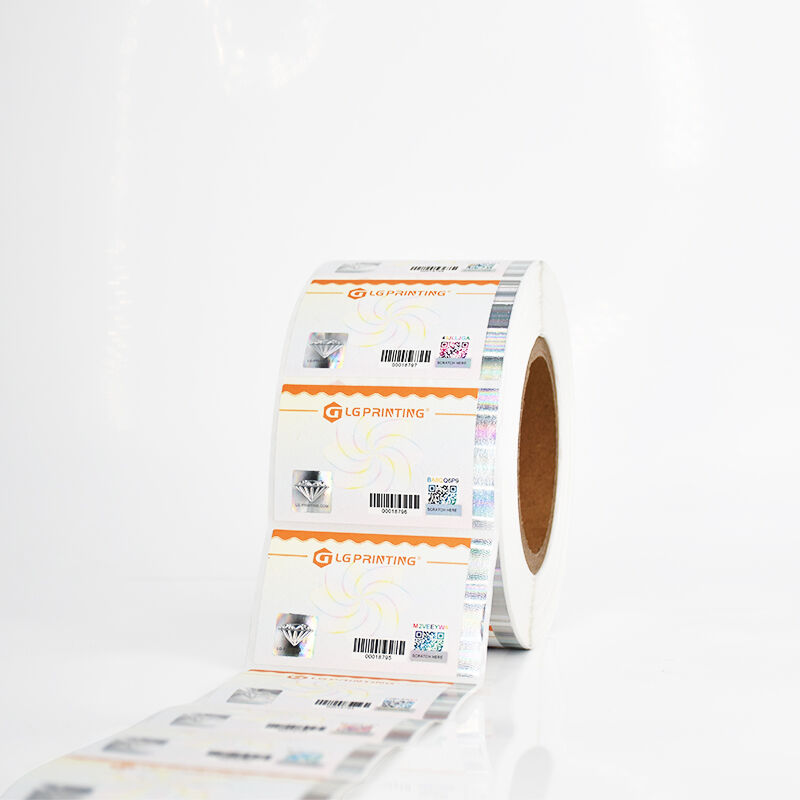
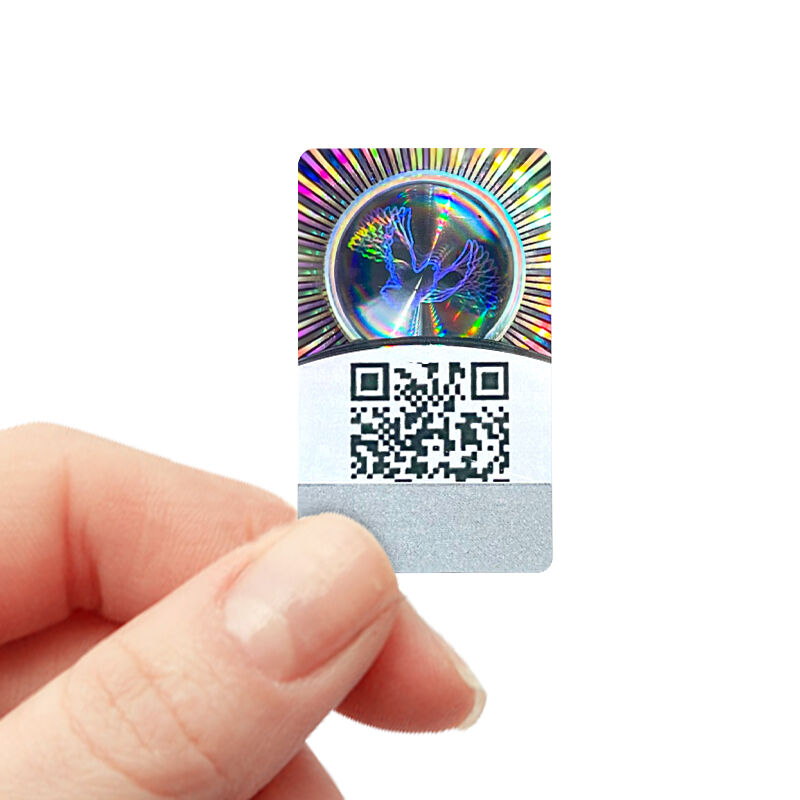
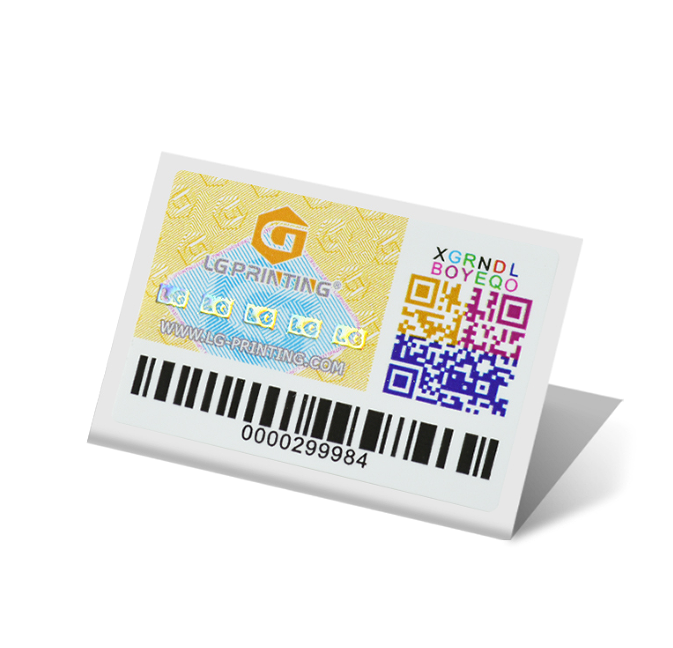
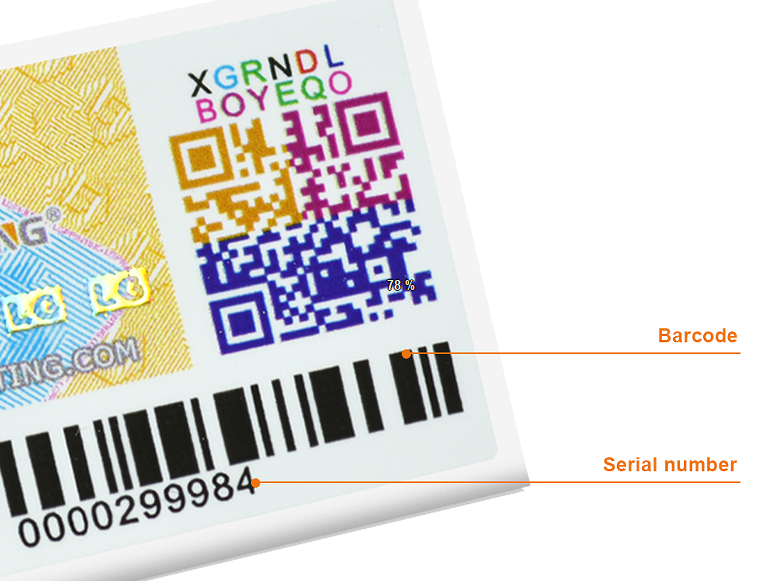
We upgrade traditional barcode inventory tracking by adding forensic security features and digital traceability. Our labels combine standard barcode formats with a secure QR code and tamper‑evident materials. This allows you to continue using existing barcode scanners while gaining new capabilities: authentication verification, consumer engagement, and detailed analytics. It is a cost‑effective way to modernize your inventory systems without disrupting operations.
Get A Quote

Advantages of the product

Real-Time Authentication with Location Alerts

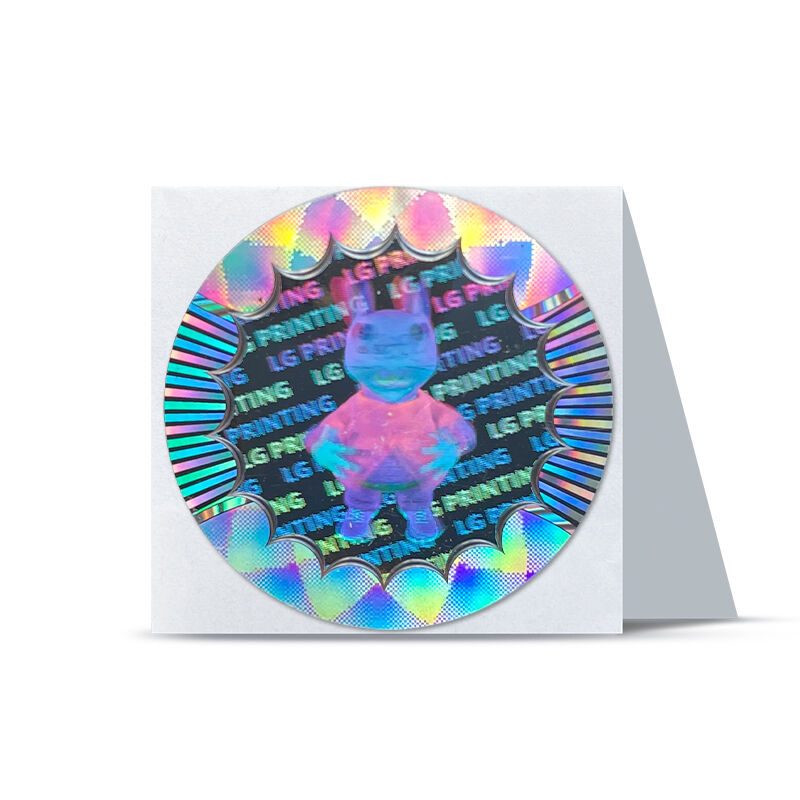
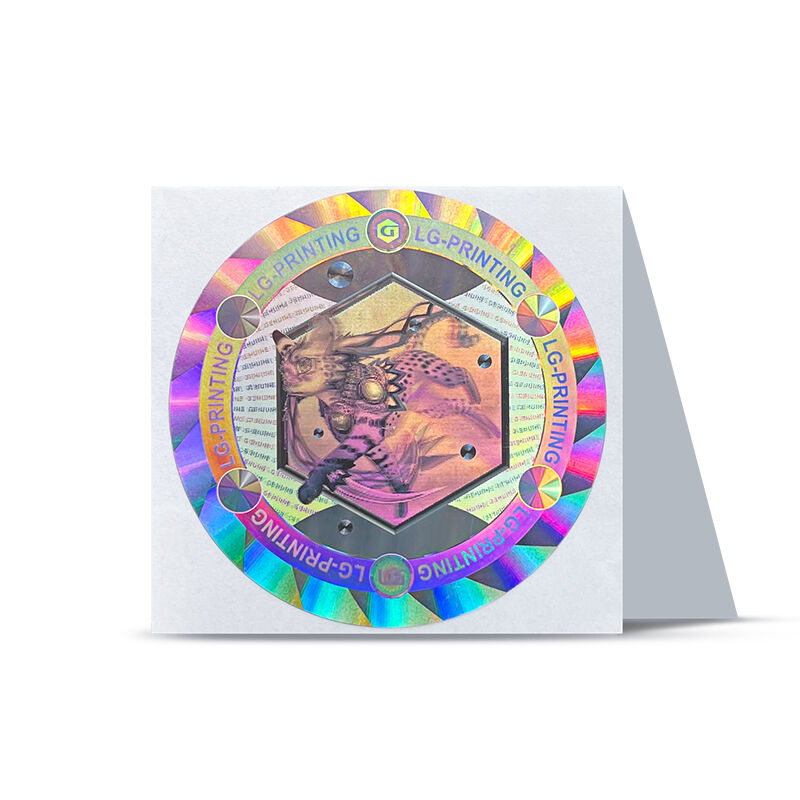
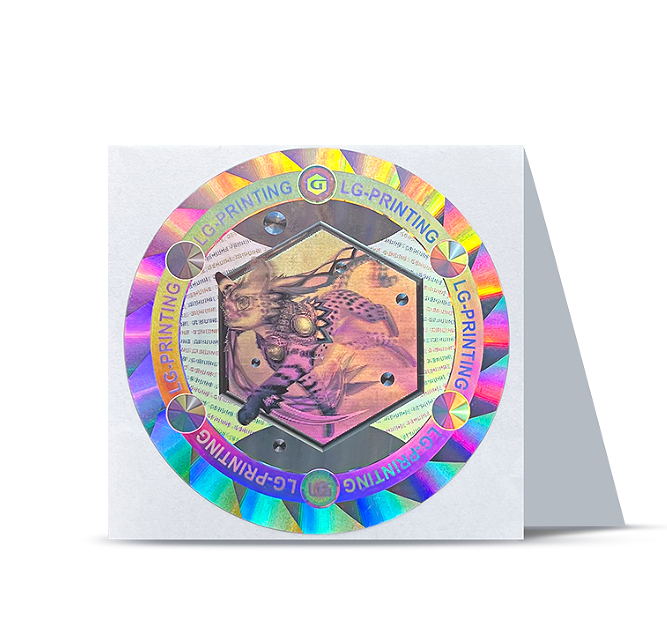
Each scan of a QR code instantly verifies product genuineness against a secure cloud database. The system records the timestamp and GPS coordinates of every scan. If a genuine code is scanned in an unexpected region or multiple times, an alert is sent to the brand owner. This real‑time feedback loop stops counterfeit distribution before it spreads. For example, a luxury watch brand detected fake products appearing in three new cities within 24 hours. The combination of 3D holograms and QR tracking creates two independent security layers. Even if a hologram is copied, the encrypted QR signature remains unbreakable. Consumer trust increases because buyers actively participate in protecting the brand. Manual inspection costs drop by 70% while counterfeit interception rates rise sharply.

Consumer Engagement After Authentication

Beyond verification, each QR scan opens a direct marketing channel. After confirming product genuineness, consumers are redirected to a customized landing page showing loyalty rewards, warranty registration, or usage tips. Each scan is linked to that specific unit’s lifecycle, allowing brands to track when a product is first opened. For high‑value items, “first scan” alerts can indicate potential leaks if a code is scanned before the expected sale date. Conversely, unsold genuine products can trigger follow‑up campaigns. This feature increases consumer engagement rates by 40–60% while collecting valuable usage data. Our QR labels are printed with durable materials, surviving cold chains and outdoor storage. Brands see higher repeat purchases and direct customer feedback.

Unit-Level and Batch-Level Traceability

QR code tracking operates at two granularities. Batch‑level tracking assigns the same code pattern to a production run, ideal for fast‑moving consumer goods. Unit‑level tracking gives each individual item a unique, non‑replicable code, perfect for pharmaceuticals, electronics, and luxury goods. Our proprietary algorithm generates codes with error correction and checksum features, ensuring zero duplication across billions of units. The system links each code to production data: date, line, operator, raw material batch, and quality test results. When a customer scans a product, they see not just “genuine” but also a summary of its manufacturing pedigree. For recalls, we identify exactly which units were distributed to which retailers within seconds. This reduces recall costs by up to 80% and satisfies regulatory requirements.

Related products

Barcode inventory tracking is a foundational methodology that utilizes scannable barcodes—in linear or two-dimensional formats—to automate data capture for inventory management. This system replaces manual counts and paper-based logs with real-time updates, significantly improving accuracy and operational efficiency. In a typical deployment, each inventory item receives a unique barcode that encodes identifying information such as part number, lot code, or location. Scanners at receiving docks, warehouse aisles, and shipping stations read these codes, instantly updating the central inventory database. For a regional distributor of automotive parts with 12,000 SKUs, migrating to barcode inventory tracking reduced cycle counting time from eight hours per week to under two hours, while achieving 99.7% inventory accuracy. The technology’s strength lies in its simplicity and reliability; barcodes can be printed on demand using various materials suitable for different environments—from standard paper labels for dry storage to chemical-resistant synthetics for manufacturing floors. Integration with warehouse management systems enables advanced functionalities like directed put-away, where the system suggests optimal storage locations based on item velocity and size, and pick-to-light or voice-directed picking, which further reduces error rates. Barcode inventory tracking also supports lot and expiration date management, critical for food, beverage, and pharmaceutical sectors. When a batch recall is necessary, the system can identify all affected items by scanning the lot-coded barcode on remaining stock and generating reports showing where those lots were distributed. For multi-location operations, cloud-connected barcode systems ensure that inventory levels are synchronized across warehouses, preventing overselling and enabling inventory balancing transfers. The data captured through barcode tracking feeds into demand forecasting algorithms, improving purchasing accuracy and reducing carrying costs. Modern implementations use handheld computers that combine barcode scanning with cellular or Wi-Fi connectivity, allowing inventory updates to be performed anywhere in the facility. For organizations considering an upgrade from manual processes, barcode inventory tracking offers a clear pathway to improved efficiency, providing a foundation for more advanced automation such as robotics integration. To explore how barcode inventory tracking can be tailored to your specific operational scale, inventory types, and integration requirements, please contact us for a personalized consultation.

Common problem

Is QR code tracking affordable for small brands?

Yes. Batch‑level tracking costs as low as $0.008 per code for 500,000 units. Unit‑level unique codes cost $0.02–0.05 per code. No long‑term contract is required. Volume discounts and custom quotes are available for any budget.
Yes. Each scan includes GPS and IP geolocation. A product meant for Europe scanned in Asia triggers a diversion alert. Combined with supply chain node data, we help identify unauthorized reselling and provide evidence for legal action.
Our QR labels use industrial adhesives and UV‑resistant inks. Options include polyester, polycarbonate, or metal‑faced materials resistant to -40°C to +150°C, chemicals, and abrasion. Laser‑etched QR codes on metal are also available.

Related article

How to Select High-Quality Security Labels?

25

Mar

How to Select High-Quality Security Labels?

Understand Core Tamper-Evident Mechanisms in Security LabelsDestructible Materials and Void Film Activation PrinciplesSecurity labels that work well have built-in ways to show if someone has tampered with them. Materials like special vinyl or paper b...
View More
What Hologram Sticker Fits Brand Anti-Counterfeiting?

25

Mar

What Hologram Sticker Fits Brand Anti-Counterfeiting?

How Hologram Sticker Types Differ in Security Level and Authentication Clarity Overt Hologram Sticker Features: 2D/3D, Dot-Matrix, and Kinetic Effects for Instant Visual Verification Hologram stickers that are clearly visible offer quick authenticat...
View More
Why Choose Professional Security Printing Services?

25

Mar

Why Choose Professional Security Printing Services?

Core Security Printing Technologies and Human-Verifiable Features Tactile, Visual, and Motion-Based Authentication Elements Security printing incorporates features people can check themselves without needing fancy equipment. The touch aspect works w...
View More
How to Build a Practical Track and Trace System?

25

Mar

How to Build a Practical Track and Trace System?

Clarify Business Objectives and Regulatory Requirements Aligning track and trace system goals with KPIs (e.g., recall time reduction, OEE improvement) and compliance mandates (DSCSA, EU FMD, ISO 13485) Setting up a track and trace system means match...
View More

Customer Reviews

Amanda Pierce
Boosted consumer engagement by 55%

We added QR tracking to vitamin bottles. After scanning for authenticity, customers see dosage reminders, reorder discounts, and a loyalty program. 55% of buyers scanned within 48 hours – far above the 15% industry average. Data showed 78% of scans came from smartphones. NPS score increased 22 points. The QR design is sleek and doesn’t ruin packaging.

Michael T. Brown
Great for vaccine cold chain monitoring

We used QR tracking on vaccine vials with a thermochromic indicator – heat exposure changes the code color and makes it unscannable. The system also records temperature logger data. A rural clinic batch with broken cold chain was traced to a faulty transit refrigerator. This saved thousands of doses from being ineffective. Meets WHO track‑and‑trace standards.

Get a Free Quote & Samples

Our representative will contact you soon.
Email
Mobile/WhatsApp
Name
Company Name
Message
0/1000
Offline Verification & Tamper-Evident Design

Offline Verification & Tamper-Evident Design

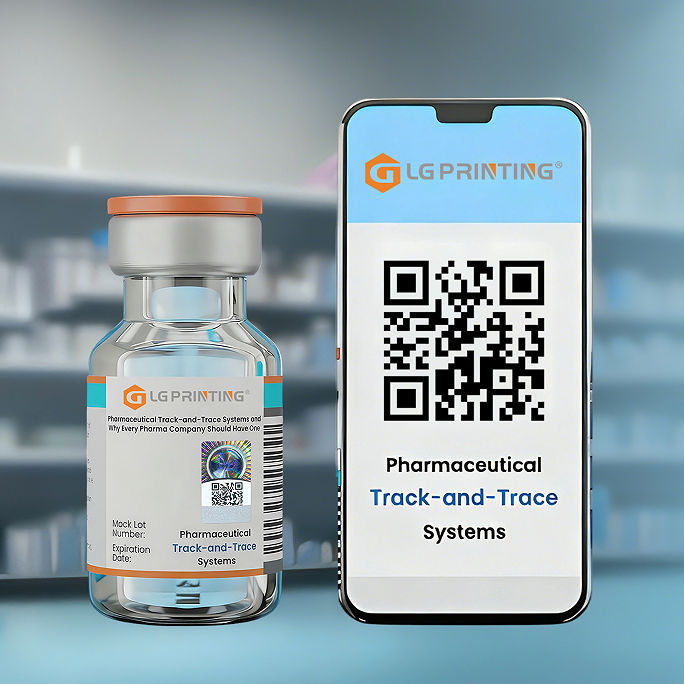
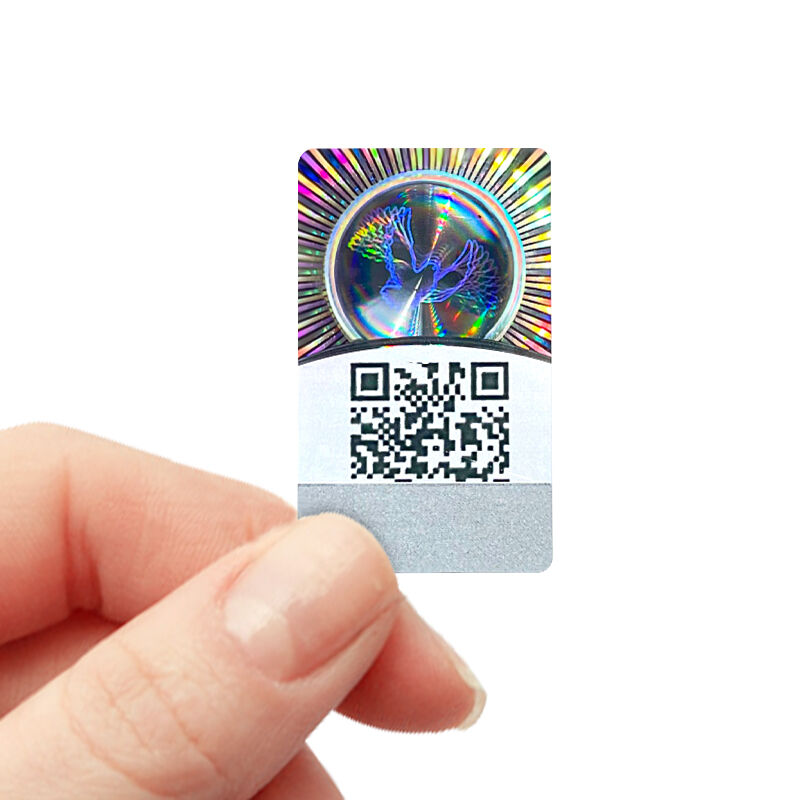
Many QR solutions fail without internet. Our QR codes embed a cryptographic hash that can be partially validated offline using a proprietary mobile app. Even without network, the app checks the code’s structure and visual signature, flagging obvious counterfeits. Once online, full server verification completes. Additionally, each QR label incorporates tamper‑evident materials: peeling attempts leave a visible “VOID” pattern, preventing code reuse. A scratch‑off layer allows one‑time use for sensitive applications like vaccine vials. For high‑risk markets, we offer dual verification where the QR is partially hidden under a holographic foil. Removing the foil to scan destroys the hologram. These physical‑digital synergies make our solution extremely difficult to bypass, even for sophisticated counterfeiters.
Scalable Analytics and Counterfeit Mapping

Scalable Analytics and Counterfeit Mapping

The aggregated data from QR code tracking delivers powerful intelligence. Our cloud‑based analytics engine processes millions of scans to generate actionable insights: geographic heatmaps of counterfeit attempts, time‑series anomaly detection, and consumer sentiment analysis. For example, if multiple users report “taste differs” after scanning a food product, the brand receives an early warning. Automated reports for customs highlight high‑risk shipment routes. A global beverage client identified 12 unauthorized bottling plants within three months, leading to seizures of 2 million fake labels. Dashboards are tailored for CEOs, supply chain managers, and field investigators. QR code tracking becomes not just a tool but a strategic weapon against counterfeiting, providing measurable ROI through reduced losses and faster enforcement actions.

Get a Free Quote & Samples

Our representative will contact you soon.
Email
Mobile/WhatsApp
Name
Company Name
Message
0/1000